
Ant infestations are one of the most frustrating household pest problems. Many people try sprays, powders, or home remedies, only to see ants return again and again. The reason is simple: most methods kill only the ants you can see, not the colony hiding behind walls, under floors, or outside the house.
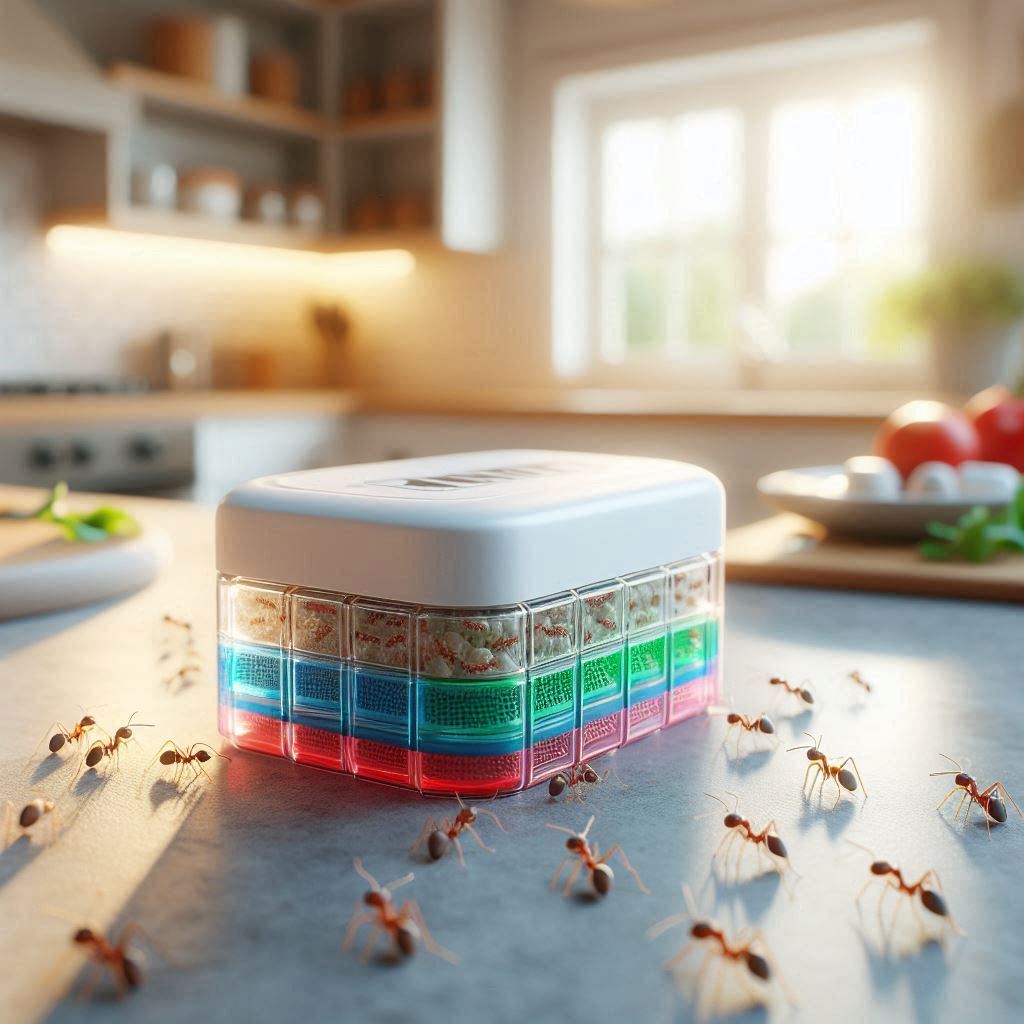
This is where ant killer bait stands out. When used correctly, ant bait is one of the most effective ways to eliminate ants permanently. This article explains how ant killer bait works, why it is more effective than sprays, new ant-related issues in modern homes, and how to use bait properly for long-lasting results.
Why Ant Killer Bait Is More Effective Than Other Methods
Ants live in colonies that can contain thousands of ants and one or more queens. The visible ants in your kitchen or living room are only a small part of the problem.
The Main Problem with Sprays
- Kill ants instantly, but only on contact
- Do not reach the nest
- Ants return within days
- Can scatter ants and make the problem worse
Why Bait Works Better
Ant killer bait uses ants’ natural behavior against them.
- Ants carry bait back to the nest
- Poison spreads throughout the colony
- Queen is killed
- Entire colony collapses
This is why professionals rely heavily on bait-based ant control.
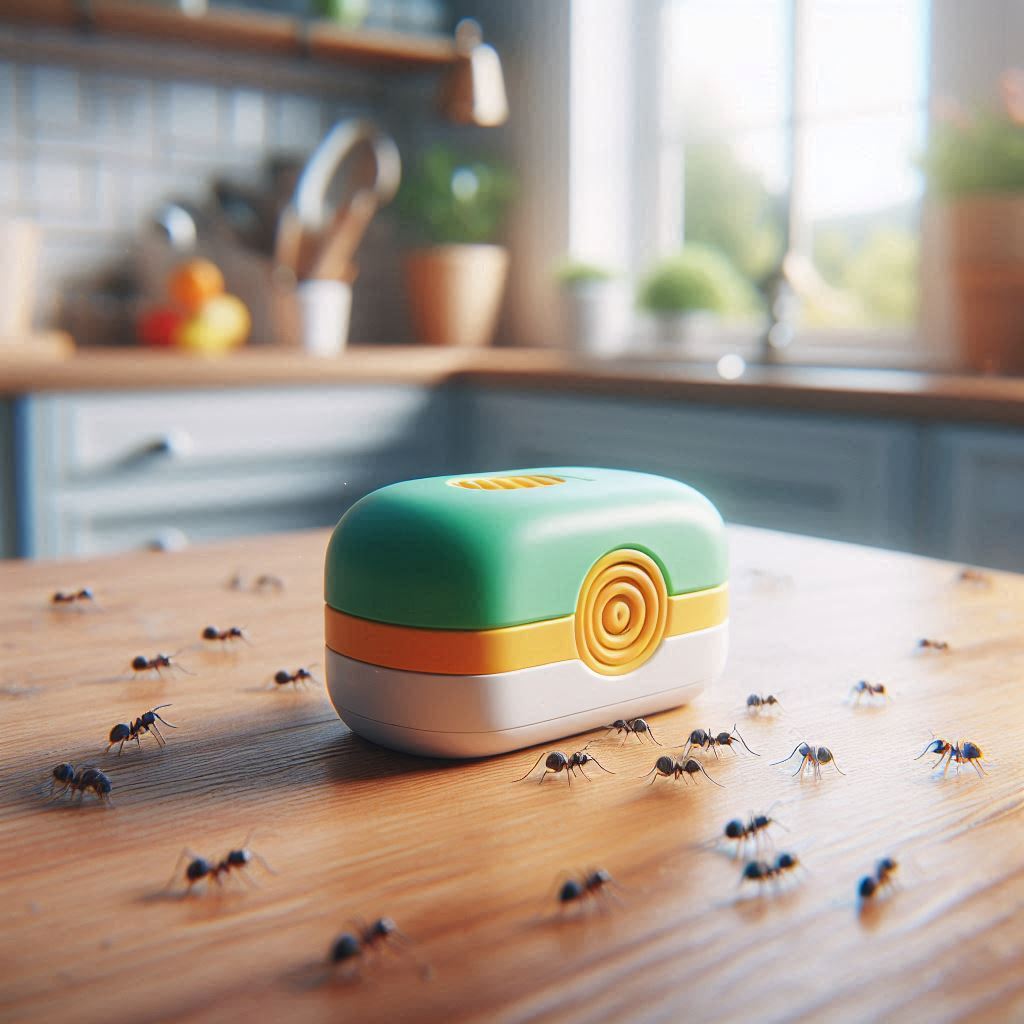
How Ant Killer Bait Works
Ant bait is designed to be slow-acting. This is very important.
- Worker ants eat the bait
- They carry it back to the colony
- Other ants and the queen consume it
- The colony gradually dies
If bait killed ants instantly, they would never reach the nest. Slower action is what makes bait effective.
Types of Ant Killer Baits
Different ant species prefer different food sources. Using the right bait increases success.
1. Sweet Ant Baits
- Best for sugar ants and house ants
- Contain sugar-based attractants
- Ideal for kitchens and living areas
2. Protein or Grease-Based Baits
- Best for carpenter ants and larger species
- Often placed near walls or outdoors
3. Gel Ant Baits (Most Effective Indoors)
Gel baits are considered the best indoor ant killer bait.
Why gel baits work so well:
- Easy to place in small spaces
- Strong attraction
- Long-lasting
- Minimal odor
They are especially effective in kitchens, cabinets, and wall cracks.
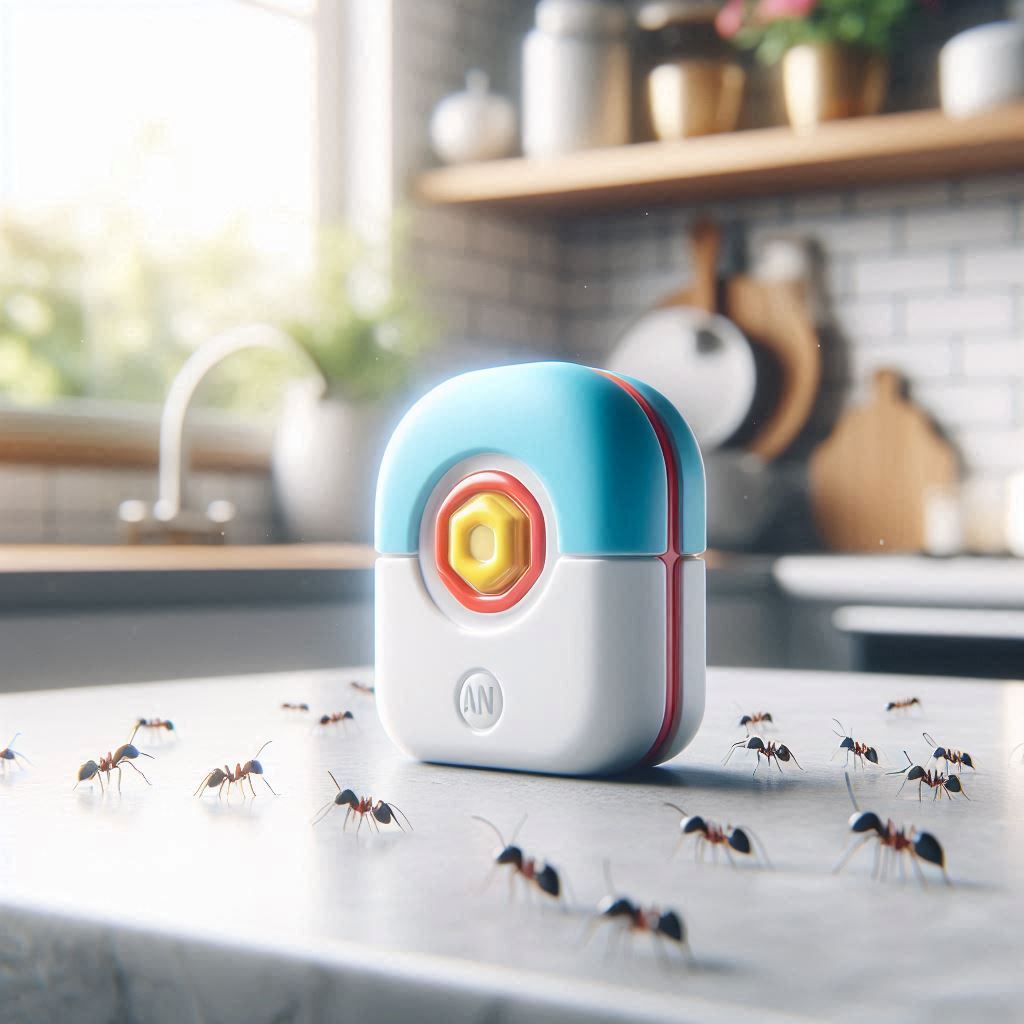
New Ant Problems That Make Bait Even More Important
Ants Avoiding Sprayed Areas
Many ants have adapted to avoid sprayed surfaces, making sprays unreliable.
Multiple Ant Species in One Home
Modern homes often have more than one ant species. Rotating or combining bait types improves results.
Ants Nesting Inside Walls
Ants increasingly build nests inside walls and cabinets. Bait works because ants carry poison into hidden spaces.
Ants Attracted to Electronics
Ants are now commonly found in laptops, routers, and switches. Sprays are risky here, but bait placed nearby is effective and safe.
Where to Place Ant Killer Bait for Best Results
Correct placement is just as important as choosing the right bait.
Best Locations
- Along ant trails
- Near entry points
- Inside cabinet corners
- Under sinks
- Near wall cracks
Where NOT to Place Bait
- Directly on food surfaces
- Near strong cleaners
- In areas sprayed with insecticide
Ants must feel safe to approach and collect the bait.
Step-by-Step Guide to Using Ant Killer Bait Effectively
Step 1: Observe Ant Behavior
Watch where ants are traveling and entering your home.
Step 2: Choose the Right Bait
If ants are attracted to sweets, use sugar-based bait. If they ignore sweets, try protein-based bait.
Step 3: Apply Small Amounts
Small drops work better than large piles.
Step 4: Be Patient
You may see more ants at first. This is a good sign.
Step 5: Do Not Kill Bait-Feeding Ants
Let them return to the nest.
Step 6: Monitor for 7–10 Days
Most infestations reduce significantly within a week.
How Long Does Ant Killer Bait Take to Work?
| Timeframe | What Happens |
|---|---|
| 1–2 days | Increased ant activity |
| 3–5 days | Fewer ants visible |
| 7–10 days | Colony collapse |
| 14 days | Ant-free area |
Results vary depending on colony size and species.
Common Mistakes That Reduce Bait Effectiveness
- Using spray near bait
- Cleaning ant trails too early
- Moving bait locations daily
- Using too much bait
- Expecting instant results
Consistency is key.
Safety of Ant Killer Bait
Modern ant baits are designed to be low-risk for humans and pets when used correctly.
Safety Tips
- Place bait out of reach of children
- Use bait stations if pets are present
- Wash hands after handling bait
- Never mix bait with other chemicals
Bait is safer than repeated spraying when used responsibly.
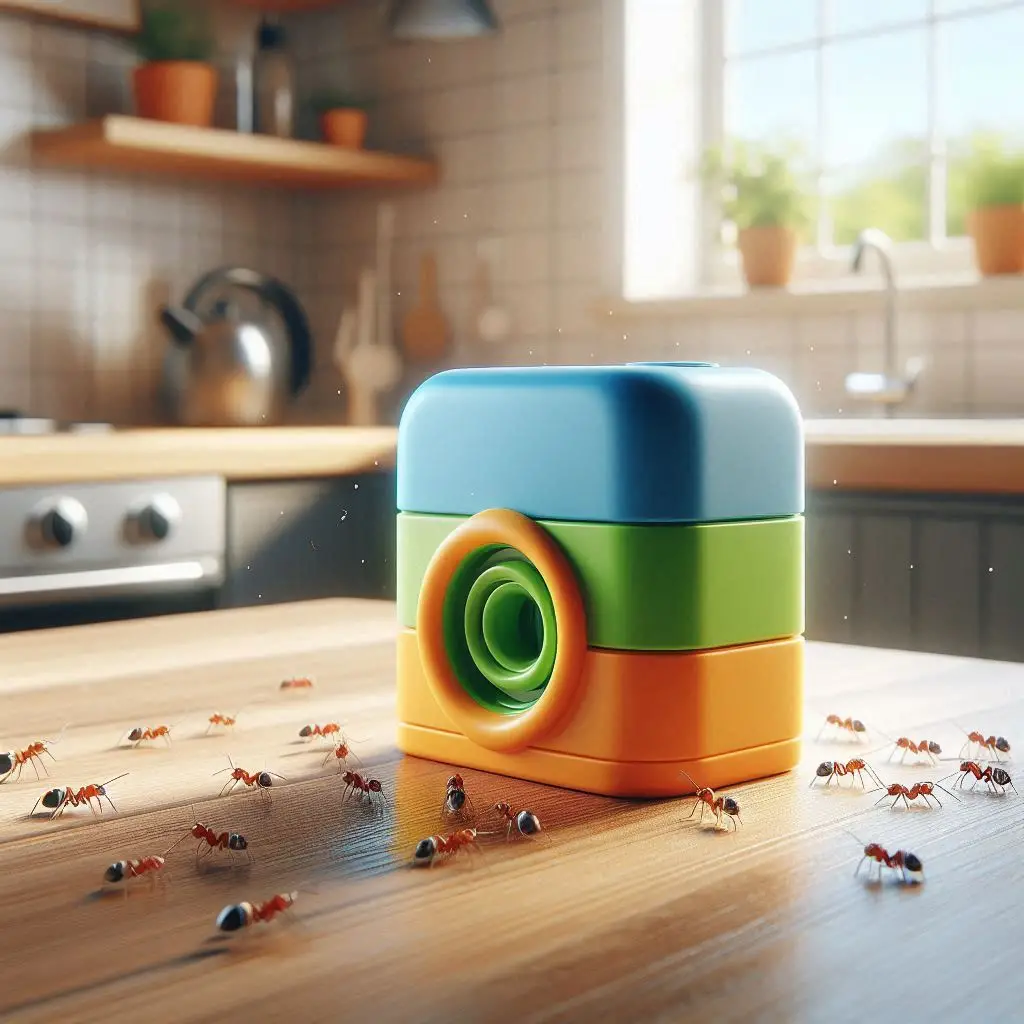
Ant Killer Bait vs Other Ant Control Methods
| Method | Kills Nest | Long-Term Control |
|---|---|---|
| Ant Bait | Yes | Excellent |
| Spray | No | Poor |
| Powder | Partial | Moderate |
| Natural Remedies | Limited | Low |
Ant bait clearly offers the best long-term results.
Preventing Ants After Bait Treatment
Once ants are gone, prevention keeps them from returning.
- Seal cracks and gaps
- Fix water leaks
- Store food in airtight containers
- Clean floors and counters regularly
- Take trash out daily
When Ant Killer Bait Is Not Enough
If:
- Ants keep returning after proper bait use
- Infestation is very large
- Ants are nesting outdoors and reinvading
Professional pest control may be required, but bait is still the foundation of treatment.
Yes. Ant killer bait is one of the most effective ant control methods available. It targets the root of the problem—the colony—and provides long-term results when used correctly. While it requires patience, the outcome is far better than quick but temporary solutions like sprays.
For homeowners looking for a reliable, low-effort, and proven solution, ant killer bait remains the best choice.