
Babies explore the world in very different ways than adults. They crawl on floors, touch every surface, and often put their hands in their mouths. Because of this, insect control in homes with babies needs extra care. Many traditional insect killers contain chemicals that may work fast but can be harmful for infants. This has made parents increasingly interested in baby‑safe insect killers that control pests without putting their child’s health at risk.
This article explains what a baby‑safe insect killer really is, why chemical products can be dangerous for infants, and which safer alternatives actually work. It also covers common problems parents face and simple solutions that make insect control both effective and safe.
Why Regular Insect Killers Are Unsafe for Babies
Most standard insect sprays and coils are designed to kill insects quickly using strong chemicals. While adults may tolerate short exposure, babies are far more sensitive.
Some common risks include:
- Breathing problems caused by fumes
- Skin irritation from crawling on treated floors
- Ingestion of chemical residue from hands or toys
- Long‑term exposure risks in closed indoor spaces
Babies also spend more time close to the ground, where insect killers are usually applied. This increases their exposure compared to adults.
What Makes an Insect Killer Baby‑Safe
A baby‑safe insect killer focuses on minimizing exposure while still reducing insects effectively. These products avoid toxic chemicals and instead rely on natural, physical, or low‑risk methods.
Key features of baby‑safe insect killers include:
- Non‑toxic or very low toxicity ingredients
- No harsh fumes or smoke
- Minimal residue after use
- Suitable for indoor environments
- Clear safety instructions for homes with infants
Baby‑safe does not mean insect‑free overnight. These solutions work gradually and safely over time.
Common Insects That Affect Babies Indoors
Even clean homes can face insect problems. The most common insects that bother babies include:
Mosquitoes
Mosquito bites cause itching, irritation, and disturbed sleep. In some regions, mosquitoes also carry diseases.
Ants
Ants often enter homes looking for food and can crawl near baby feeding areas.
Flies
Flies carry germs and land on baby items, posing hygiene concerns.
Cockroaches
Cockroaches hide in kitchens and bathrooms and may trigger allergies in young children.
Types of Baby‑Safe Insect Killers
1. Natural Insect Repellent Sprays
These sprays are made from mild plant‑based ingredients such as citronella, neem, or eucalyptus.
How they work: They repel insects rather than poisoning them.
Best for: Mosquitoes, flies, ants
Safety tip: Always spray on surfaces, not directly on baby skin, unless the product is clearly labeled for skin use.
2. Electric Insect Killer Lamps (Low‑Exposure Use)
Modern insect killer lamps attract insects using light and eliminate them without sprays or fumes.
Best for: Mosquitoes and flies
Why they are baby‑safe: No chemical release when placed away from baby reach.
3. Mosquito Nets and Physical Barriers
Physical protection is one of the safest methods for babies.
Examples include:
- Bed nets
- Window screens
- Door mesh curtains
These methods prevent insects without any chemical exposure.
4. Food‑Grade Diatomaceous Earth (Careful Use)
This natural powder controls crawling insects through physical action.
Best for: Ants and cockroaches
Safety note: Apply only in cracks and hidden areas, never in open baby spaces.
5. Hygiene and Prevention
Clean surroundings reduce insect attraction significantly.
Important habits include:
- Cleaning food spills immediately
- Covering baby food properly
- Regular trash disposal
- Keeping moisture under control
New Issues Parents Face Today (And Their Solutions)
Issue 1: Fear of Chemical Exposure at Night
Solution: Use mosquito nets or electric lamps instead of sprays in sleeping areas.
Issue 2: Strong Smells Triggering Baby Discomfort
Solution: Choose odor‑free or very mild natural products designed for infants.
Issue 3: Insects Returning Quickly
Solution: Combine baby‑safe insect killers with prevention methods. Consistency matters.
Issue 4: Confusion Between “Natural” and “Safe”
Solution: Always read labels. Not all natural ingredients are safe for babies in high concentrations.
How to Use Baby‑Safe Insect Killers Correctly
To ensure safety:
- Apply products when the baby is not in the room
- Allow surfaces to dry completely
- Keep devices and traps out of reach
- Ventilate rooms after use
- Avoid mixing multiple insect products
Simple usage habits reduce risks significantly.
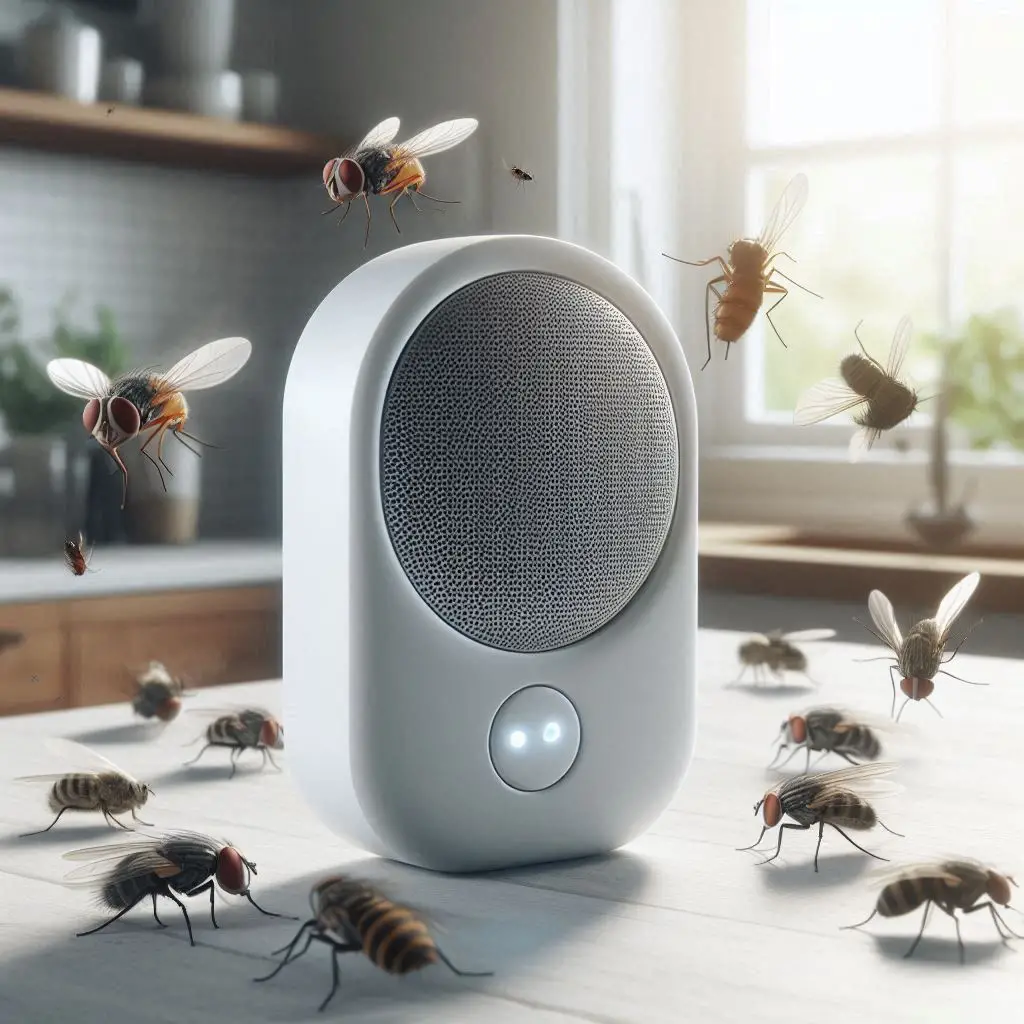
Are Baby‑Safe Insect Killers Effective
Yes, when used correctly. These products focus on prevention and gradual control rather than instant elimination. Over time, they reduce insect activity while keeping your baby safe.
Parents often find that combining physical barriers with mild repellents offers the best results.
Choosing the Right Baby‑Safe Insect Killer
Before selecting a product, consider:
- Baby’s age
- Type of insect problem
- Indoor room size
- Ventilation quality
- Product safety certifications
Choosing carefully helps maintain a safe and comfortable environment.
A baby‑safe insect killer is not about using stronger products—it is about using smarter ones. By choosing non‑toxic sprays, electric devices, physical barriers, and good hygiene practices, parents can control insects without risking their child’s health.
Babies need a clean, calm, and safe environment. With the right insect control approach, you can protect your home while giving your baby the comfort and safety they deserve.