
Ants inside the house are more than just a small inconvenience. Once they find food or water, they create trails, invite more ants, and quickly turn into a serious indoor pest problem. Kitchens, bathrooms, bedrooms, and even living rooms can become targets. Choosing the best ant killer for indoor use is important not only for effectiveness but also for safety, smell, and long-term control.
This guide explains what actually works indoors, common mistakes people make, new ant-related issues in homes, and how to solve the problem step by step using safe and effective methods.
Why Indoor Ant Problems Are Increasing
Indoor ant infestations are becoming more common due to several modern lifestyle factors:
- Open kitchens and shared living spaces
- Constant food availability
- Poor sealing in apartments and houses
- Climate changes causing ants to move indoors
- Increased resistance of ants to weak sprays
Many people rely on random sprays or home remedies, but these often kill only visible ants and fail to destroy the nest, which is the real source of the problem.
What Makes the Best Ant Killer for Indoor Use?
An effective indoor ant killer should meet these conditions:
- Kills ants at the source, not just on contact
- Safe for indoor air, children, and pets
- Low or no odor
- Long-lasting effect
- Works on hidden nests and colonies
This is why professional pest control focuses more on baits and targeted treatments rather than strong-smelling sprays.
Types of Indoor Ant Killers (What Works Best)
1. Ant Gel Baits (Most Effective Indoor Solution)
Ant gel baits are considered the best indoor ant killers. They work slowly but intelligently.
How they work:
- Ants carry the gel back to the nest
- The poison spreads through the colony
- The queen is eliminated
- The entire colony collapses in days
Best for:
- Kitchens
- Cabinets
- Wall cracks
- Bedrooms
- Apartments
Advantages:
- No strong smell
- Minimal chemical exposure
- Long-term control
Common mistake:
People stop using gel after seeing fewer ants in one day. The gel must stay in place for several days to destroy the nest completely.
2. Ant Killer Sprays (Quick but Temporary)
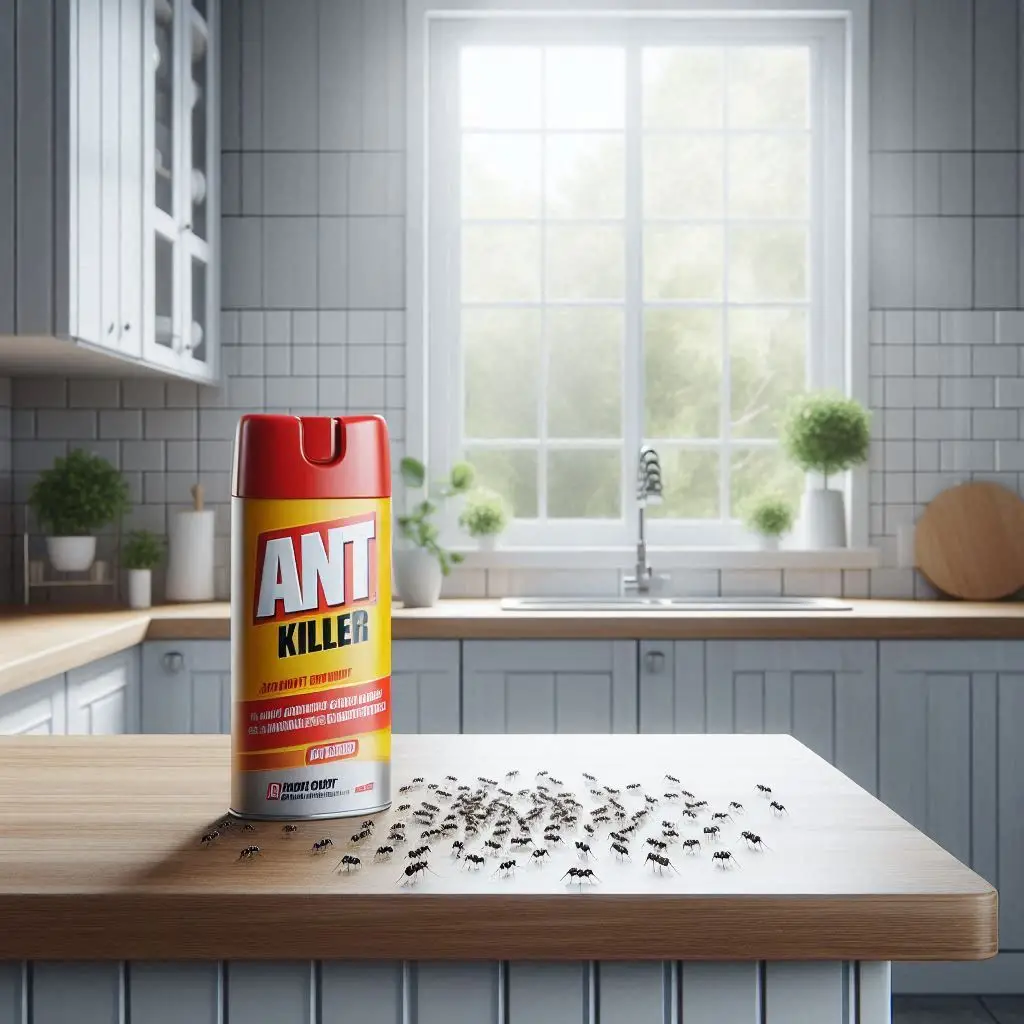
Sprays kill ants instantly on contact, but they do not solve the root cause.
Best use:
- Emergency situations
- Visible ants on counters or floors
Problems:
- Ants return within days
- Strong chemical smell
- Unsafe if overused indoors
Sprays should only be used as a support tool, not the main solution.
3. Ant Traps (Good for Maintenance)
Ant traps combine bait with a closed design.
Pros:
- Child- and pet-safe
- No mess
- Easy placement
Cons:
- Slower results
- Limited coverage
Traps work best after the main infestation is controlled.
4. Natural and Chemical-Free Ant Killers
Some homeowners prefer chemical-free solutions.
Common options include:
- Borax-based baits
- Baking soda + sugar
- Vinegar for trails (not killing nests)
- Diatomaceous earth (food-grade)
Important:
Natural solutions work best for light infestations. Severe indoor ant problems usually require professional-grade baits.
New Indoor Ant Issues in Modern Homes
Ants Avoiding Sprays
Many ants have adapted to avoid sprayed areas, making sprays less effective than before.
Multiple Ant Species Indoors
Different ants (sugar ants, carpenter ants, pharaoh ants) require different bait formulas.
Ants Inside Electronics
Ants are now commonly found inside:
- Laptops
- Routers
- Switchboards
Gel baits placed near entry points solve this better than sprays.
Step-by-Step: How to Kill Ants Indoors Effectively
Step 1: Identify Ant Trails
Follow the ants to see where they are entering from:
- Wall cracks
- Window edges
- Sink pipes
- Electrical sockets
Step 2: Do NOT Clean Trails Immediately
Cleaning ant trails too early removes pheromones that help baits work.
Step 3: Apply Ant Gel Bait
Place small drops:
- Along trails
- Near cracks
- Inside cabinets (corners only)
Step 4: Avoid Spraying Near Baits
Sprays scare ants away and stop them from carrying bait to the nest.
Step 5: Wait 3–7 Days
You may see more ants initially. This is normal and a good sign.
Step 6: Seal Entry Points
After ants disappear:
- Seal cracks
- Fix leaks
- Store food properly
Indoor Safety Tips (Very Important)
- Keep baits out of children’s reach
- Use closed traps in baby rooms
- Avoid mixing chemicals
- Ventilate rooms if sprays are used
- Wash hands after handling products
Modern ant baits are designed for targeted toxicity, meaning they affect ants, not humans.
How Long Does an Indoor Ant Killer Take to Work?
| Product Type | Results Time | Nest Control |
|---|---|---|
| Gel Bait | 2–7 days | Yes |
| Spray | Immediate | No |
| Traps | 5–10 days | ⚠Partial |
| Natural Methods | 7–14 days | Limited |
Common Mistakes That Make Ant Problems Worse
- Killing ants randomly with sprays
- Cleaning trails too soon
- Using multiple products together
- Changing products every day
- Ignoring hidden nests
Consistency is the key to success.
Best Ant Killer Indoor
For most homes, the best ant killer for indoor use is a high-quality ant gel bait, supported by good hygiene and sealing entry points. Sprays and natural solutions can help temporarily, but only bait-based solutions eliminate the colony permanently.
If ants keep returning despite proper treatment, professional-grade bait or pest control inspection may be required.