
Flying insects such as mosquitoes, flies, moths, and gnats are not just annoying—they can also spread germs and disturb daily life. In homes, restaurants, offices, and shops, people increasingly rely on electric insect killers because they work continuously, require little effort, and avoid heavy chemical use.
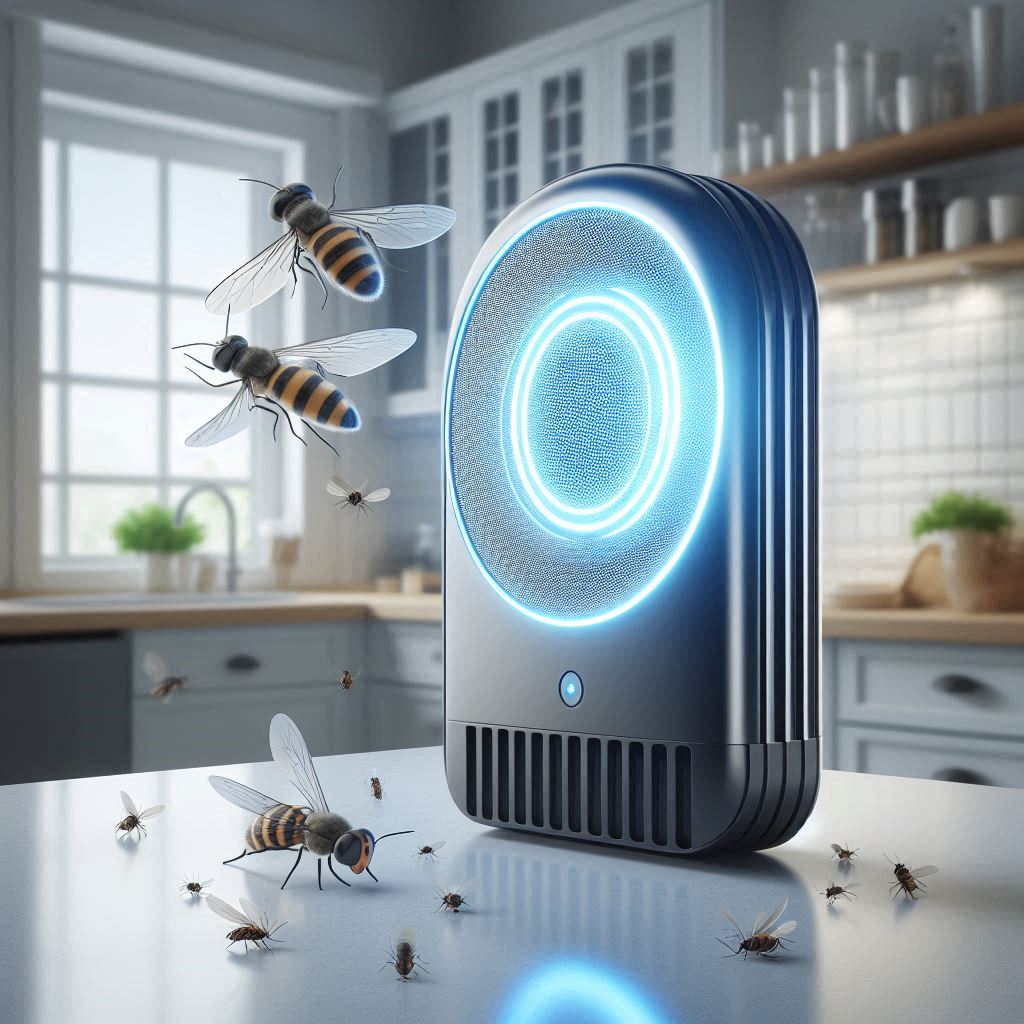
This guide explains how electric insect killers work, which types are best, common mistakes, new insect-control issues in modern spaces, and how to choose the best electric insect killer for your needs.
What Is an Electric Insect Killer?
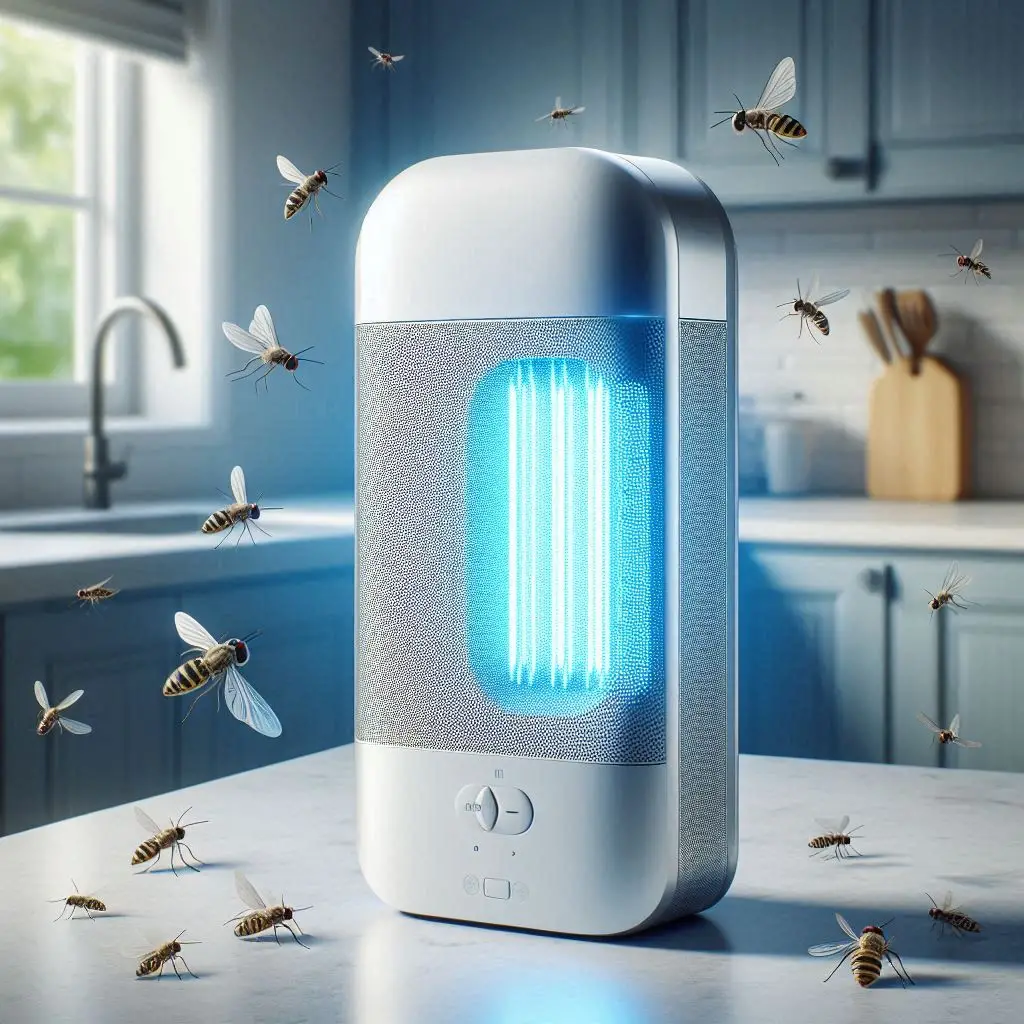
An electric insect killer (also called an insect zapper or electric fly killer) is a device that attracts insects using light or heat and kills them using an electric grid or trap mechanism.
Unlike sprays or coils, electric insect killers:
- Work continuously
- Do not rely on strong smells
- Reduce insect populations over time
- Are suitable for indoor and controlled outdoor use
Why Electric Insect Killers Are So Popular Today
Modern living has created new insect problems:
- Bright indoor lighting attracts flying insects
- Open kitchens and balconies increase entry
- Climate changes extend mosquito seasons
- People prefer chemical-free solutions
Electric insect killers provide a cleaner, low-maintenance alternative to traditional insect control methods.
How Electric Insect Killers Work
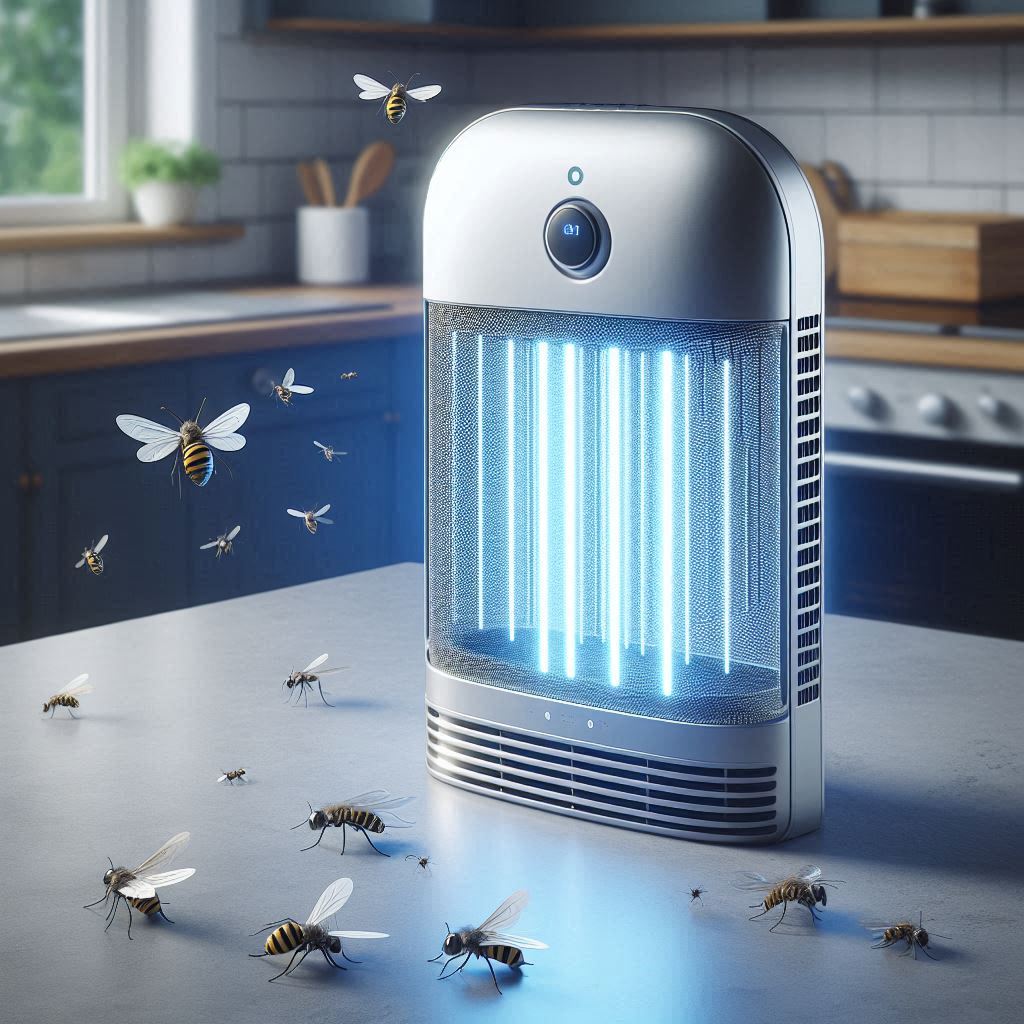
Most electric insect killers operate in three simple steps:
- Attraction – UV or LED light attracts insects
- Capture – Insects move toward the device
- Elimination – Electric grid or trap kills insects
Some modern models use fan-based suction instead of zapping, making them quieter and safer.
Types of Electric Insect Killers
1. UV Electric Zapper (Most Common)
This type uses ultraviolet light to attract insects and kills them on contact with an electric grid.
Best for:
- Flies
- Mosquitoes
- Moths
Advantages:
- Strong killing power
- Covers larger areas
- Affordable
Limitations:
- Zapping sound
- Dead insects fall into tray
2. Fan-Based Electric Insect Traps
Instead of zapping, these devices use a fan to pull insects into a trap.
Best for:
- Bedrooms
- Baby rooms
- Silent environments
Advantages:
- Quiet
- No sparks
- Child-safe
Limitations:
- Smaller coverage area
3. Glue Board Electric Insect Killers
These use UV light to attract insects and trap them on glue boards.
Best for:
- Restaurants
- Food preparation areas
Advantages:
- No flying debris
- Hygienic
- Food-safe
What Makes the Best Electric Insect Killer?
To choose the best electric insect killer, consider the following features:
Coverage Area
Match the device to the room size. Larger rooms need higher wattage.
Safety
Look for:
- Protective outer grills
- Shock-proof design
- Child and pet safety
Noise Level
Fan-based models are quieter than zapper types.
Maintenance
Easy-to-clean trays and replaceable bulbs improve long-term use.
Energy Efficiency
Modern LED-based models consume less electricity.
New Issues with Electric Insect Killers (And Their Solutions)
Issue 1: Mosquitoes Avoiding UV Light
Some mosquito species are less attracted to UV light.
Solution:
Choose models that combine UV + CO₂ simulation or heat.
Issue 2: Ineffective Placement
Many people place insect killers too close to humans.
Solution:
Place devices away from people and closer to entry points.
Issue 3: Noise Complaints
Zapping sound can disturb sleep.
Solution:
Use fan-based or glue-board models for bedrooms.
Issue 4: Poor Results Outdoors
Electric insect killers lose effectiveness in open spaces.
Solution:
Use them only in covered or semi-closed areas.
Best Places to Use Electric Insect Killers
- Living rooms
- Kitchens (away from food prep)
- Bedrooms (fan-based models)
- Restaurants
- Offices
- Shops
Avoid placing them near windows or bright lights, as competing light reduces effectiveness.
Step-by-Step Guide to Using Electric Insect Killers Correctly
- Place device 4–6 feet above ground
- Keep it away from other light sources
- Turn on during evening hours
- Clean trays regularly
- Replace UV bulbs yearly
Correct use significantly improves results.
Electric Insect Killer vs Chemical Methods
| Feature | Electric Killer | Spray/Coils |
|---|---|---|
| Chemical Exposure | None | High |
| Continuous Protection | Yes | No |
| Smell | No | Yes |
| Maintenance | Low | High |
| Long-Term Control | Good | Limited |
Safety Tips
- Keep out of reach of children
- Do not touch electric grid
- Turn off before cleaning
- Use indoor-rated models indoors
How Long Does It Take to See Results?
Electric insect killers show:
- Immediate reduction in flying insects
- Significant control within 3–7 days
- Best results with continuous use
Preventing Insects Alongside Electric Killers
- Use window screens
- Seal gaps and cracks
- Reduce standing water
- Turn off unnecessary lights
Electric insect killers work best as part of a complete insect control strategy.
The best electric insect killer offers a reliable, chemical-free way to control flying insects indoors. Whether you choose a zapper, fan-based trap, or glue board system, correct placement and regular maintenance are key.
For homes, offices, and food businesses looking for a clean and effective solution, electric insect killers remain one of the smartest choices available today.