

Insects are not just annoying; they can affect health, comfort, and daily life. Mosquitoes disturb sleep, flies contaminate food, ants invade kitchens, and cockroaches hide in damp corners. Many people assume that effective insect control requires expensive devices or professional pest services. In reality, there are several high-quality insect killers available under $50 that deliver reliable performance for homes, apartments, offices, and small outdoor areas.
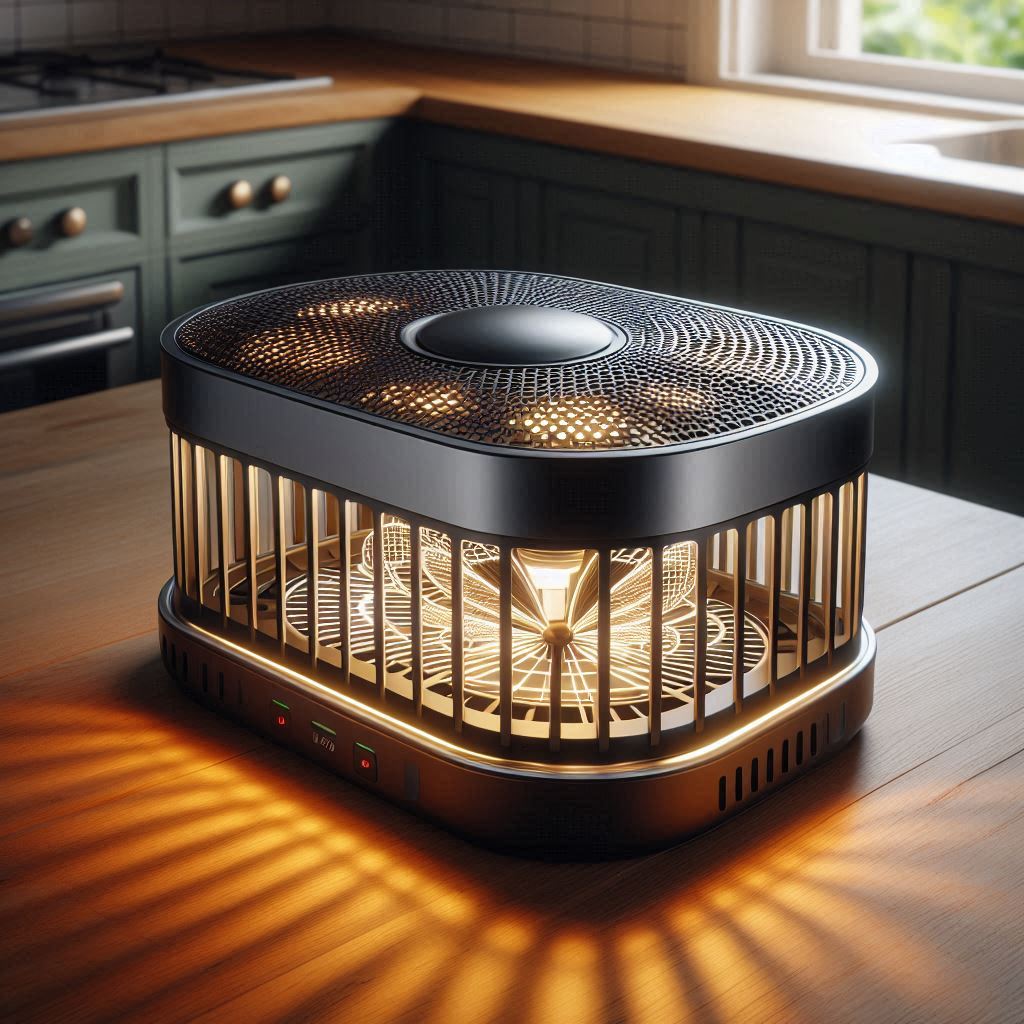
This article explains what makes an insect killer effective in a low budget, common problems buyers face, and how to choose the best insect killer under $50 without compromising safety or results.
Why Budget-Friendly Insect Killers Matter
Not everyone wants to spend hundreds of dollars on pest control devices or recurring chemical sprays. Affordable insect killers are popular because they:
- Fit within household budgets
- Require little or no maintenance
- Offer chemical-free and safe solutions
- Are easy to replace or upgrade
- Work well for common indoor insect problems
Under $50, you can find devices that are efficient, durable, and suitable for daily use.
Common Insects These Devices Can Handle
Most insect killers under $50 are designed to control common household pests such as:
- Mosquitoes – especially indoors and on balconies
- Flies and gnats – kitchens, dining areas, trash zones
- Ants – food storage and countertops
- Cockroaches – bathrooms, drains, hidden corners
- Moths and small bugs – wardrobes and storage rooms
While budget devices may not eliminate large infestations, they are excellent for prevention and daily control.
Types of Insect Killers Available Under $50
1. Electric Bug Zappers
These devices attract insects using UV or LED light and eliminate them through an electric grid.
Best for:
- Mosquitoes and flies
- Indoor rooms and covered outdoor spaces
Pros:
- Chemical-free
- Low maintenance
- Long lifespan
Cons:
- Zapping noise may bother some users
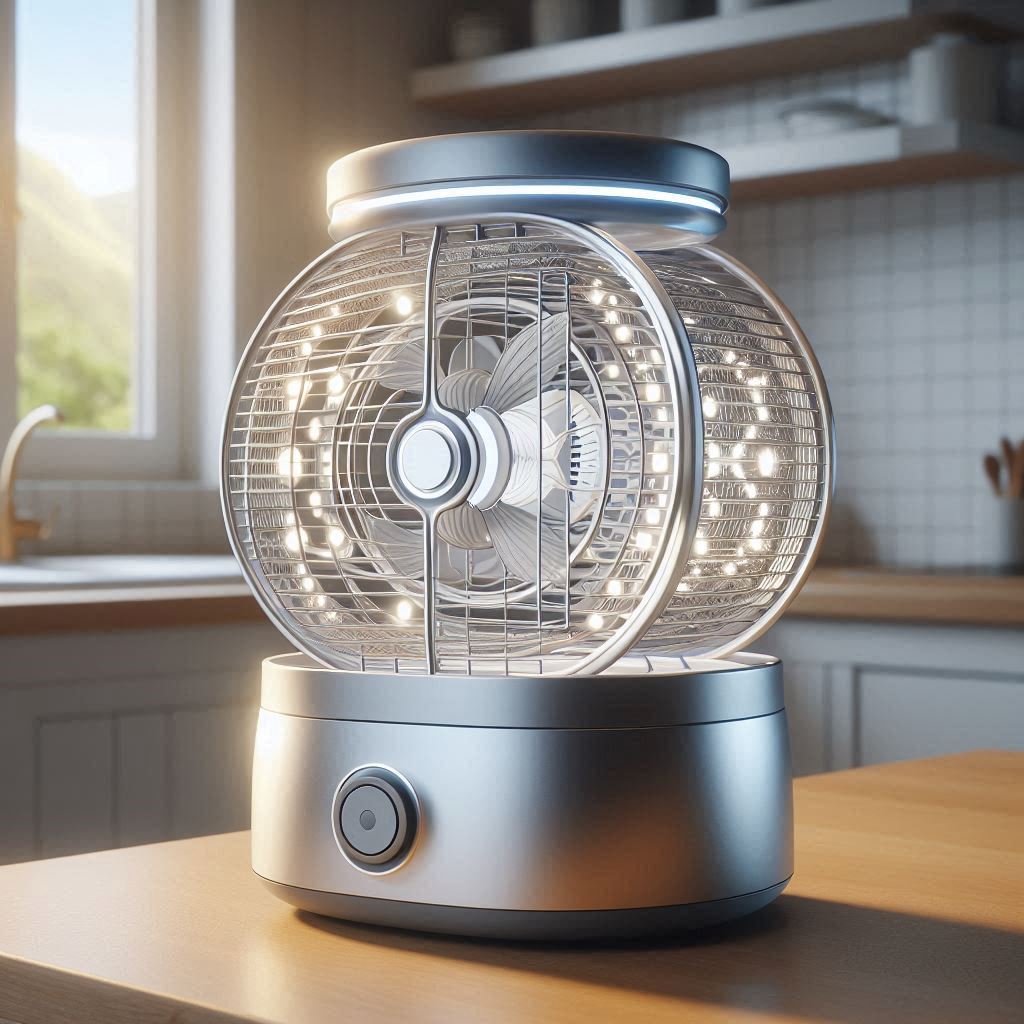
2. Fan-Based Insect Traps
Instead of zapping, these devices use airflow to pull insects into a trap chamber.
Best for:
- Bedrooms and apartments
- Quiet indoor use
Pros:
- Silent operation
- Safe for kids and pets
- No sparks or smell
Cons:
- Works slower than electric zappers
3. Sticky Traps and Glue Boards
These are simple, low-cost solutions for crawling insects.
Best for:
- Ants, cockroaches, spiders
Pros:
- Extremely affordable
- No electricity required
- Non-toxic
Cons:
- Need frequent replacement
4. Rechargeable or USB Insect Killers
Compact devices powered by batteries or USB cables.
Best for:
- Apartments, travel, offices
Pros:
- Portable
- Energy-efficient
- Easy placement
Cons:
- Smaller coverage area
5. Natural and Chemical-Free Repellents
Includes essential oil diffusers, natural sprays, and ultrasonic devices.
Best for:
- People sensitive to chemicals
Pros:
- Safe and eco-friendly
- Pleasant smell (in some cases)
Cons:
- Repels insects rather than killing them
Common Problems With Cheap Insect Killers (And Solutions)
Issue 1: “It Stops Working After a Few Weeks”
Problem: Low-quality devices lose efficiency quickly.
Solution:
Choose products with durable materials, replaceable bulbs, or rechargeable batteries. Regular cleaning also improves performance.

Issue 2: “It Works on Flies but Not Mosquitoes”
Problem: Some insects are less attracted to certain lights.
Solution:
Use warm LED or UV light zappers and reduce competing light sources in the room to improve attraction.
Issue 3: “Noise Is Annoying at Night”
Problem: Electric zappers produce popping sounds.
Solution:
Opt for fan-based insect traps or silent USB devices for bedrooms.
Issue 4: “Chemical Smell Is Too Strong”
Problem: Sprays and coils release fumes.
Solution:
Choose chemical-free electric or fan-based insect killers for indoor use.
Issue 5: “Limited Coverage Area”
Problem: Budget devices may not cover large spaces.
Solution:
Use multiple low-cost devices instead of one expensive unit to cover multiple rooms.
What to Look for in the Best Insect Killer Under $50
When shopping on a budget, focus on these features:
- Chemical-free operation for safety
- Low energy consumption
- Compact design for small spaces
- Easy cleaning and maintenance
- Safe design for children and pets
- Positive user reviews and warranty
Avoid products that lack safety covers, clear instructions, or basic certifications.
Best Use Cases for Budget Insect Killers
- Apartments: USB or fan-based traps
- Bedrooms: Silent mosquito traps
- Kitchens: Fly traps and sticky boards
- Bathrooms: Moisture-resistant zappers
- Balconies: Small outdoor bug zappers
Matching the device to the space greatly improves results.
Tips to Maximize Effectiveness on a Low Budget
- Place devices near insect entry points like windows and doors
- Reduce standing water and food crumbs
- Use multiple small devices instead of one large unit
- Clean devices regularly
- Combine repellents + traps for better coverage
These small steps dramatically improve performance without extra cost.
Are Insect Killers Under $50 Worth It?
Yes—if expectations are realistic. Budget insect killers are excellent for:
- Daily prevention
- Small to medium spaces
- Chemical-free indoor control
- Cost-conscious households
They may not replace professional pest control for heavy infestations, but for most homes, they offer great value for money.
Future Trends in Affordable Insect Control
Even in the under-$50 range, innovation is growing:
- Rechargeable USB-C devices
- Energy-efficient LED attraction lights
- Combination traps for flying and crawling insects
- Improved fan-based silent technology
Affordable insect killers are becoming smarter, safer, and more durable every year.
Finding the best insect killer under $50 is not about choosing the cheapest option—it’s about selecting a safe, effective, and practical solution for your space. Electric zappers, fan-based traps, sticky boards, and rechargeable devices all offer reliable insect control without breaking the bank.
By understanding common issues, choosing the right type, and using smart placement strategies, you can keep your home comfortable and insect-free on a budget.