

Insect problems are a part of everyday life, especially in homes located near gardens, water sources, or crowded urban areas. While traditional insect killers offer fast results, they often come with hidden costs: chemical residue, strong odors, health concerns, and environmental damage. This has led many homeowners to search for an eco‑friendly insect killer that controls pests without harming people, pets, or nature.
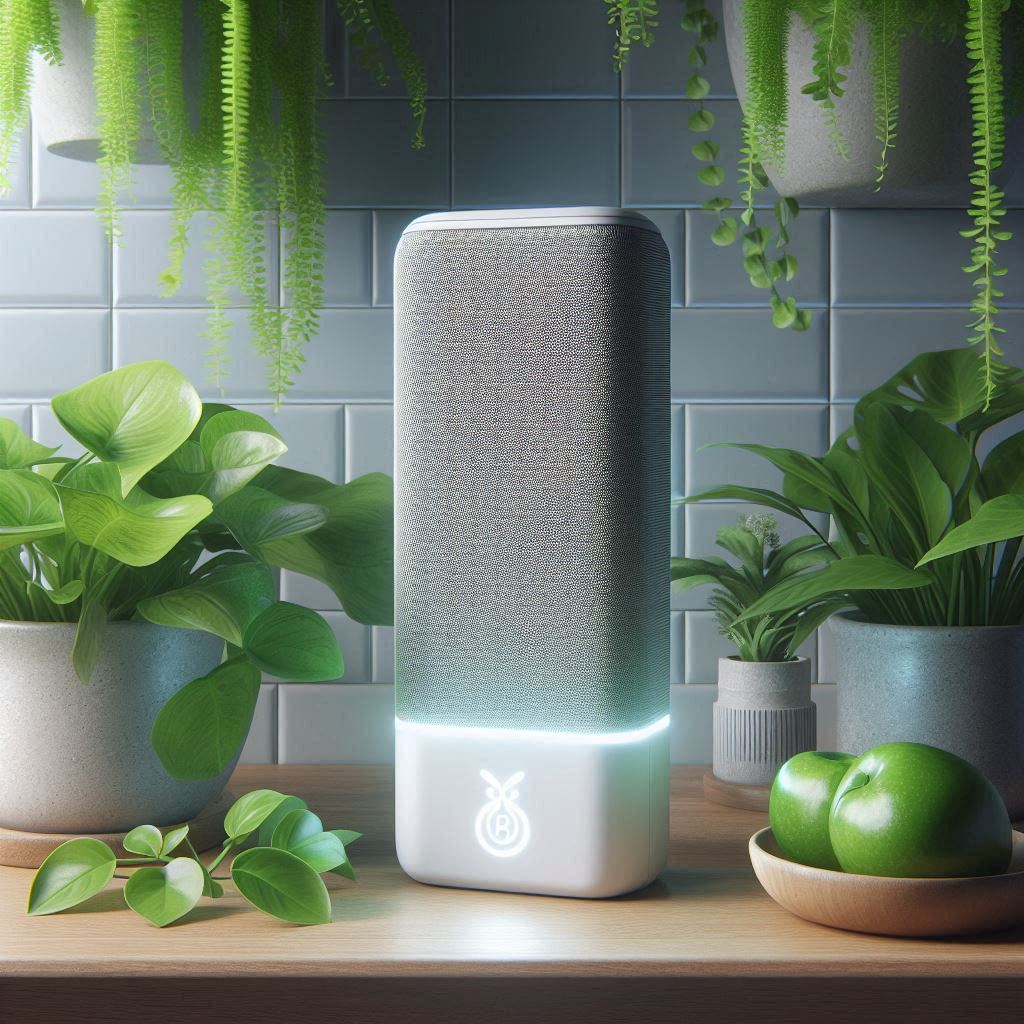
This article explains what eco‑friendly insect killers are, how they work, the types available today, and how to use them effectively. The approach is practical and easy to understand, focusing on real problems households face and realistic solutions that actually work.
What Is an Eco‑Friendly Insect Killer
An eco‑friendly insect killer is a pest control solution designed to minimize harm to humans, animals, and the environment. Instead of relying on harsh synthetic chemicals, these products use natural ingredients, physical methods, or targeted technologies that reduce insect populations safely.
Eco‑friendly does not mean ineffective. It means smarter pest control that focuses on prevention, disruption, and long‑term balance rather than short‑term chemical shock.

Why Traditional Insect Killers Are Becoming a Concern
Many conventional insect sprays and powders contain ingredients that remain active long after application. These chemicals can:
- Pollute indoor air
- Leave residue on floors and furniture
- Harm pets and beneficial insects
- Contribute to insect resistance over time
Another growing issue is overuse. Repeated spraying increases exposure risks while often reducing effectiveness as insects adapt.
Eco‑friendly insect killers address these issues by working with nature rather than against it.
Common Household Insects Eco‑Friendly Solutions Can Control
Eco‑friendly insect killers are suitable for most common indoor pests, including:
- Mosquitoes
- Flies
- Ants
- Cockroaches
- Moths
- Small crawling insects
The key is choosing the right type of solution for the specific insect problem.
Types of Eco‑Friendly Insect Killers
1. Plant‑Based Insect Sprays
These sprays are made from essential oils and plant extracts such as citronella, neem, eucalyptus, peppermint, or lemongrass.
How they work: Insects rely heavily on smell. Plant oils disrupt their ability to navigate and feed, forcing them away from treated areas.
Best for: Mosquitoes, flies, ants
Advantages:
- No toxic residue
- Pleasant or mild scent
- Safe for indoor use when applied correctly
2. Diatomaceous Earth (Food Grade)
Diatomaceous earth is a natural powder made from fossilized algae. It works physically rather than chemically.
How it works: It damages the outer layer of insects, causing dehydration.
Best for: Ants, cockroaches, crawling insects
Advantages:
- Non‑toxic to humans and pets
- Long‑lasting when kept dry
- Insects cannot develop resistance
3. Eco‑Friendly Insect Traps
Traps capture insects without releasing chemicals into the environment.
Examples include:
- Sticky traps
- Light‑based traps
- Bait traps using natural attractants
Best for: Flies, moths, ants
Advantages:
- No airborne chemicals
- Targeted insect control
- Easy to monitor infestation levels
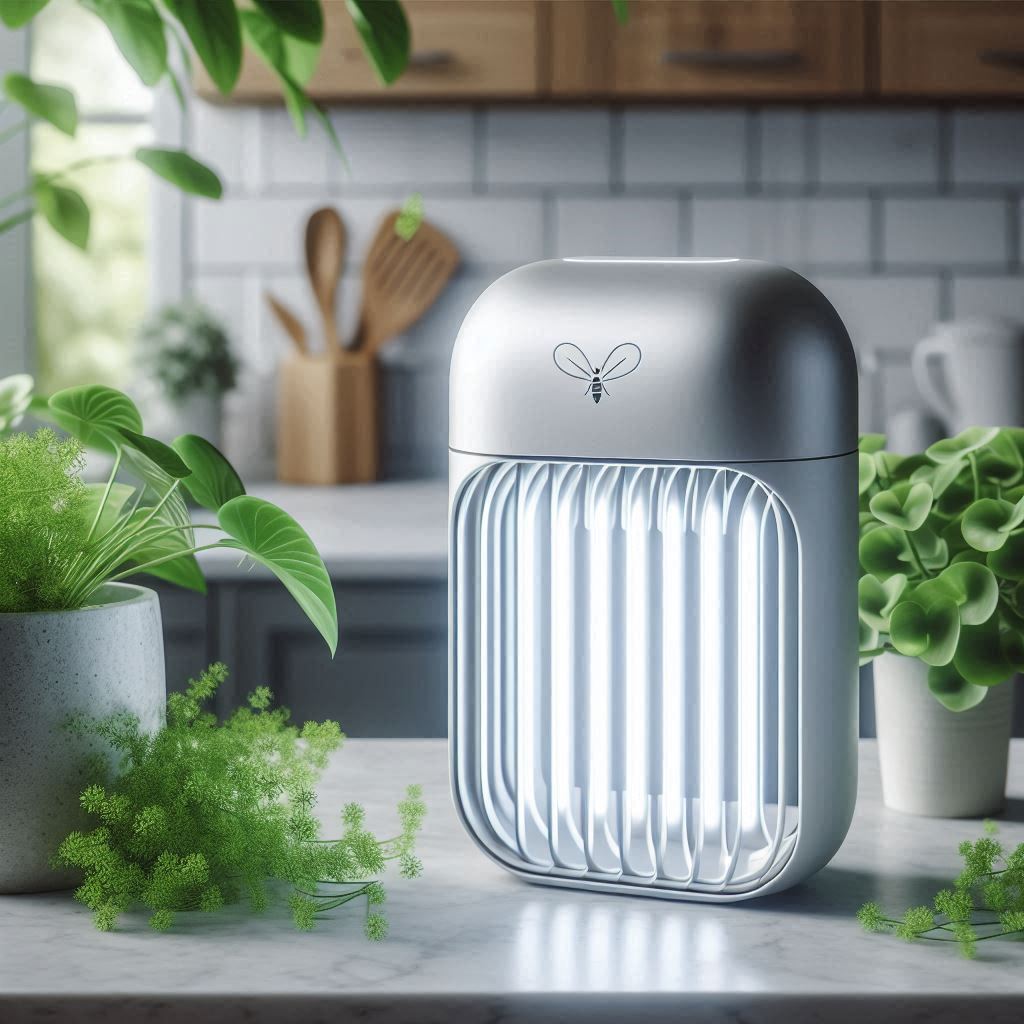
4. Electric Insect Killer Lamps (Low‑Energy Models)
Modern insect killer lamps use low‑energy UV light to attract insects and eliminate them without sprays.
Best for: Flies, mosquitoes
Advantages:
- No chemical exposure
- Continuous protection
- Low electricity consumption in newer models
5. Prevention and Physical Barriers
Eco‑friendly insect control starts with prevention.
Simple steps include:
- Sealing cracks and gaps
- Installing window screens
- Storing food properly
- Managing moisture and waste
These steps reduce insect attraction and limit the need for any killer product.
New Issues in Eco‑Friendly Insect Control (And Their Solutions)
Issue 1: Slower Results Compared to Chemicals
Solution: Eco‑friendly products focus on gradual reduction. Combining sprays with traps and prevention speeds up results.
Issue 2: Insects Returning After a Few Days
Solution: Address entry points and breeding areas. Eco‑friendly methods work best as part of a system, not a single spray.
Issue 3: Strong Smell From Natural Oils
Solution: Choose low‑odor formulations or apply during ventilation. Not all plant‑based sprays have strong scents.
Issue 4: Confusion About What Is Truly Eco‑Friendly
Solution: Read labels carefully. Look for transparency, simple ingredients, and clear usage instructions.
How to Use Eco‑Friendly Insect Killers Effectively
To get the best results:
- Identify the insect type before choosing a solution
- Apply products consistently, not excessively
- Combine killing methods with preventive steps
- Keep treated areas clean and dry
- Monitor results and adjust methods if needed
Eco‑friendly pest control rewards patience and proper use.
Are Eco‑Friendly Insect Killers Really Effective
Yes, when used correctly. While they may not provide instant knockdown like chemical sprays, eco‑friendly insect killers offer safer, long‑term control without damaging health or the environment.
Many households find that once insects are controlled naturally, infestations become less frequent and easier to manage.
Choosing the Right Eco‑Friendly Insect Killer for Your Home
Consider the following before buying:
- Type of insect problem
- Presence of children or pets
- Indoor or outdoor use
- Odor sensitivity
- Ease of application
Matching the product to your specific needs improves effectiveness significantly.
An eco‑friendly insect killer is not just a safer option; it is a responsible one. By choosing plant‑based sprays, natural powders, traps, low‑energy devices, and preventive measures, you can protect your home without harming your health or the environment.
Eco‑friendly insect control is about balance. When you reduce insect attraction and use gentle but effective tools, pests lose their advantage while your home remains clean, safe, and comfortable.
For modern homes, eco‑friendly pest control is no longer an alternative—it is the smarter standard.