
Flies inside the house are more than just an irritation. They land on food, contaminate surfaces, and carry harmful bacteria. Indoor fly problems have become more common due to changing weather, open home designs, and increased food storage inside living spaces. While sprays and chemical insecticides may provide quick results, they are often unsafe for daily indoor use.
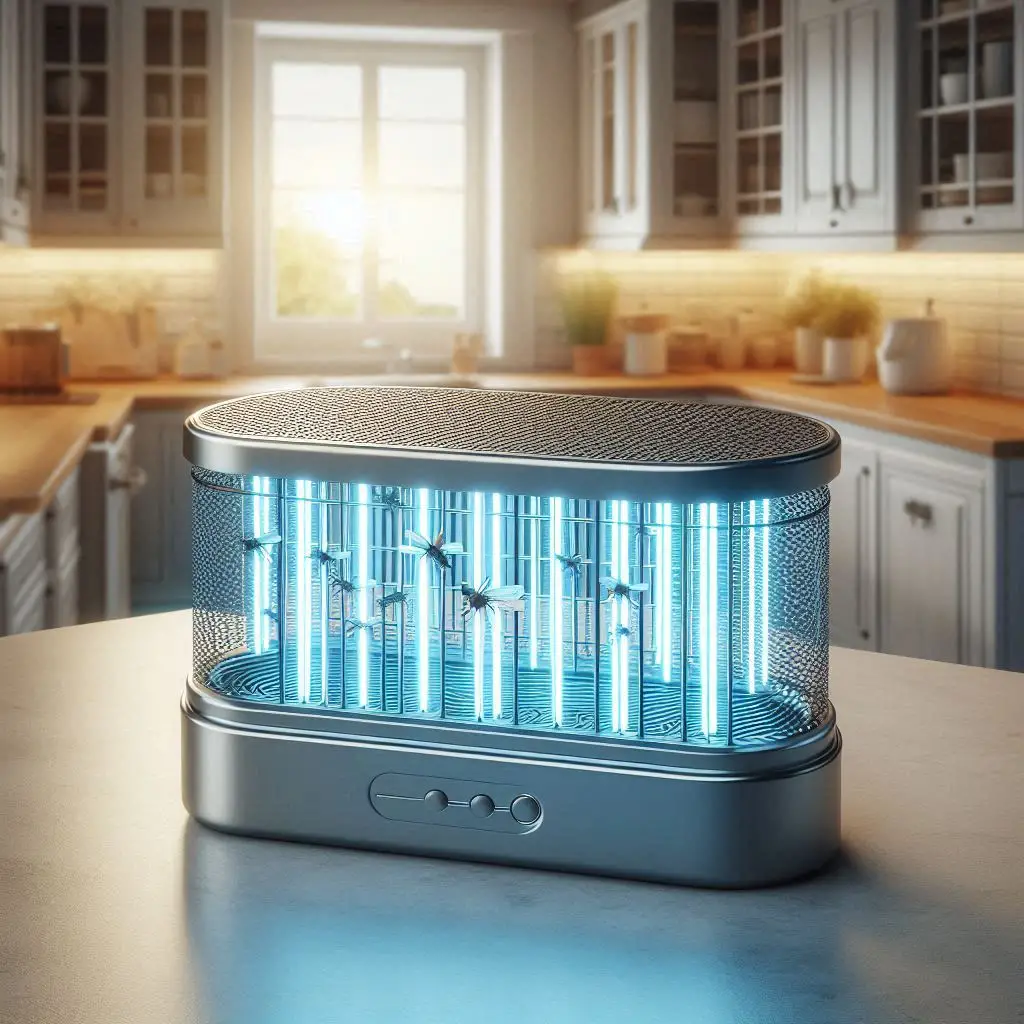
This is why many households now choose an electric fly killer for indoor use. These devices offer continuous fly control without strong smells, toxic chemicals, or repeated spraying. In this article, we will explain how electric fly killers work, why they are suitable for indoor spaces, and how to use them correctly for the best results.
Why Indoor Fly Problems Are Increasing
Modern living has created new challenges when it comes to indoor hygiene and pest control.
- Open kitchens and living areas allow flies to move freely
- Warmer indoor temperatures attract insects year-round
- Increased use of fruits and uncovered food indoors
- Limited ventilation in apartments
- Garbage storage inside the house
Even homes that are cleaned regularly can experience fly infestations. This makes long-term, safe solutions more important than ever.
What Is an Electric Fly Killer?
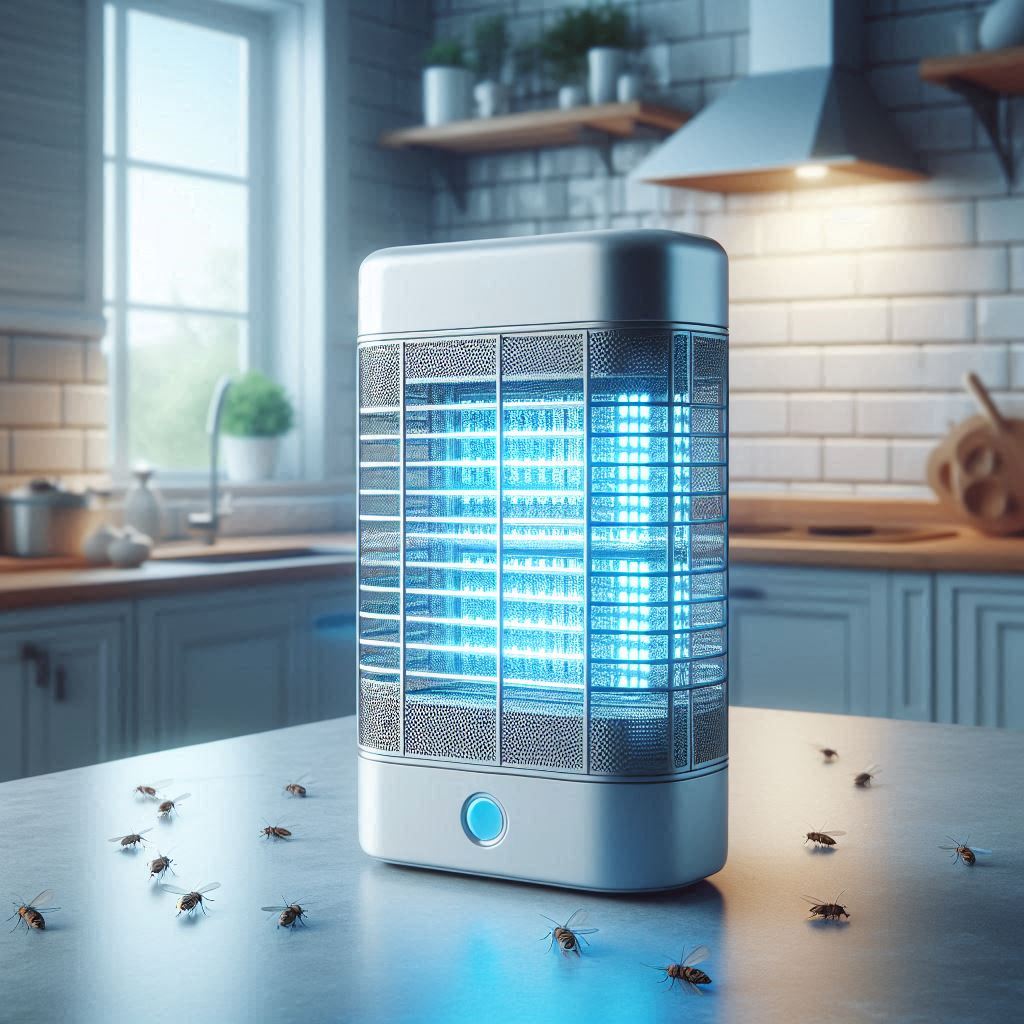
An electric fly killer is a device that attracts flies using UV or LED light and eliminates them through an electric grid or trapping mechanism. It operates continuously when plugged in and requires minimal effort from the user.
Unlike sprays or coils, electric fly killers do not rely on chemicals or smoke, making them suitable for indoor environments.
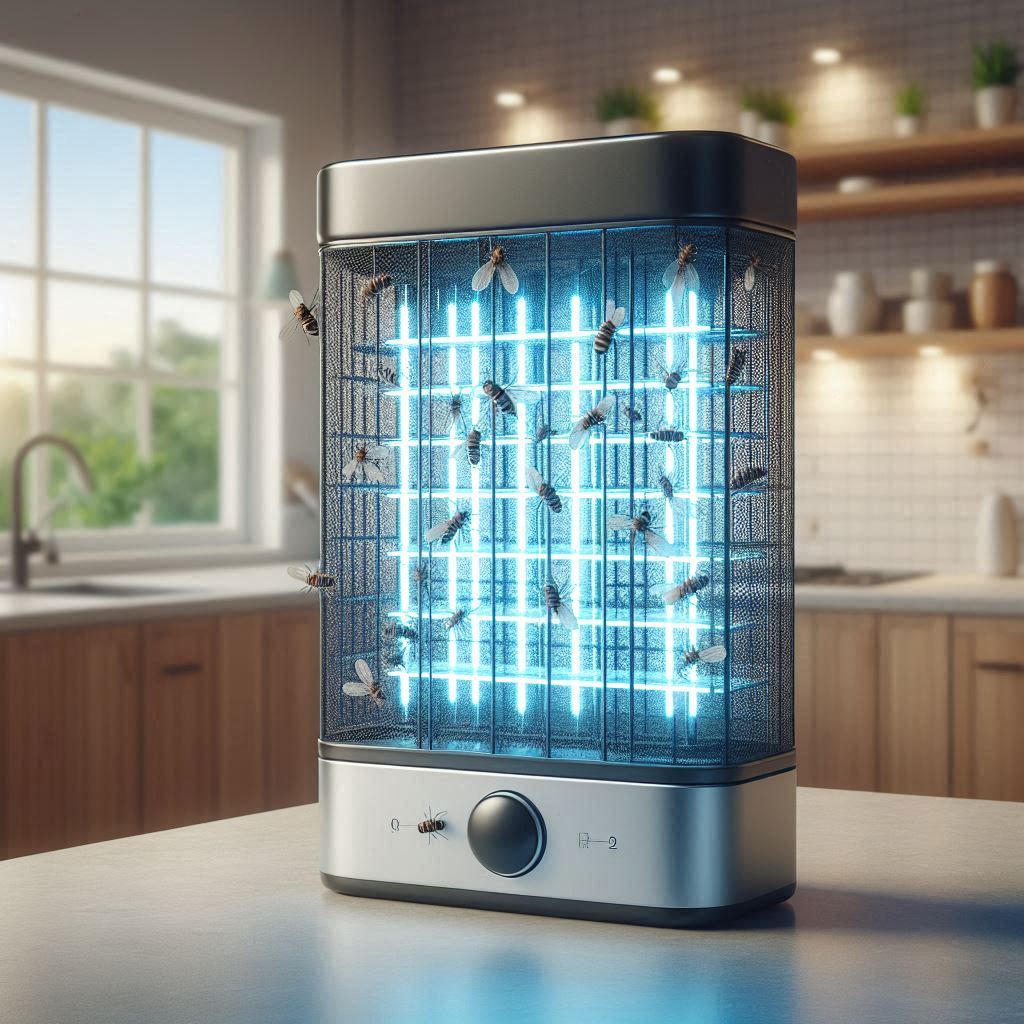
How Electric Fly Killers Work Indoors
Most electric fly killers follow a simple working process:
- The device emits UV light that attracts flies
- Flies move toward the light source
- They are either:
- Killed instantly by an electric grid, or
- Pulled into a trap where they cannot escape
- Dead insects are collected in a tray for easy cleaning
This process runs quietly and efficiently, offering round-the-clock protection.
Benefits of Using an Electric Fly Killer Indoors
1. Chemical-Free Fly Control
Electric fly killers work without sprays or vapors, which means:
- No harmful fumes
- No chemical residue on surfaces
- Safer indoor air quality
2. Safe for Daily Indoor Use
These devices are designed for continuous operation and are widely used in:
- Homes
- Kitchens
- Offices
- Restaurants
- Clinics
3. Odorless Operation
Unlike traditional insect killers, electric fly killers produce no smell, making them ideal for bedrooms and living areas.
4. Cost-Effective Over Time
After the initial purchase:
- No refills needed
- Low electricity consumption
- Minimal maintenance costs
Common Indoor Areas Where Electric Fly Killers Work Best
- Living rooms
- Kitchens (placed away from food preparation areas)
- Dining areas
- Bedrooms
- Home offices
- Hallways
Correct placement improves effectiveness significantly.
New Indoor Fly Control Issues (And Practical Solutions)
Issue 1: Concern About Safety Around Children and Pets
Many people worry about electric devices in family homes.
Solution:
Choose electric fly killers with:
- Enclosed electric grids
- Protective outer casing
- Certified safety standards
Issue 2: Ineffective Results Due to Poor Placement
Some users feel electric fly killers do not work well indoors.
Solution:
Place the device:
- Away from windows
- Not directly near competing light sources
- At a height of 4–6 feet
Issue 3: Noise Sensitivity
Indoor spaces require quiet appliances.
Solution:
Modern electric fly killers are designed with:
- Silent or low-noise operation
- No buzzing sounds
Issue 4: Light Disturbance at Night
Bright UV light may bother some users.
Solution:
Use models with:
- Soft UV light
- Night-mode design
- Placement away from sleeping areas
Types of Electric Fly Killers for Indoor Use
1. UV Electric Fly Zappers
These kill flies instantly using an electric grid.
Best for:
Heavy fly infestation and large indoor areas.
2. Electric Fly Traps (Non-Zapper)
These use suction or sticky boards instead of electric shock.
Best for:
Bedrooms, baby rooms, and noise-sensitive areas.
3. Compact Plug-In Fly Killers
Small units designed for personal spaces.
Best for:
Apartments, study rooms, and kitchens.
How to Choose the Best Electric Fly Killer for Indoor Use
Before buying, consider:
- Coverage Area
Match the device capacity with room size. - Design & Safety
Look for enclosed grids and stable housing. - Ease of Cleaning
Removable trays save time and effort. - Power Consumption
Energy-efficient models reduce electricity cost. - Indoor Certification
Always choose devices designed specifically for indoor use.
Maintenance Tips for Better Performance
- Clean the collection tray weekly
- Turn off the device before cleaning
- Replace sticky boards if used
- Avoid placing near food sources
- Keep the device on for longer hours
Proper maintenance ensures consistent performance.
Are Electric Fly Killers Enough on Their Own?
Electric fly killers work best when combined with basic hygiene:
- Cover food properly
- Dispose of garbage regularly
- Clean spills immediately
- Close doors and windows when possible
This combination ensures long-term fly control indoors.
An electric fly killer for indoor use is one of the safest and most effective solutions for controlling flies inside modern homes. It offers chemical-free, odorless, and continuous protection without disturbing daily life.
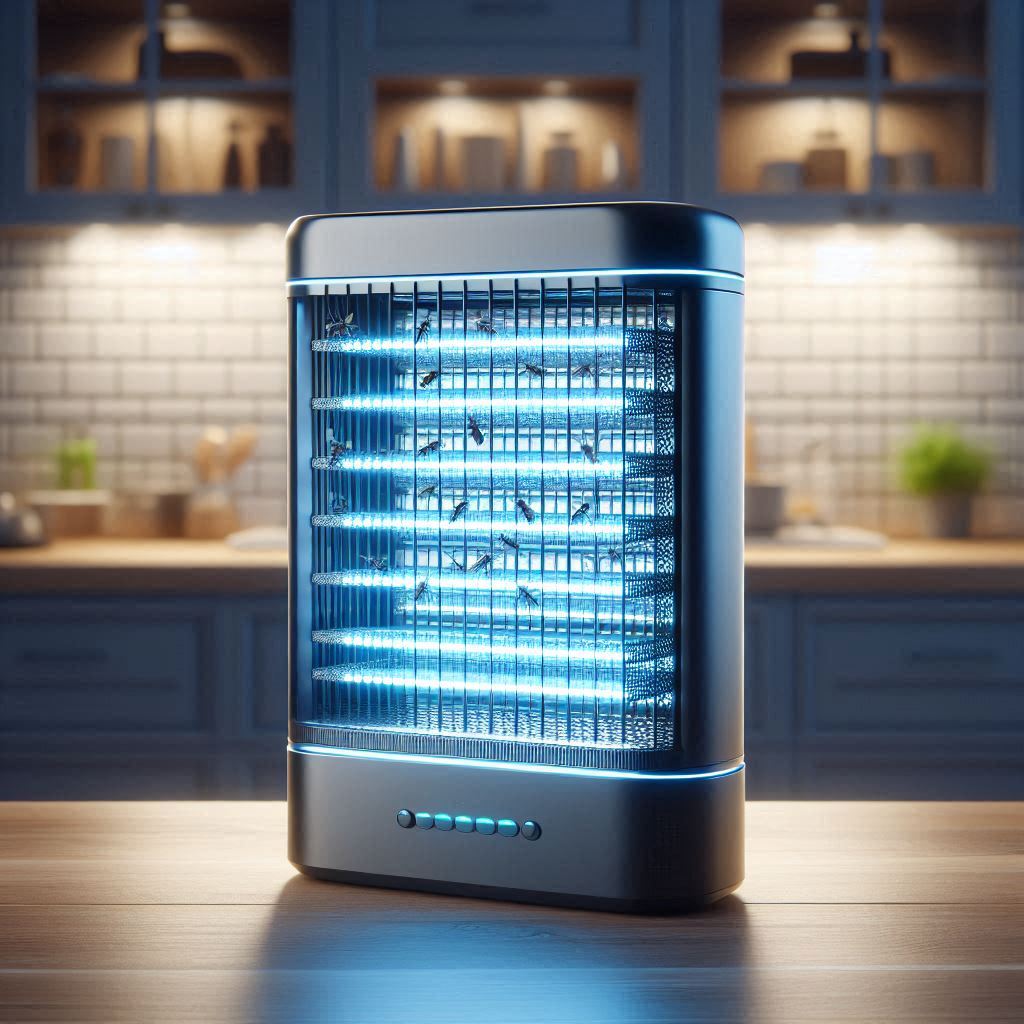
With proper placement and regular cleaning, electric fly killers can significantly reduce indoor fly problems and improve overall hygiene. For households that value health, safety, and convenience, this solution is a smart and reliable choice.