
Insects inside the home are more than just a nuisance. Mosquitoes disturb sleep, flies contaminate food, and other flying insects can spread germs and diseases. Many people rely on sprays and coils, but these solutions often come with strong smells, health concerns, and short-term results.
This is why electric insect killers for home are becoming increasingly popular. They offer continuous protection, use no chemicals, and are easy to maintain. But choosing the right one—and using it correctly—makes all the difference.
This article explains how electric insect killers work, their types, benefits, common problems, and smart solutions, all in an easy-to-understand way.
What Is an Electric Insect Killer?
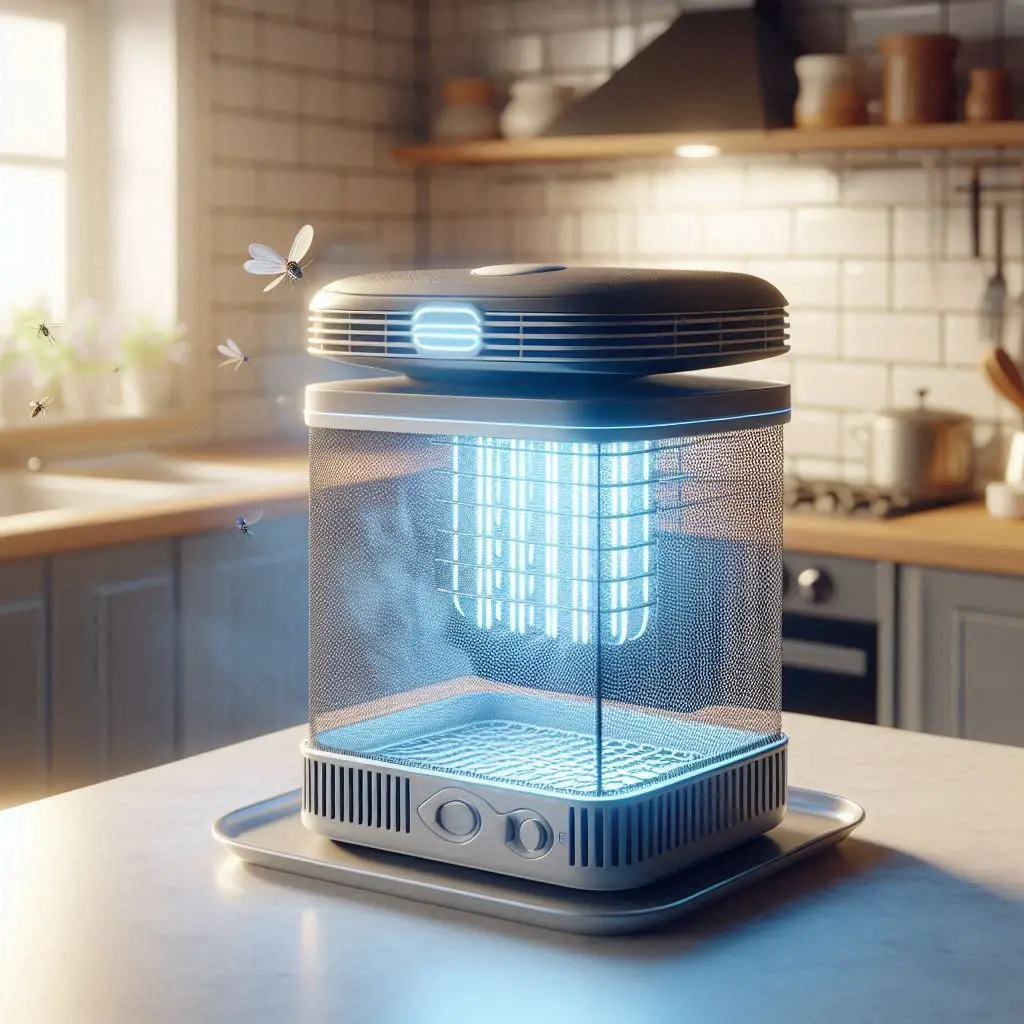
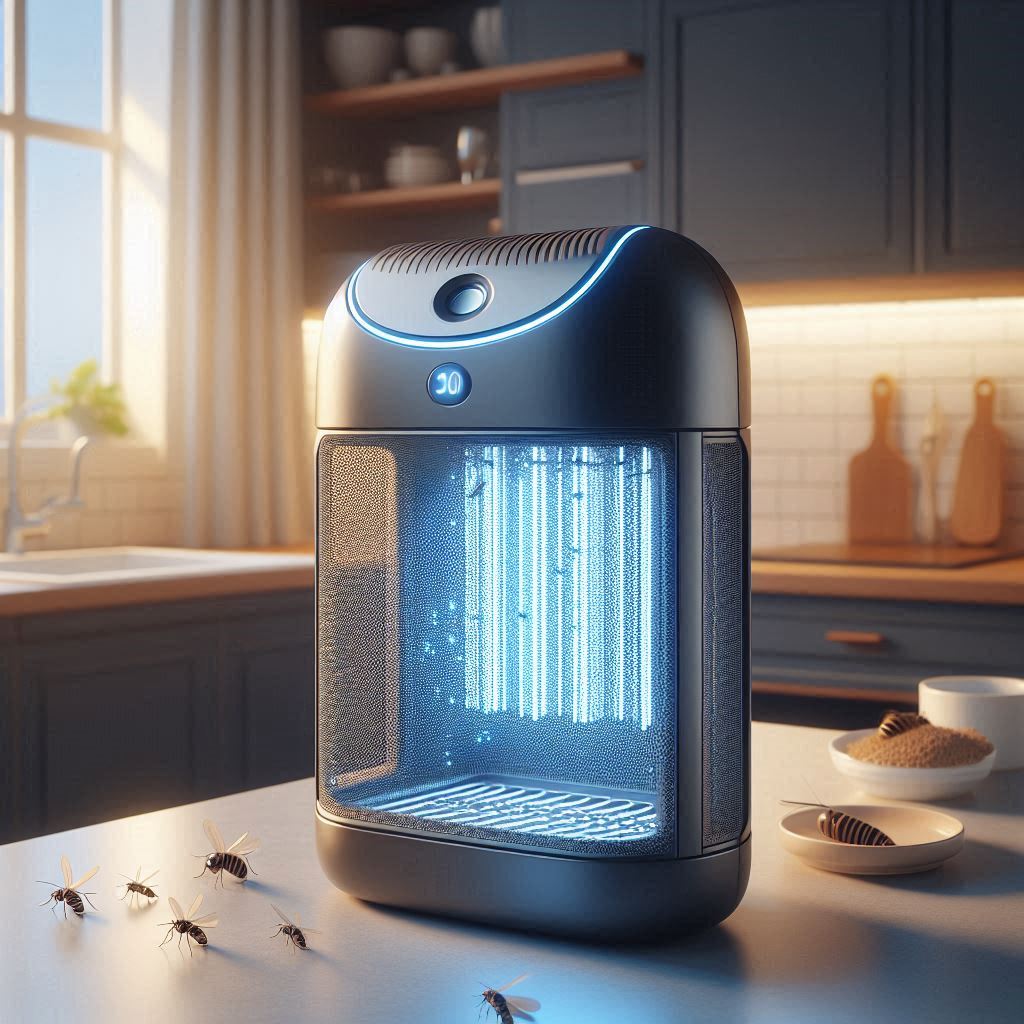
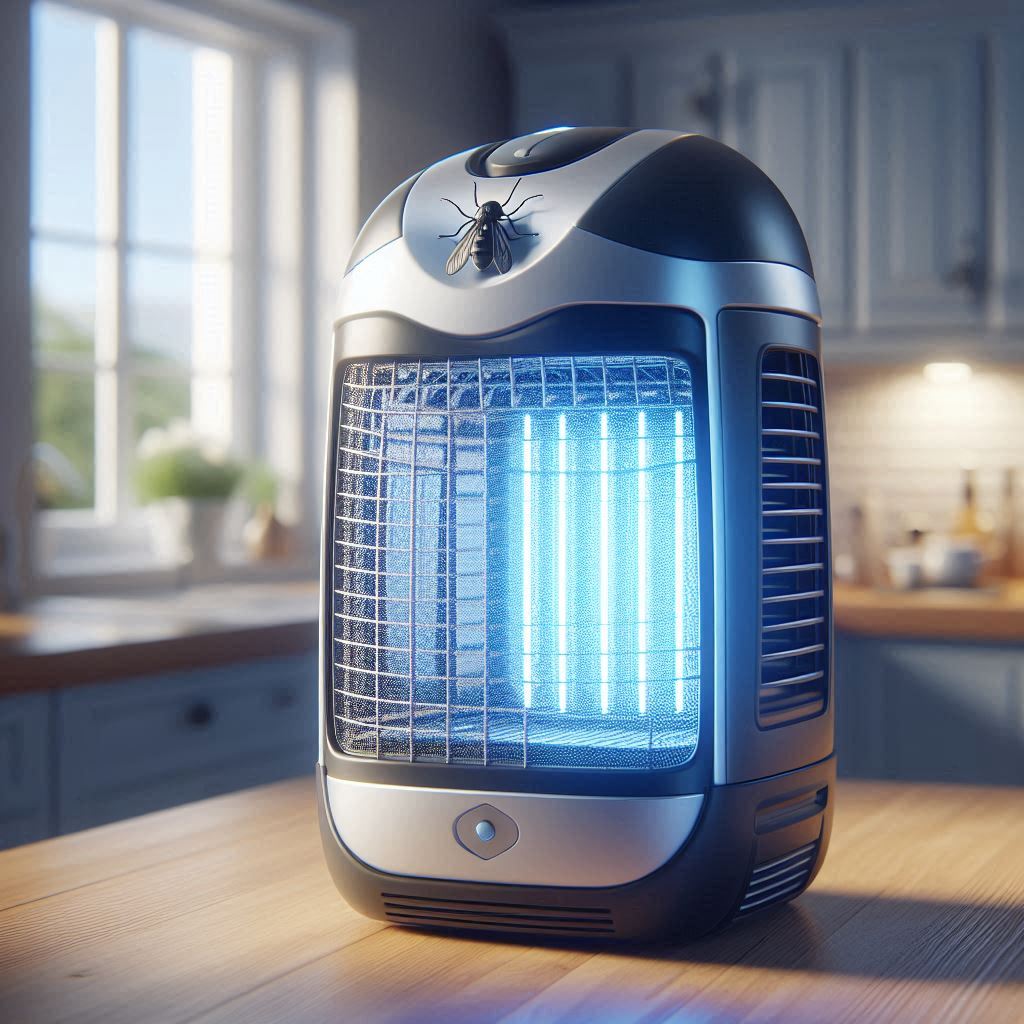
An electric insect killer is a device that attracts and kills insects using electric power instead of chemicals. Most models use light (UV or LED) to attract insects and then eliminate them through:
- An electric grid (instant kill), or
- A trapping system (glue board or enclosed chamber)
These devices are designed mainly for indoor use, making them suitable for homes, kitchens, bedrooms, and living areas.
How Electric Insect Killers Work
The working process is straightforward:
- The device emits light that attracts flying insects.
- Insects move toward the light source.
- Once inside, they are killed or trapped.
- Dead insects fall into a tray or remain on a glue board for easy cleaning.
Because this process runs continuously, electric insect killers provide round-the-clock protection.
Types of Electric Insect Killers for Home
Understanding the types helps you choose the best option.
1. Electric Bug Zapper
- Uses an electric grid
- Kills insects instantly
- Suitable for living rooms and halls
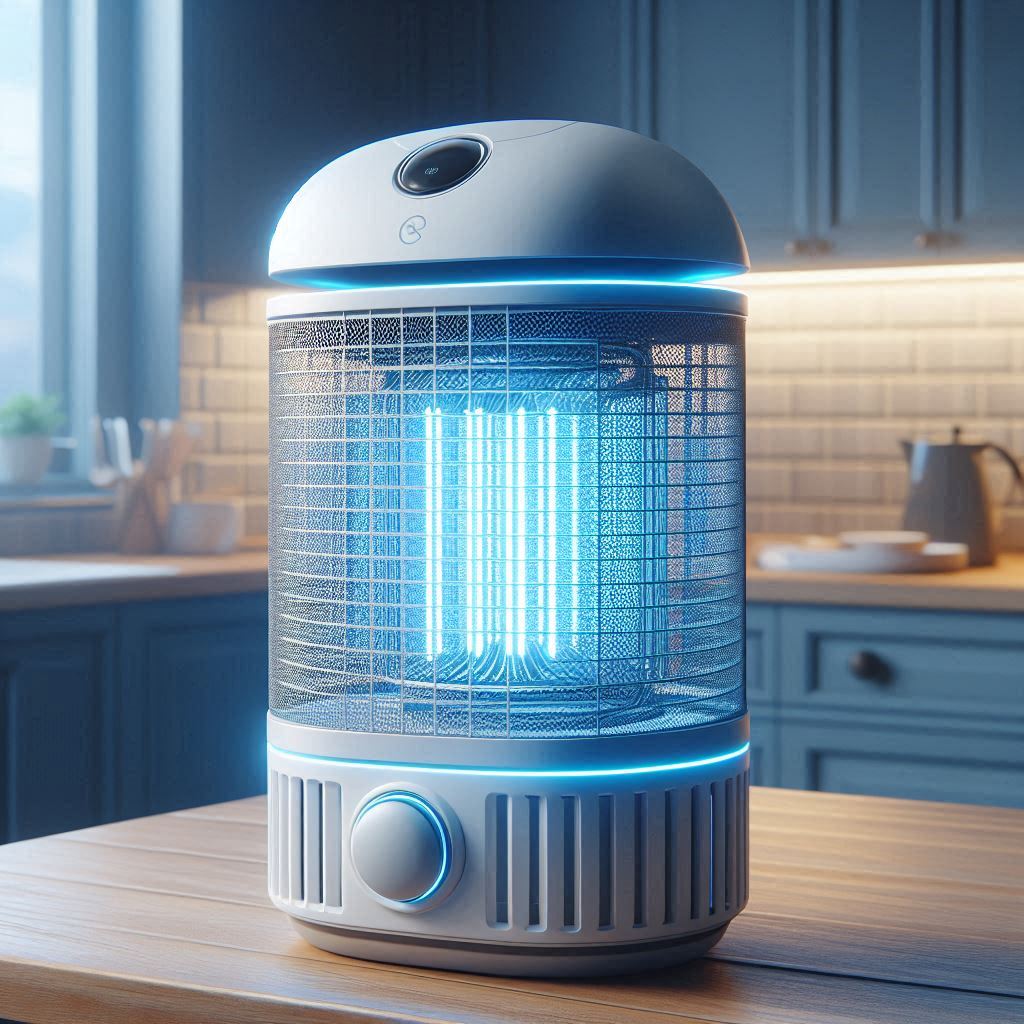
2. UV Insect Killer Lamp
- Uses ultraviolet light to attract insects
- Quiet and energy-efficient
- Ideal for bedrooms and indoor spaces
3. Glue Board Electric Insect Killer
- Traps insects instead of zapping
- No noise, no sparks
- Best for kitchens and food areas
4. Portable Electric Insect Killer
- Lightweight and easy to move
- Works well in small rooms
- Ideal for renters or temporary use
Benefits of Using an Electric Insect Killer at Home
1. Chemical-Free Protection
Unlike sprays and coils, electric insect killers do not release harmful fumes. This makes them safer for children, elderly people, and pets.
2. Continuous Operation
Once plugged in, the device works day and night without reapplication or supervision.
3. Cost-Effective Over Time
Although the initial cost may be higher than sprays, electric insect killers save money in the long run.
4. No Strong Smell
Electric insect killers operate silently and without unpleasant odors.
5. Easy Maintenance
Most models only require occasional cleaning or bulb replacement.
Common Issues with Electric Insect Killers (And How to Fix Them)
Issue 1: “It’s Not Killing Enough Insects”
This is often caused by poor placement.
Solution:
- Place the device away from windows and bright lights
- Install it 5–7 feet above the ground
- Use it in darker areas for better attraction
Issue 2: Mosquitoes Are Still Biting
Mosquitoes prefer humans over light.
Solution:
- Place the device away from beds or seating areas
- Use fans or window screens alongside the killer
- Turn it on before bedtime to reduce population early
Issue 3: Noise from Electric Zapping
Some people find the zap sound disturbing, especially at night.
Solution:
- Choose glue-board or silent UV models for bedrooms
- Use zapper models in kitchens or common areas
Issue 4: Safety Concerns for Kids and Pets
Low-quality products may expose electric grids.
Solution:
- Choose models with protective outer casing
- Avoid floor-level placement
- Buy certified, branded products
Issue 5: Reduced Performance Over Time
UV bulbs lose attraction power after months of use.
Solution:
- Replace UV bulbs every 6–12 months
- Clean trays and grids regularly
Electric Insect Killer vs Traditional Insect Control Methods
| Feature | Electric Killer | Spray / Coil |
|---|---|---|
| Chemicals | No | Yes |
| Odor | None | Strong |
| Long-term cost | Low | High |
| Continuous use | Yes | No |
| Child & pet safety | Higher | Lower |
Electric insect killers clearly offer healthier and more convenient protection.
Best Places to Use Electric Insect Killers at Home
- Living rooms
- Bedrooms (silent models)
- Kitchens (glue board type)
- Dining areas
- Study rooms
Avoid using indoor models outdoors unless specified by the manufacturer.
Buying Tips: How to Choose the Best Electric Insect Killer
- Check room coverage area
- Choose silent or zapper type based on location
- Look for replaceable bulbs or parts
- Ensure easy cleaning access
- Prefer energy-efficient models
- Read safety certifications
Who Should Use an Electric Insect Killer?
Electric insect killers are ideal for:
- Families with children
- Homes with pets
- People sensitive to chemical smells
- Apartments and closed spaces
- Anyone looking for long-term insect control
Final Verdict: Is an Electric Insect Killer Worth It?
An electric insect killer for home is not a quick fix, but it is a smart, long-term solution. When used correctly, it significantly reduces indoor insects without affecting health or comfort.
For best results, combine proper placement, regular maintenance, and realistic expectations. When used as part of a complete pest-control approach, electric insect killers are absolutely worth the investment.
Electric insect killers provide a cleaner, safer, and more sustainable way to control indoor insects. They eliminate the need for daily sprays and harmful chemicals while offering continuous protection.
If you want a peaceful, insect-free home without health risks, an electric insect killer is a practical and reliable choice.