

Flies are a common problem in homes, kitchens, and workspaces. They contaminate food, spread bacteria, and make indoor spaces uncomfortable. When people look for a solution, two popular options usually come up: fly traps and electric fly killers.
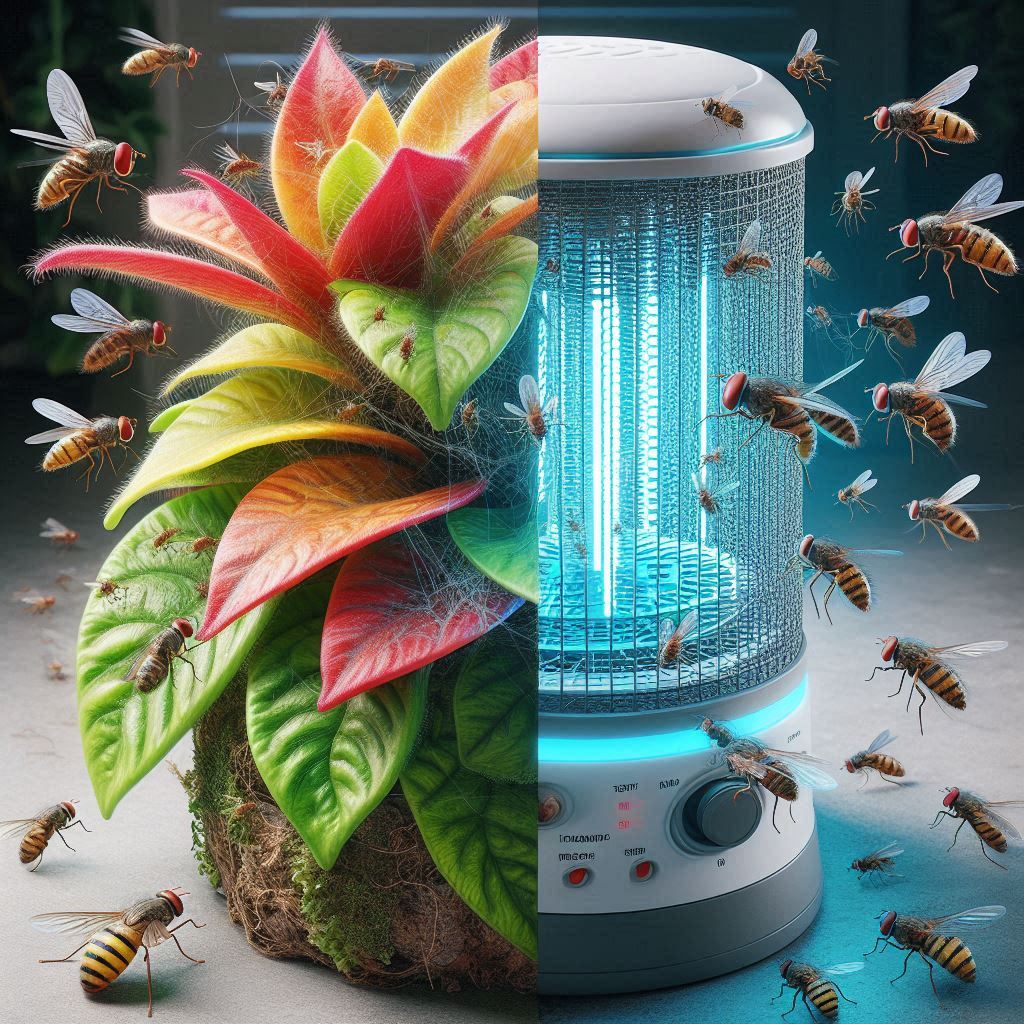
Both methods are widely used, but they work in very different ways. Choosing the right option depends on your space, safety needs, and level of infestation. In this guide, we will compare fly traps and electric fly killers in detail, explain modern challenges, and help you decide which one suits your situation best.
Understanding the Fly Problem in Modern Homes
Indoor fly problems have increased in recent years due to:
- Open kitchen and living room designs
- Warm indoor temperatures
- Increased food storage inside homes
- Limited airflow in apartments
- Garbage stored indoors for longer periods
Because of these changes, fly control now requires safer and more consistent solutions than traditional sprays.
What Is a Fly Trap?
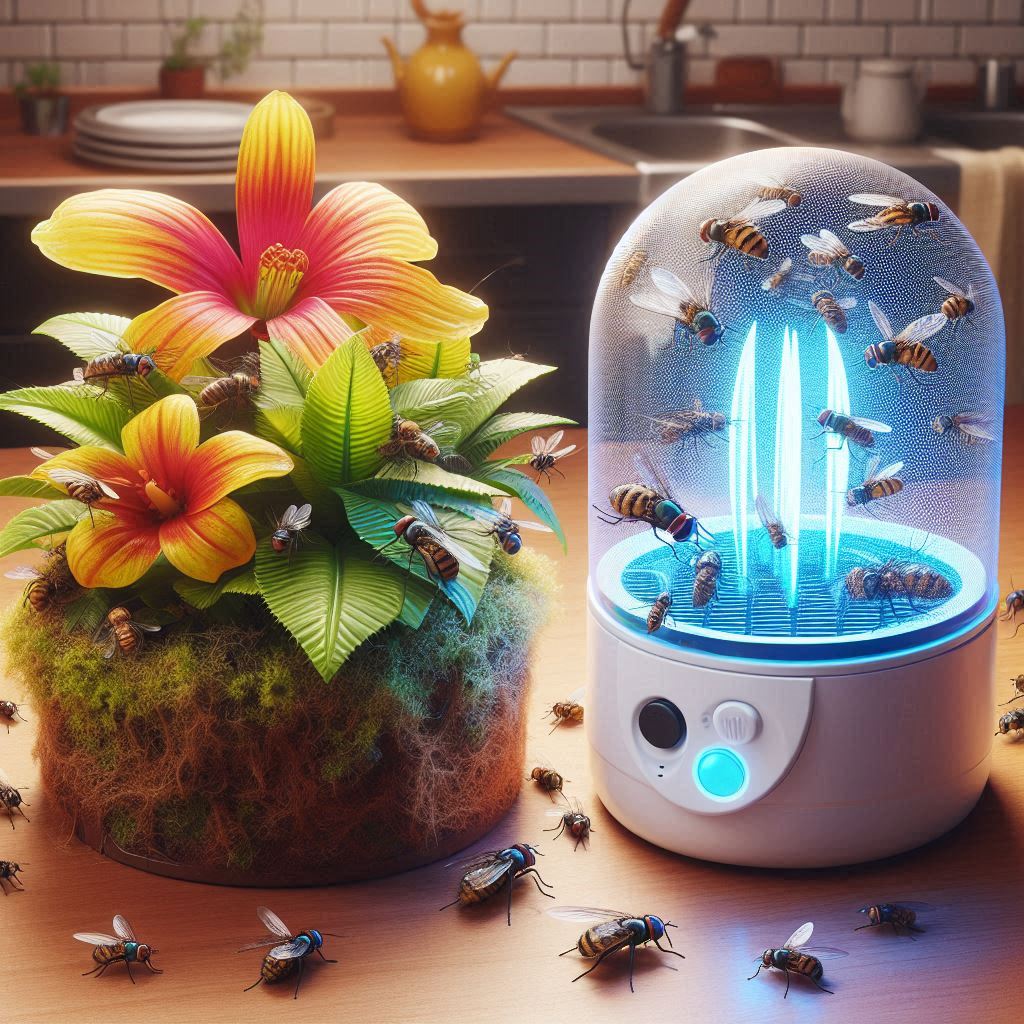
A fly trap is a device designed to capture flies without instantly killing them. Most fly traps attract flies using light, food-based attractants, or visual cues and then trap them inside.
Common Types of Fly Traps
- Sticky fly traps
- Window fly traps
- Fruit fly traps
- Suction-based fly traps
Fly traps are often used where chemical sprays are not suitable.
What Is an Electric Fly Killer?
An electric fly killer uses UV light to attract flies and eliminates them using an electric grid or internal trap. These machines operate continuously when powered on.
Electric fly killers are commonly used in:
- Homes
- Kitchens
- Restaurants
- Shops
- Offices
Fly Trap vs Electric Fly Killer: How They Work
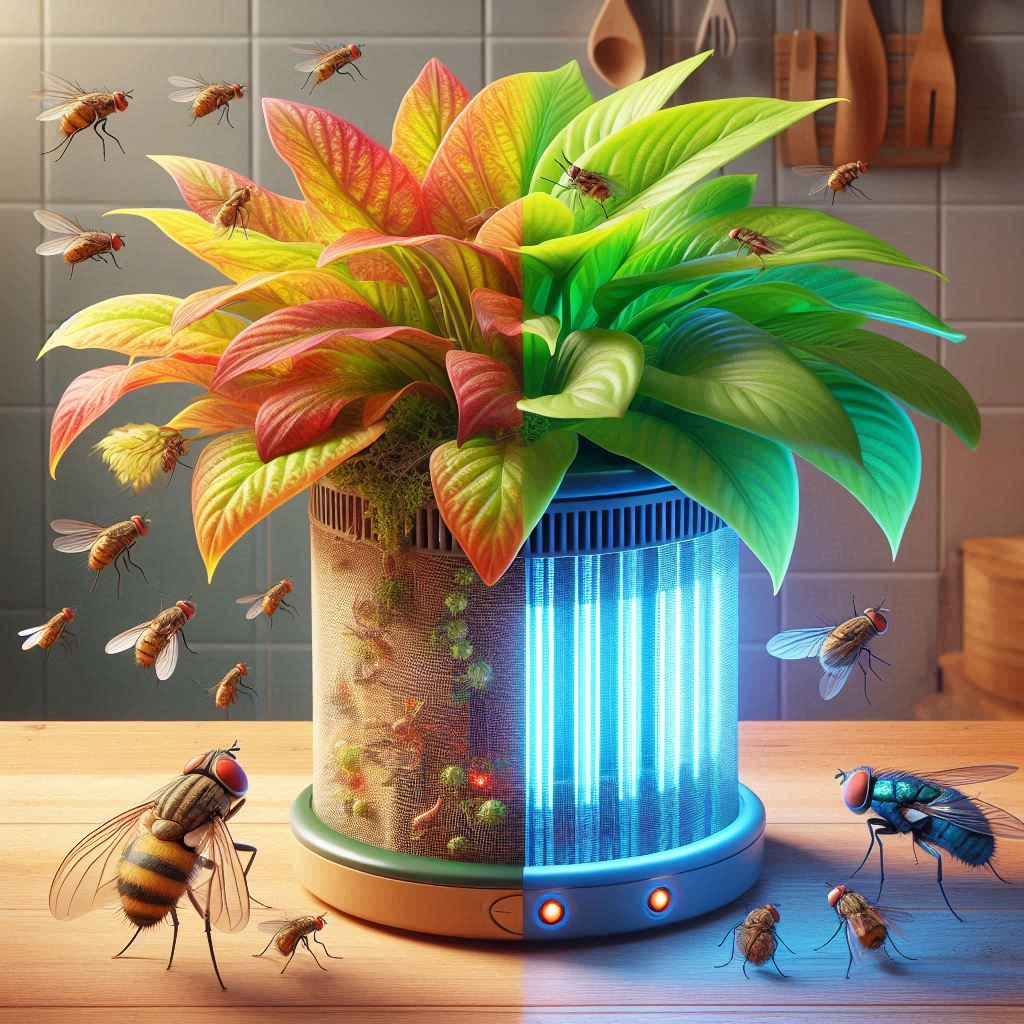
Fly Trap Working Method
- Attracts flies using scent or light
- Traps flies using glue or enclosed space
- Flies die slowly over time
Electric Fly Killer Working Method
- UV light attracts flies
- Flies touch an electric grid
- Instant kill and collection
Key Differences Between Fly Trap and Electric Fly Killer
1. Effectiveness
Fly Traps:
- Moderate effectiveness
- Works best for low fly populations
- Slower results
Electric Fly Killers:
- High effectiveness
- Works well for heavy infestations
- Fast results
2. Safety and Health
Fly Traps:
- Chemical-free
- Safe for children and pets
- No electricity risk
Electric Fly Killers:
- Safe when enclosed
- Needs proper placement
- Certified models are kitchen-safe
3. Smell and Chemicals
Fly Traps:
- Usually odorless
- Some bait traps may have mild smell
Electric Fly Killers:
- Completely odor-free
- No chemicals involved
4. Maintenance
Fly Traps:
- Frequent replacement
- Visible trapped flies
Electric Fly Killers:
- Occasional cleaning
- Long-term use
5. Noise and Light
Fly Traps:
- Silent
- No light emission
Electric Fly Killers:
- Mild zapping sound
- Soft UV light
New Issues in Fly Control (And Practical Solutions)
Issue 1: Food Safety in Kitchens
Sprays and strong chemicals are unsafe near food.
Solution:
Electric fly killers with enclosed grids or sticky fly traps designed for food areas.
Issue 2: Increased Fruit Fly Problems
Healthier diets mean more fruits in homes.
Solution:
Use fruit fly traps combined with electric fly killers for overall control.
Issue 3: Child and Pet Safety
Open electric grids may raise safety concerns.
Solution:
Choose enclosed electric fly killers or non-electric fly traps in family homes.
Issue 4: Visibility and Aesthetics
Some people dislike seeing trapped insects.
Solution:
Use internal collection trays or hidden sticky boards.
Which Is Better for Different Locations?
Best Choice by Area
- Kitchen: Electric fly killer (enclosed) or window fly traps
- Bedroom: Electric fly trap (non-zapper)
- Living Room: Electric fly killer
- Small Apartment: Combination of both
- Restaurants: Commercial electric fly killer
Cost Comparison
Fly Traps:
- Low initial cost
- Ongoing replacement expense
Electric Fly Killers:
- Higher initial cost
- Lower long-term cost
When to Use Fly Traps
Fly traps are best when:
- Fly population is low
- Electricity access is limited
- Children and pets are present
- Silent operation is required
When to Use Electric Fly Killers
Electric fly killers are better when:
- Fly infestation is high
- Continuous protection is needed
- Indoor hygiene is critical
- Long-term solution is preferred
Can You Use Both Together
Yes. Many people achieve the best results by using both methods:
- Electric fly killer for active control
- Fly traps near windows or drains
This combination reduces fly population faster.
Fly Trap vs Electric Fly Killer
There is no single solution that works for every home. Fly traps are simple, safe, and affordable, while electric fly killers offer stronger and faster control.
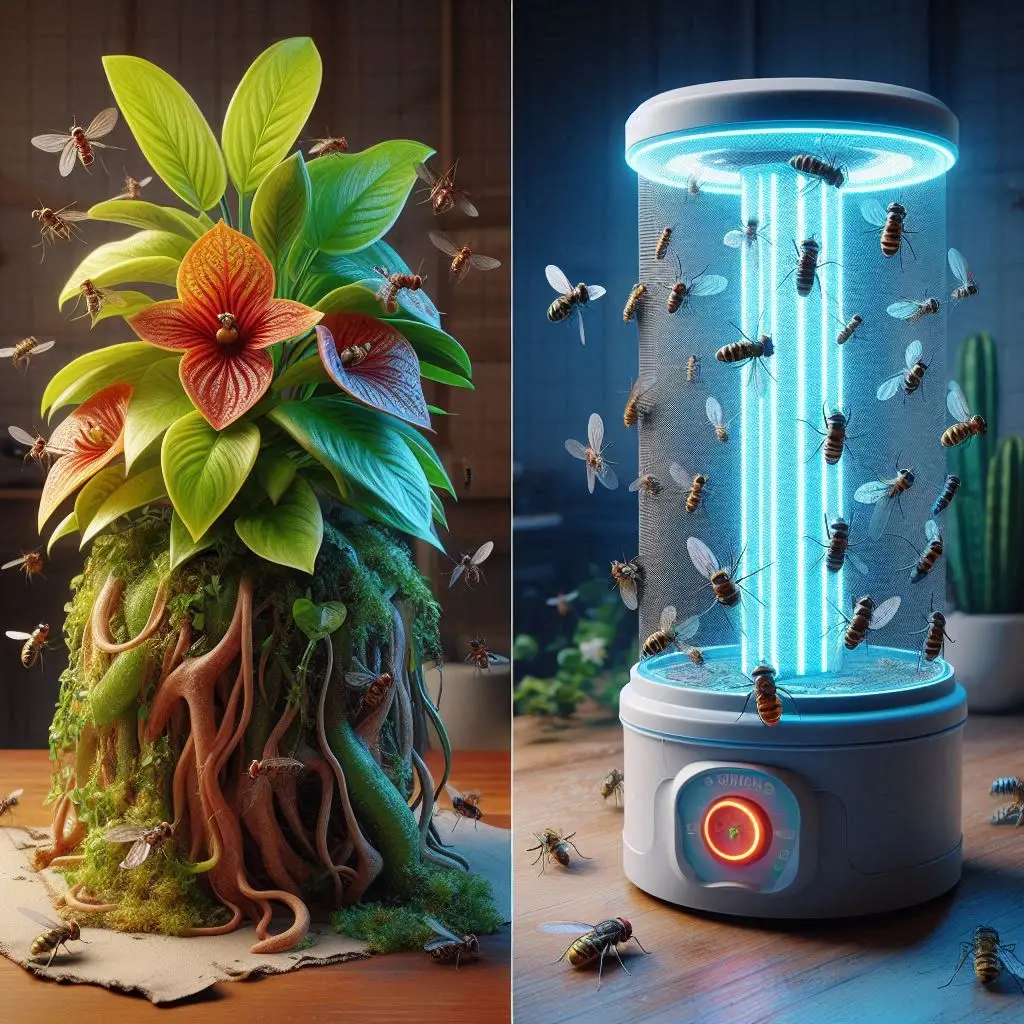
If you want long-term, effective indoor fly control, an electric fly killer is usually the better option. For light infestations or sensitive areas, fly traps work well.
Choosing the right solution depends on your space, safety needs, and budget.