
Insects inside the home are more than just annoying. They spread germs, contaminate food, and disturb daily life. For many years, people relied on chemical insect sprays to control pests like mosquitoes, ants, flies, cockroaches, and spiders. However, growing awareness about health risks and environmental damage has pushed homeowners to look for safer alternatives. This is where herbal insect killer spray comes in.
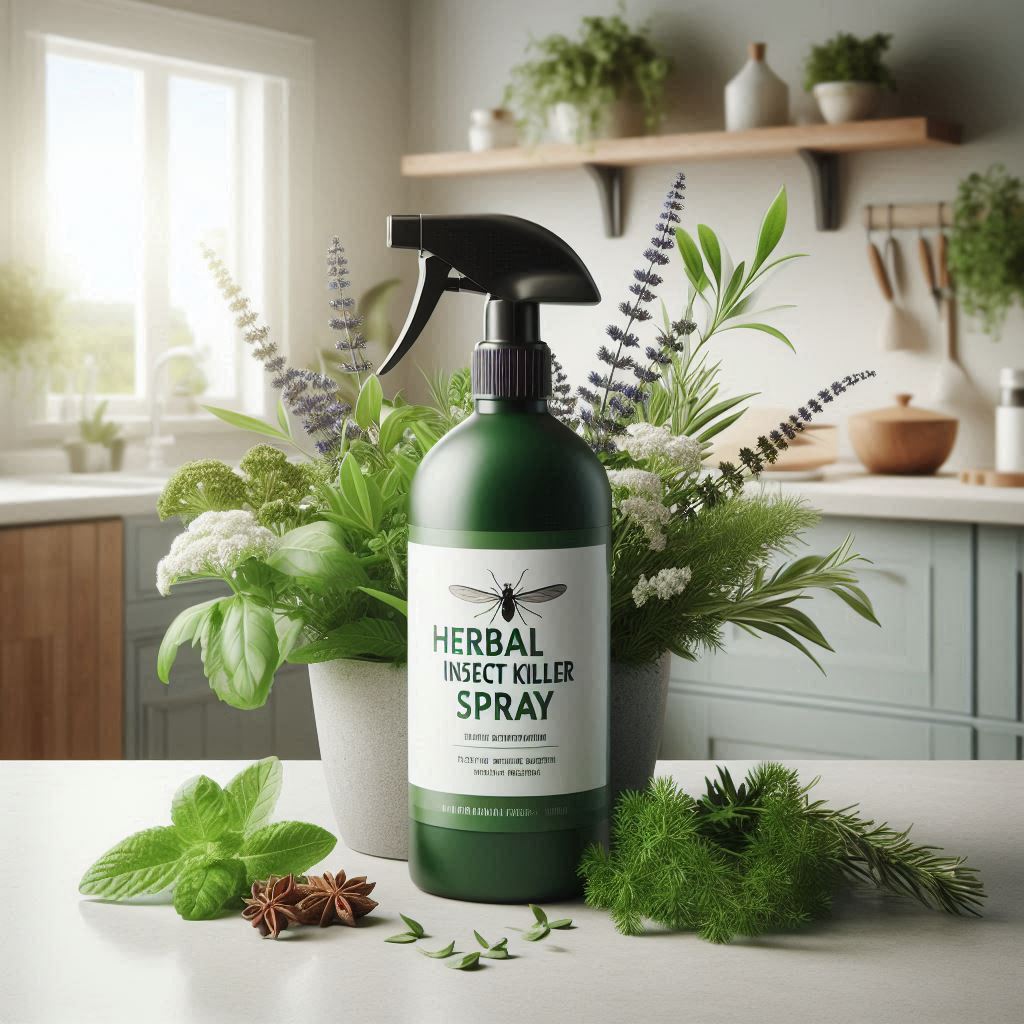
Herbal insect killer sprays are made from plant-based ingredients that naturally repel or kill insects without causing harm to humans, pets, or the environment. In this article, we will explore how herbal insect sprays work, their benefits, common issues people face while using them, and how to solve those problems effectively.
What Is a Herbal Insect Killer Spray?
A herbal insect killer spray is a natural pest control product made using extracts of herbs, plants, and essential oils. These sprays target insects using strong natural scents or plant compounds that insects cannot tolerate.
Common herbal ingredients include:
- Neem oil
- Lemongrass oil
- Citronella
- Eucalyptus oil
- Peppermint oil
- Clove oil
- Tea tree oil
Unlike chemical sprays, herbal insect killers do not rely on toxic substances. Instead, they disrupt the insect’s nervous system, breathing process, or sense of smell, forcing them to leave or die naturally.
Why People Are Switching to Herbal Insect Killer Sprays
1. Health Concerns with Chemical Sprays
Chemical insect sprays often contain harmful substances that can cause:
- Breathing problems
- Skin irritation
- Eye burning
- Headaches and dizziness
- Long-term health risks in children
Herbal sprays reduce these risks because they are non-toxic and chemical-free.
2. Safe for Children and Pets
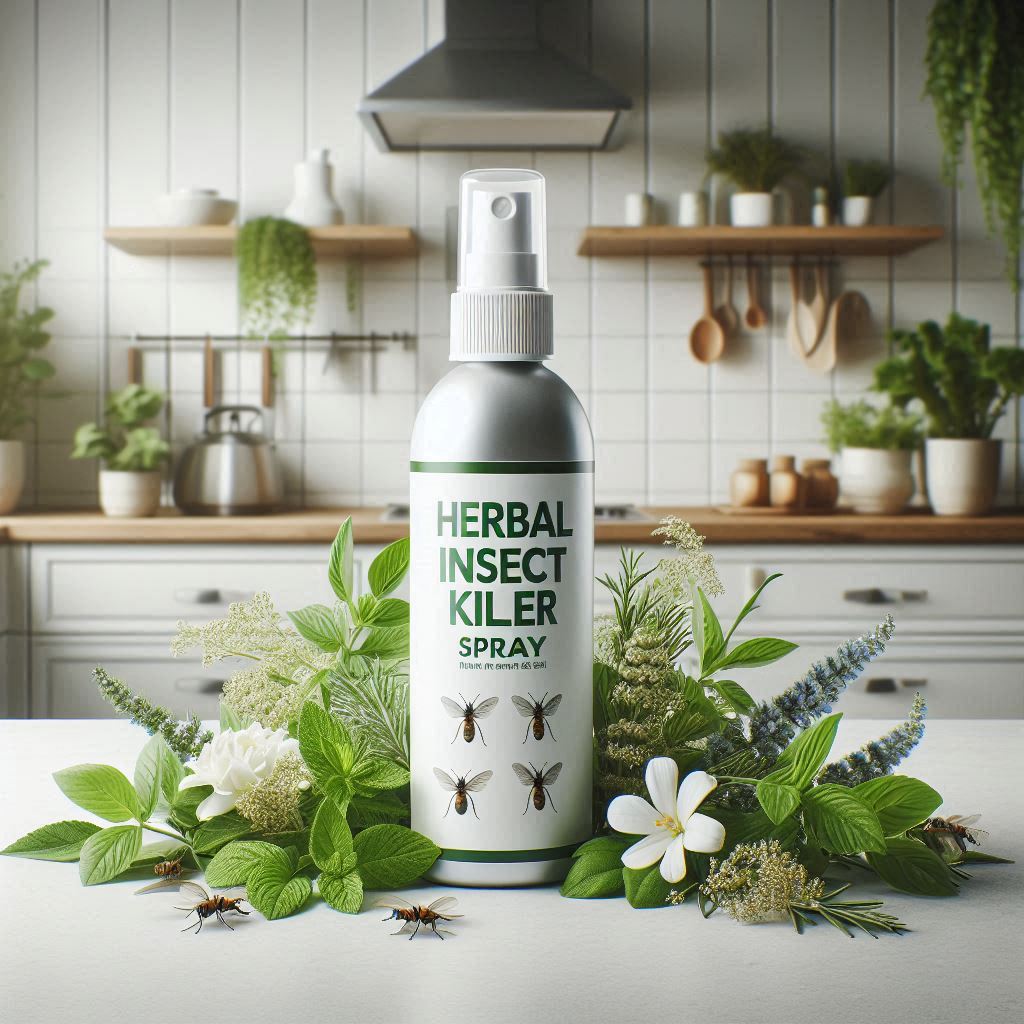
One of the biggest reasons families prefer herbal insect killer sprays is safety. Children crawl, touch surfaces, and put things in their mouths. Pets lick floors and furniture. Herbal sprays are much safer in such environments when used correctly.
3. Eco-Friendly Choice
Chemical insecticides pollute air, water, and soil. Herbal sprays break down naturally and do not harm beneficial insects or the ecosystem when used indoors.
How Herbal Insect Killer Sprays Work
Herbal sprays work in different ways depending on the ingredients used:
- Repelling insects: Strong herbal scents confuse insects and keep them away
- Blocking breathing: Oils like neem and clove can suffocate insects
- Disrupting reproduction: Some herbs prevent insects from laying eggs
- Targeting nervous systems: Certain plant compounds affect insect movement and survival
This natural action makes herbal sprays effective while remaining safe.
Common Insects Controlled by Herbal Sprays
Herbal insect killer sprays can be used against many household pests, including:
- Mosquitoes
- Ants
- Flies
- Cockroaches
- Silverfish
- Spiders
- Bed bugs (mild infestations)
They are especially useful for kitchens, bedrooms, living rooms, and children’s rooms.
New Issues with Herbal Insect Killer Sprays (And Their Solutions)
Although herbal sprays are safe, users sometimes face challenges. Let’s discuss the most common issues and how to fix them.
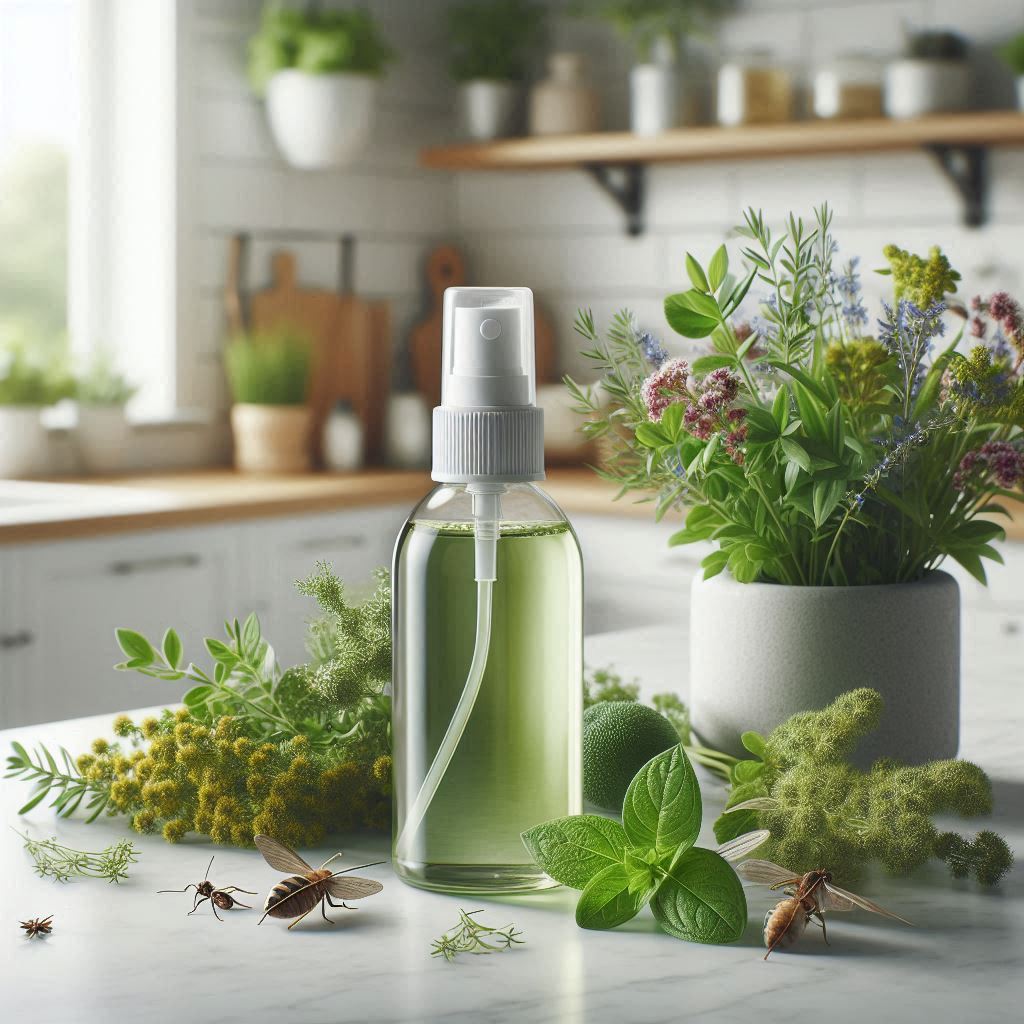
Issue 1: “Herbal Spray Is Not Killing Insects Instantly”
Problem:
Many people expect instant results like chemical sprays, but herbal products work more slowly.
Solution:
Herbal sprays are designed for long-term control, not instant knockdown. Spray regularly on entry points, corners, and breeding areas. Consistent use gives better results than one-time spraying.
Issue 2: “The Effect Doesn’t Last Long”
Problem:
Natural ingredients evaporate faster than chemicals, reducing long-lasting effects.
Solution:
- Spray once or twice daily in problem areas
- Focus on cracks, drains, windows, and doors
- Use herbal sprays as part of a routine, not a one-time solution
Some users also combine herbal sprays with cleanliness for better control.
Issue 3: “Strong Herbal Smell Is Uncomfortable”
Problem:
Some essential oils have strong odors that may bother sensitive people.
Solution:
- Choose sprays with balanced formulations
- Ventilate rooms after spraying
- Use mild-scent options like neem or peppermint
Over time, the smell fades naturally without leaving harmful residues.
Issue 4: “Not Effective Against Heavy Infestations”
Problem:
Severe infestations may not respond quickly to herbal sprays alone.
Solution:
- Use herbal sprays as a preventive and maintenance solution
- For heavy infestations, first reduce pests manually or with professional help
- Continue herbal spraying to prevent reinfestation
Herbal sprays work best for light to moderate infestations and prevention.
Best Places to Use Herbal Insect Killer Spray
- Kitchen cabinets and sinks
- Around doors and windows
- Bathroom drains and corners
- Under furniture
- Garbage areas
- Indoor plants
Always test a small area before full application, especially on polished surfaces.
How to Use Herbal Insect Killer Spray Correctly
- Shake the bottle well before use
- Spray directly on insects or problem areas
- Focus on hiding spots and entry points
- Avoid over-spraying on food surfaces
- Repeat regularly for best results
Proper use improves effectiveness and saves time.
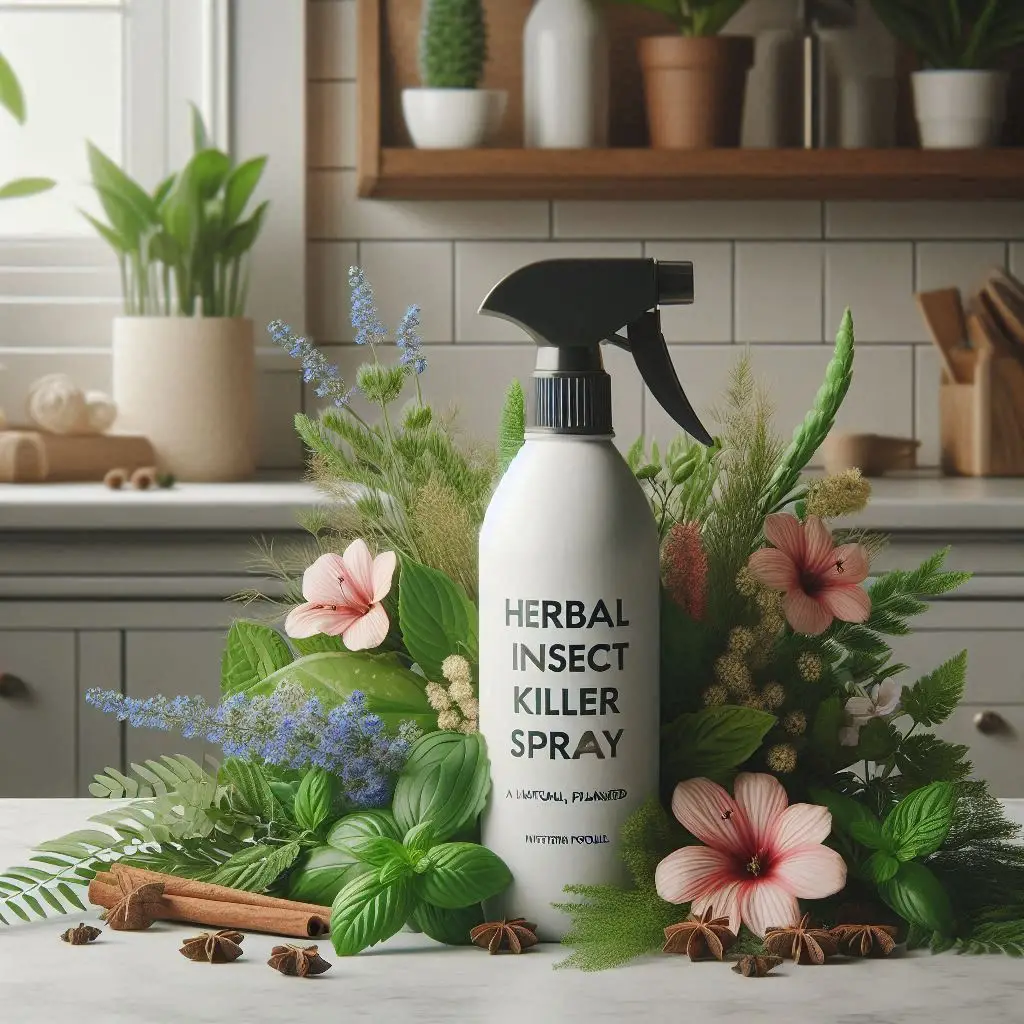
Herbal Spray vs Chemical Insect Spray
| Feature | Herbal Spray | Chemical Spray |
|---|---|---|
| Safety | High | Low |
| Smell | Natural | Harsh |
| Environmental Impact | Eco-friendly | Harmful |
| Child & Pet Safety | Safer | Risky |
| Long-Term Use | Safe | Not recommended |
This comparison shows why herbal sprays are becoming the preferred option.
Who Should Use Herbal Insect Killer Sprays?
- Families with children
- Pet owners
- People with allergies
- Eco-conscious homeowners
- Apartments and indoor spaces
- Kitchens and food storage areas
They are ideal for daily use and long-term insect prevention.
Herbal insect killer spray is a safe, natural, and effective solution for controlling household insects without exposing your family to harmful chemicals. While it may not provide instant results like chemical sprays, its long-term benefits, safety, and eco-friendly nature make it a smart choice for modern homes.
By understanding how herbal sprays work and using them correctly, you can maintain a clean, insect-free home in a healthier way. Consistency, proper placement, and realistic expectations are the keys to success.