
Humid environments are ideal breeding grounds for insects. Mosquitoes, flies, cockroaches, and even mold-loving ants thrive in areas with high moisture, making homes, offices, and outdoor spaces uncomfortable and unsafe. Traditional insect control methods often fail in humid conditions because moisture reduces the effectiveness of sprays and some devices, and chemicals may degrade faster.
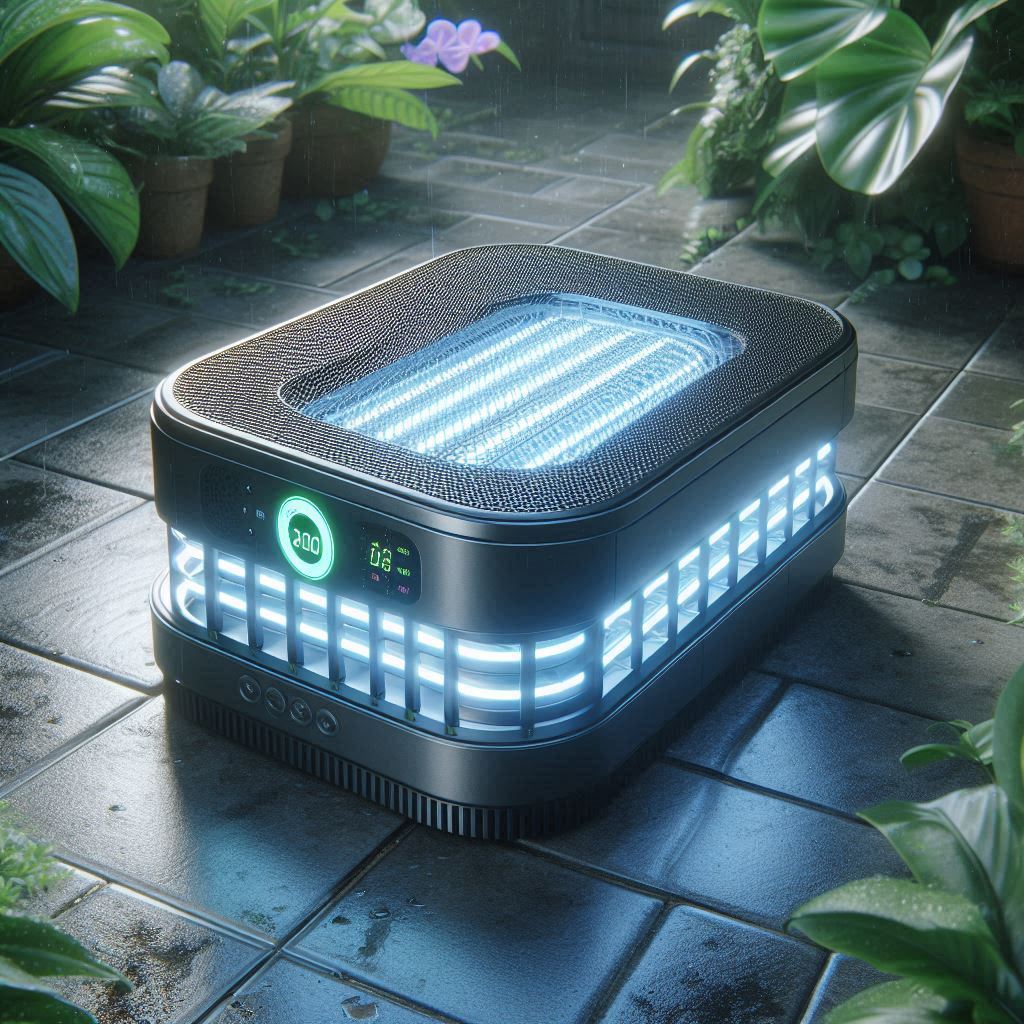
A specialized insect killer for humid areas is designed to handle these challenges. These devices provide safe, chemical-free, and long-lasting pest control even in the most moisture-prone locations. This article explores the best solutions, common problems, and practical strategies for controlling insects in humid areas.
Why Humid Areas Attract Insects
High humidity creates an ideal environment for insects to breed and survive. Key factors include:
- Standing water: Mosquitoes lay eggs in water accumulated in pots, drains, or balconies.
- Damp corners: Cockroaches and ants prefer moist cracks and crevices.
- Indoor humidity: Kitchens, bathrooms, and laundry areas often have higher moisture levels.
- Outdoor vegetation: Gardens and shrubs in humid climates increase insect activity.
Understanding these conditions is crucial for selecting the right insect killer.
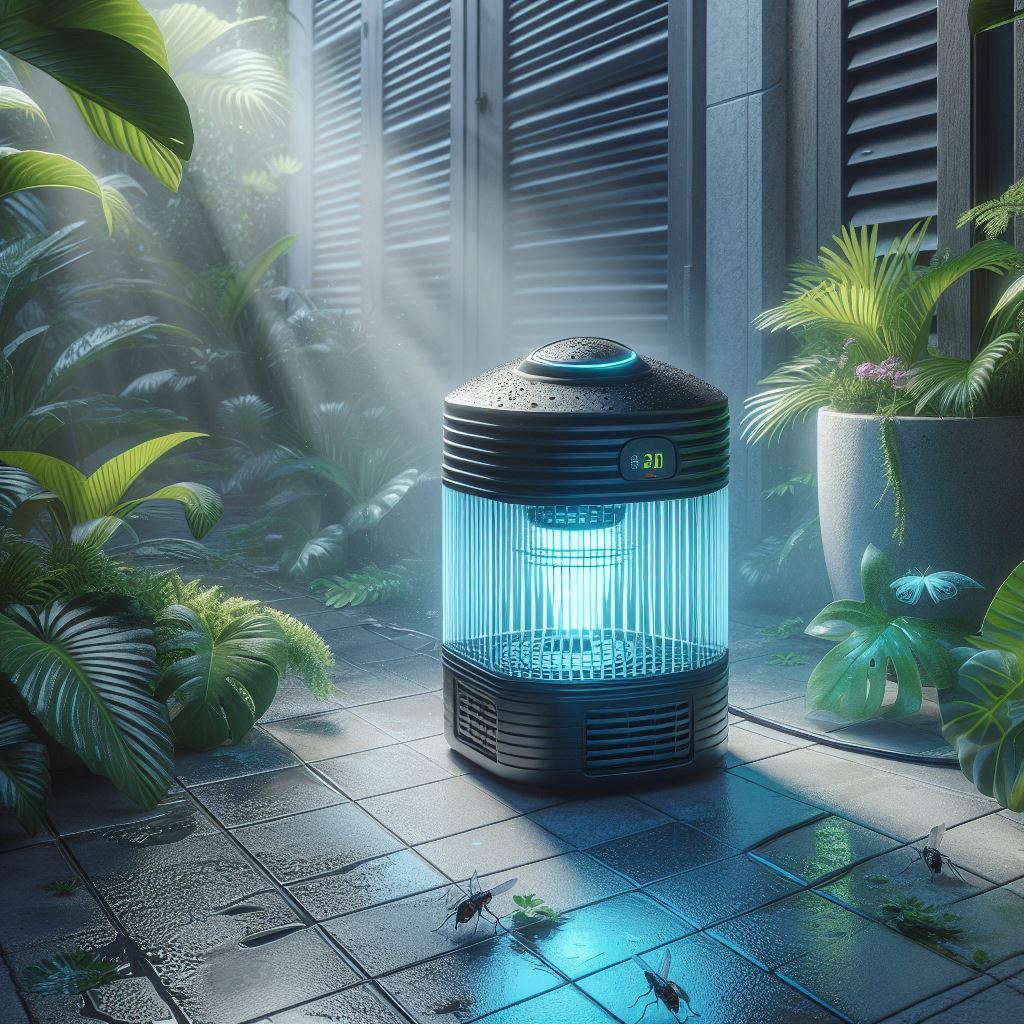
Challenges of Using Insect Killers in Humid Areas
Humid areas present unique problems for insect control:
1. Reduced Chemical Efficiency
- Sprays and gels may degrade faster due to moisture, reducing effectiveness.
2. Electrical Device Malfunction
- Traditional electric zappers or fans may corrode or short-circuit in damp conditions.
3. Rapid Insect Reproduction
- High humidity accelerates breeding cycles, making temporary solutions ineffective.
4. Safety Concerns
Types of Insect Killers for Humid Areas
1. Waterproof Electric Zappers
- Specially coated grids prevent corrosion from humidity.
- Ideal for kitchens, bathrooms, and covered patios.
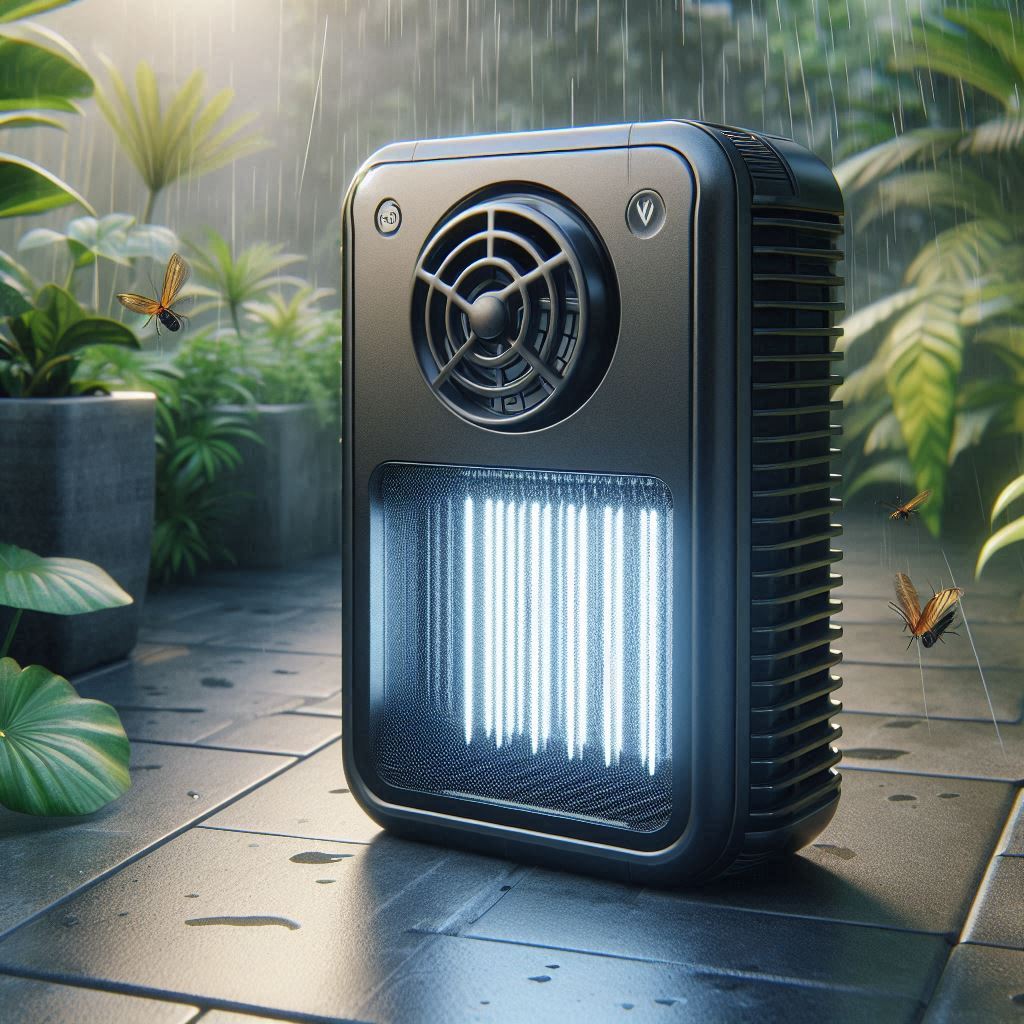
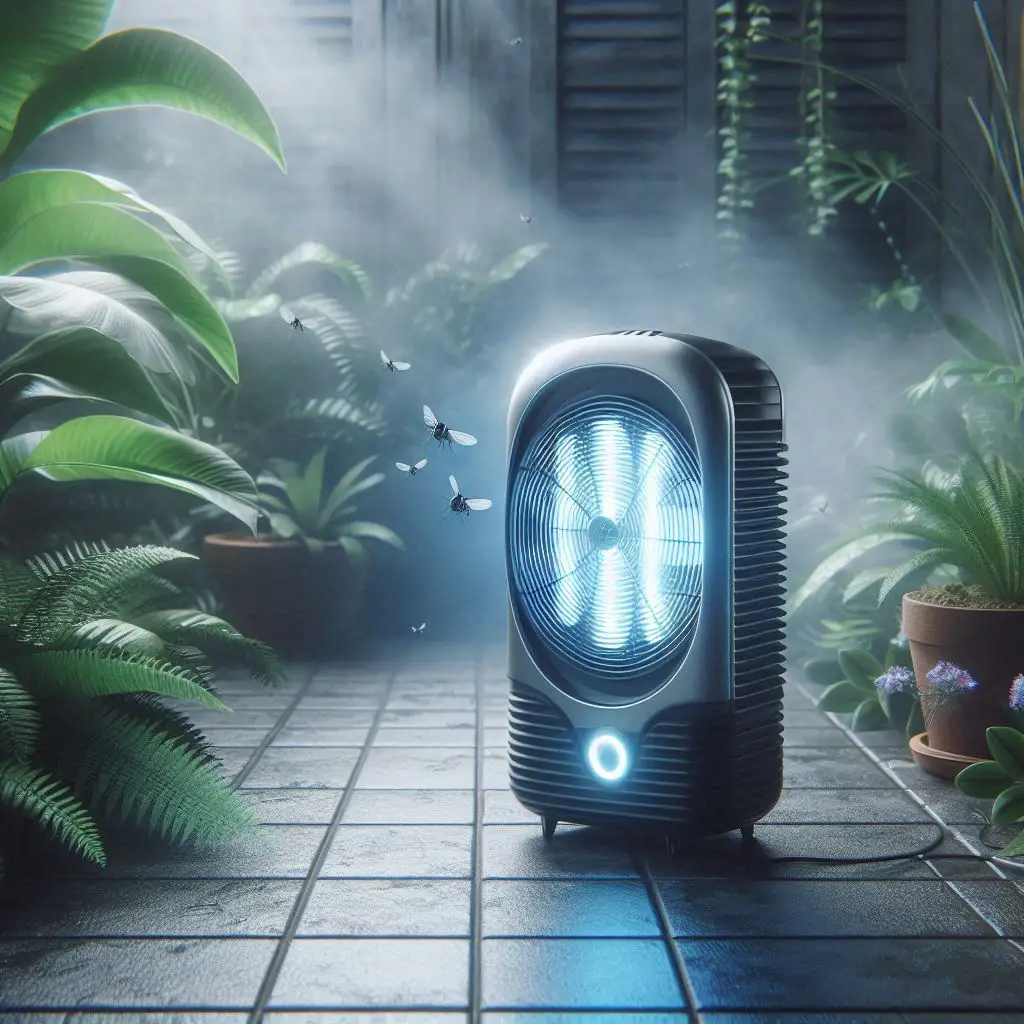
2. Fan-Trap Devices
- Silent and safe, they use airflow to trap insects without direct electrical contact with moisture.
3. Chemical-Free Gel or Sticky Traps
- Non-toxic and safe for areas with high moisture.
- Effective for crawling insects like ants and cockroaches.
4. Solar or Rechargeable Insect Killers
- Battery-powered or solar options avoid constant mains electricity exposure in damp areas.
- Can be moved and placed strategically where moisture is present.
How Insect Killers for Humid Areas Work
- Insect Attraction
- UV or LED lights attract flying insects.
- Sticky surfaces and baits attract crawling insects.
- Insect Elimination
- Electric grids, suction fans, or sticky traps kill or capture insects.
- Waterproof Design
- Materials and coatings prevent damage from humidity or occasional splashes.
- Portable Operation
- Rechargeable or solar-powered units allow flexible placement in bathrooms, kitchens, or outdoor humid areas.
Common Issues in Humid Areas (And Their Solutions)
Issue 1: “Device Corrosion or Malfunction”
Problem: High humidity can damage electronic devices.
Solution:
Choose devices with waterproof or anti-corrosion coatings. Keep devices elevated or in covered areas to avoid direct water contact.
Issue 2: “Rapid Insect Reinfestation
Problem: Insects breed faster in humid areas, leading to quick re-infestation.
Solution:
Use multiple devices simultaneously and combine with moisture control measures such as dehumidifiers or ventilation improvements.
Issue 3: “Sticky Traps Ineffective When Wet”
Problem: Humidity can reduce the stickiness of glue traps.
Solution:
Place traps in covered, dry areas and replace them regularly. Some traps are designed with humidity-resistant adhesives.
Issue 4: “Standing Water Breeding Mosquitoes”
Problem: Even after insect control, stagnant water encourages mosquito reproduction.
Solution:
- Empty water containers and flower pots regularly
- Use covered water tanks
- Apply mosquito larvae-safe treatments if necessary
Issue 5: “Safety Concerns with Electrical Devices”
Problem: Wet surfaces increase the risk of shock with electric zappers.
Solution:
- Use low-voltage or fan-trap devices
- Keep devices elevated and away from direct moisture
- Install ground-fault circuit interrupters (GFCI) if using plugged devices in bathrooms or kitchens
Advantages of Humidity-Resistant Insect Killers
- Durable: Designed to withstand moisture without malfunctioning
- Safe: Chemical-free options protect children, pets, and neighbors
- Long-Lasting: Continuous operation reduces frequent replacements
- Portable: Rechargeable or solar options allow flexible placement
- Silent: Fan-trap models are quiet, suitable for indoor use in bedrooms or offices
Tips for Using Insect Killers in Humid Areas Effectively
- Identify high-moisture zones: Bathrooms, kitchens, balconies, and laundry areas
- Combine strategies: Use zappers for flying insects and sticky traps or gels for crawling insects
- Regular cleaning: Maintain devices to prevent reduced efficiency due to moisture or insect debris
- Control moisture: Use ventilation, dehumidifiers, and avoid standing water
- Use multiple devices: For larger humid areas, multiple units ensure coverage
Choosing the Best Insect Killer for Humid Areas
- Waterproof or humidity-resistant design
- Safe for indoor use around children and pets
- Multiple attraction methods: UV light, sticky traps, or baits
- Portable and rechargeable options for flexible placement
- Ease of cleaning and maintenance
Future of Insect Killers for Humid Areas
- Smart sensors: Detect insect activity and adjust operation
- Hybrid solar + rechargeable units: Ideal for damp outdoor patios
- Humidity-resistant adhesives and coatings: For longer-lasting traps
- Multi-functional devices: Combining flying and crawling insect control
These innovations will make pest control in humid areas safer, more efficient, and more reliable.
Living in a humid environment makes insect control challenging. Specialized insect killers for humid areas—waterproof zappers, fan-traps, sticky traps, and rechargeable units—provide safe and effective solutions. Combining proper placement, moisture management, and multiple insect control strategies ensures long-term relief from mosquitoes, flies, cockroaches, and ants.
For anyone in humid climates, investing in humidity-resistant insect control devices is the key to a comfortable, safe, and insect-free living environment.