
Insects inside the home are a daily problem in many regions. Mosquitoes disturb sleep, flies contaminate food, and other flying insects make indoor spaces uncomfortable. Because of health concerns linked to chemical sprays and coils, many people now consider insect killer lamps as a safer alternative.
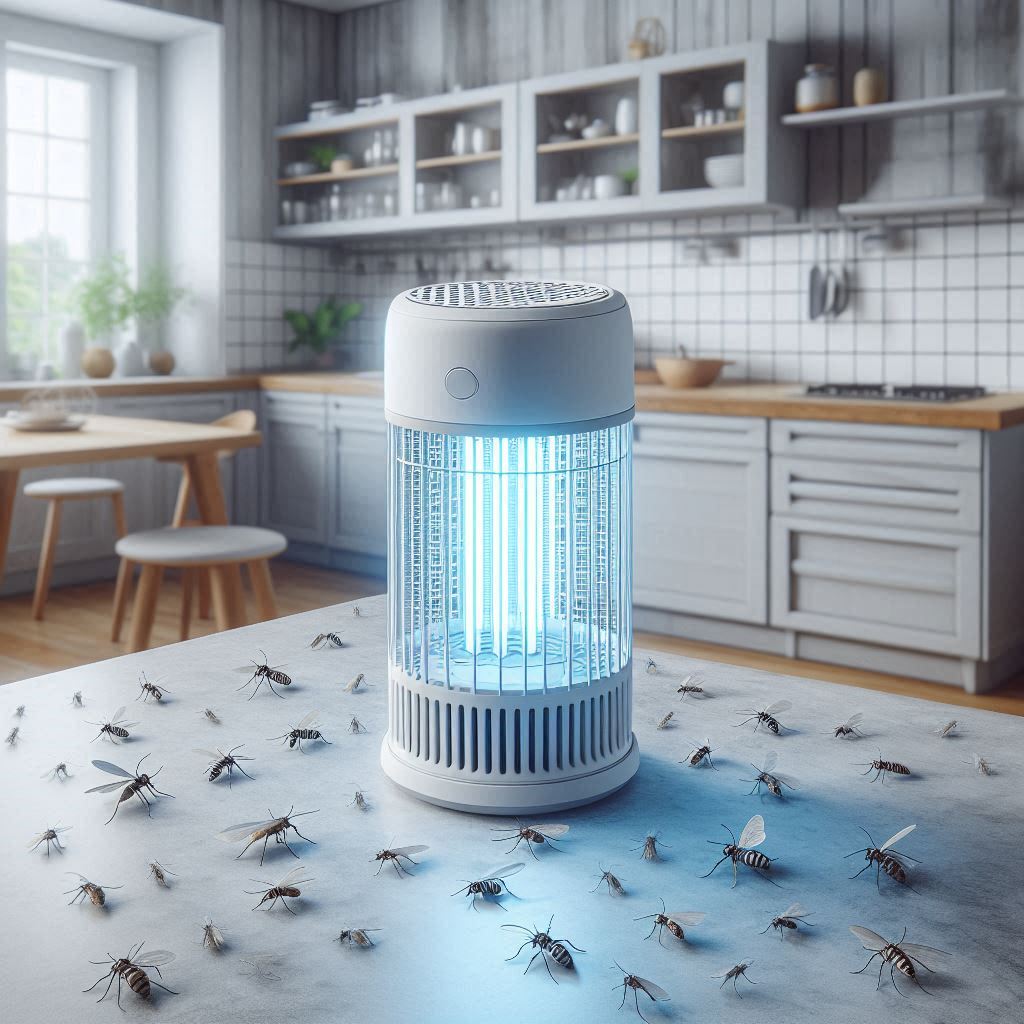
However, before buying one, it is important to understand both the advantages and disadvantages. Insect killer lamps are useful devices, but they are not perfect. This article explains how they work, their benefits, limitations, common problems, and practical solutions in simple, easy-to-understand language.
What Is an Insect Killer Lamp?
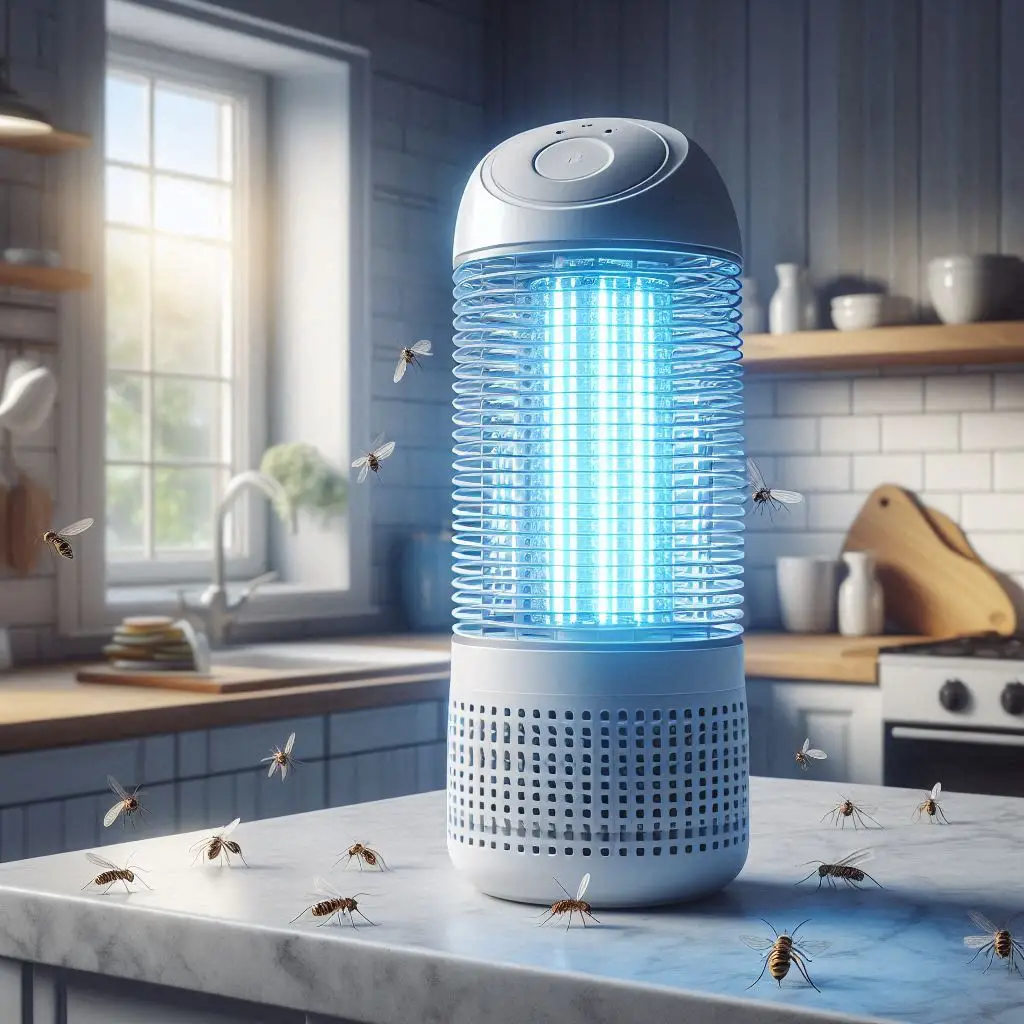
An insect killer lamp is an electric device that attracts flying insects using light, usually ultraviolet (UV). Once insects move toward the light, they are either killed by an electric grid or trapped using glue boards.
These lamps are commonly used in:
- Homes and apartments
- Kitchens and dining areas
- Restaurants and cafés
- Offices and shops
- Hospitals and clinics
How an Insect Killer Lamp Works
The working principle is based on insect behavior:
- The lamp emits UV or LED light.
- Flying insects are naturally attracted to the light.
- Insects enter the lamp area.
- They are killed instantly or trapped inside the device.
This process continues automatically as long as the lamp is powered.
Pros of Insect Killer Lamps
1. Chemical-Free Insect Control
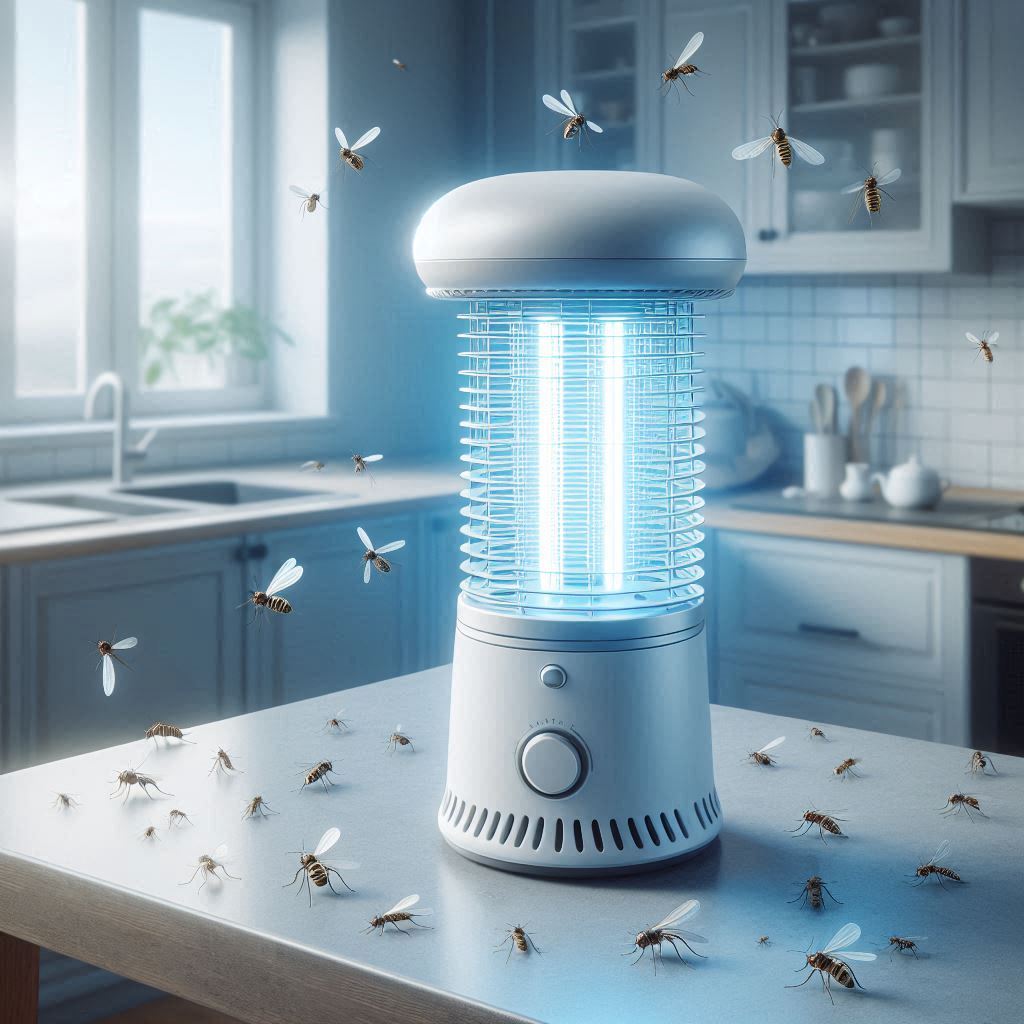
One of the biggest advantages of insect killer lamps is that they do not use chemicals. This makes them safer than sprays, coils, and vaporizers, especially in closed rooms.
Why this matters:
No toxic fumes, no breathing issues, and no lingering smell.
2. Safe for Indoor Use
Most modern insect killer lamps are designed with protective covers that prevent direct contact with electric grids. When used properly, they are safe for homes with children and pets.
3. Continuous Protection
Unlike sprays that work for a limited time, insect killer lamps provide 24/7 protection. Once plugged in, they work continuously without any extra effort.
4. Low Maintenance
Maintenance is simple:
- Clean the tray occasionally
- Replace UV bulbs when needed
- Change glue boards if used
There is no need for daily refilling or spraying.
5. Cost-Effective in the Long Term
Although the initial cost may be higher, insect killer lamps save money over time by reducing the need for sprays, coils, and professional pest control services.
6. Quiet Operation (Glue Board Models)
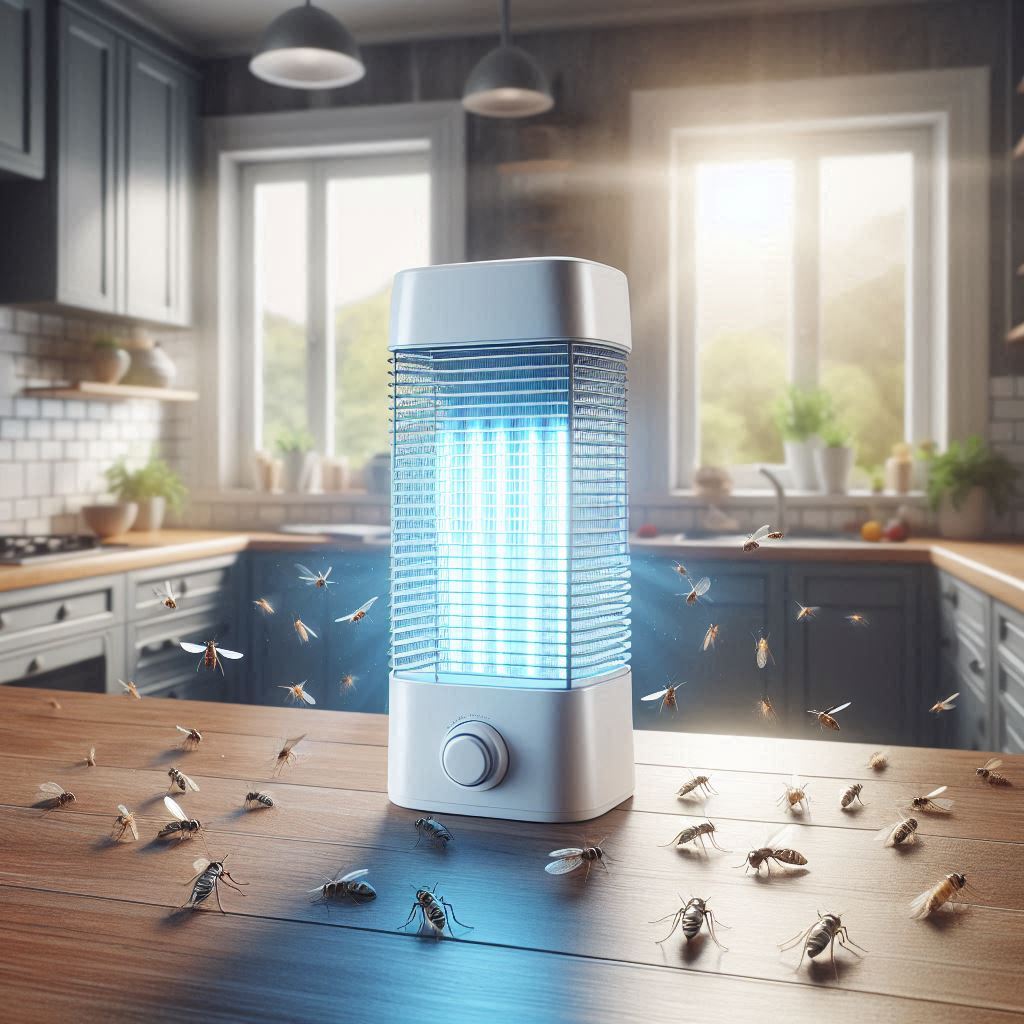
Some insect killer lamps operate silently, making them suitable for bedrooms and study rooms.
Cons of Insect Killer Lamps
1. Limited Effectiveness Against Mosquitoes
Insect killer lamps work better on flies and moths than mosquitoes. Mosquitoes prefer human body heat and carbon dioxide over light.
This is a common misunderstanding among buyers.
2. Placement Sensitivity
Incorrect placement reduces effectiveness. If the lamp is near bright lights or windows, insects may ignore it.
3. Noise in Electric Grid Models
Electric zapper-style lamps produce a popping sound when insects are killed. Some people find this disturbing, especially at night.
4. Requires Regular Cleaning
Dead insects can accumulate inside the lamp. Without regular cleaning, hygiene and performance may decline.
5. UV Bulb Replacement Cost
UV bulbs lose their attraction power over time and need replacement every few months, adding a small maintenance cost.
New Issues People Face with Insect Killer Lamps (And Solutions)
Issue 1: “The Lamp Is On, But Insects Are Still Around”
Cause:
Poor placement or strong competing light sources.
Solution:
- Place the lamp in darker areas
- Keep it away from windows
- Position it 5–7 feet above the floor
Issue 2: Mosquito Bites Continue at Night
Cause:
Mosquitoes prefer humans over UV light.
Solution:
- Use the lamp away from beds
- Turn it on early in the evening
- Combine with window screens or fans
Issue 3: Safety Concerns for Children
Cause:
Low-quality or open-grid designs.
Solution:
- Choose enclosed lamp designs
- Mount the lamp out of reach
- Buy certified products only
Issue 4: Strong Smell from Burnt Insects
Cause:
Electric grid lamps burn insects instantly.
Solution:
- Choose glue board insect killer lamps
- Clean trays frequently
Issue 5: Reduced Performance Over Time
Cause:
Old UV bulbs or dirty grids.
Solution:
- Replace UV bulbs every 6–12 months
- Clean the lamp weekly
Insect Killer Lamp vs Chemical Sprays
| Feature | Insect Killer Lamp | Chemical Sprays |
|---|---|---|
| Chemicals | No | Yes |
| Continuous protection | Yes | No |
| Odor | None | Strong |
| Child safety | Higher | Lower |
| Long-term cost | Lower | Higher |
Best Places to Use Insect Killer Lamps
- Living rooms
- Bedrooms (silent models)
- Kitchens (glue board type)
- Offices
- Restaurants
Avoid outdoor use unless the lamp is designed for outdoor conditions.
Who Should Buy an Insect Killer Lamp?
Insect killer lamps are ideal for:
- Families with children
- Homes with pets
- People sensitive to chemical smells
- Users wanting long-term indoor protection
They are not a complete solution for heavy mosquito infestations but work well as part of a broader pest control approach.
Final Verdict: Are Insect Killer Lamps Worth It?
Insect killer lamps offer a safe, eco-friendly, and convenient way to control indoor flying insects. While they have limitations, most problems can be solved with correct placement, regular maintenance, and realistic expectations.
For homes looking to reduce chemical use and improve indoor comfort, insect killer lamps are definitely worth considering.
Understanding both the pros and cons of insect killer lamps helps you make an informed decision. They are not magic devices, but when used correctly, they provide consistent and safe insect control.
Choose the right model, place it correctly, and maintain it regularly—and you will see reliable results.