
Insect killer lamps are now common in homes, offices, restaurants, and hospitals. People use them to control mosquitoes, flies, and other flying insects without sprays or strong chemicals. However, many buyers still ask an important question:
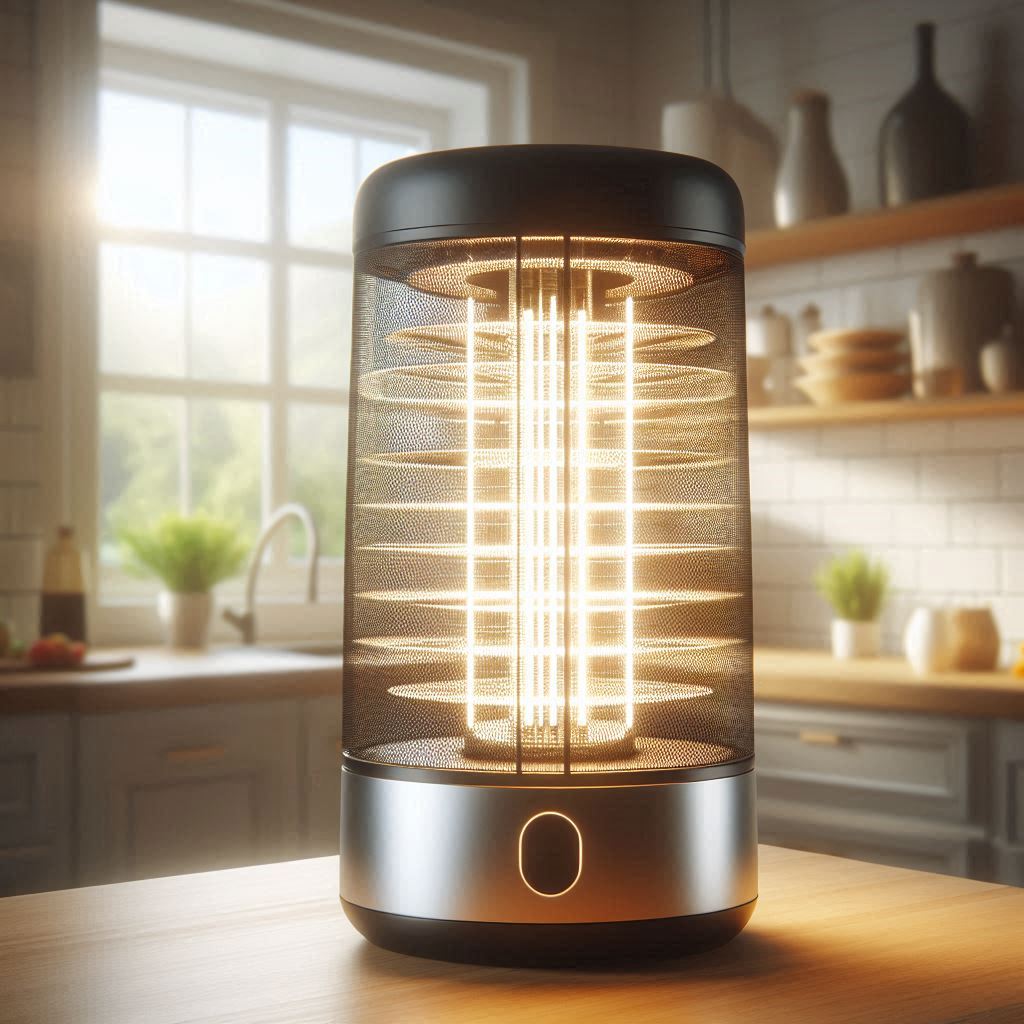
Are insect killer lamps safe for humans?
This concern is valid. Any device that uses electricity, light, or ultraviolet (UV) radiation naturally raises questions about health and safety. This article explains how insect killer lamps work, whether they are safe for humans, common risks, modern safety improvements, and how to use them correctly at home.
What Is an Insect Killer Lamp?
An insect killer lamp is an electric device designed to attract and eliminate flying insects. Most models use UV light or low-intensity LED light to attract insects. Once insects approach the lamp, they are either:
- Killed instantly by an electric grid, or
- Trapped inside using glue boards or enclosed chambers
These lamps are mainly used indoors and are considered an alternative to chemical insect control.
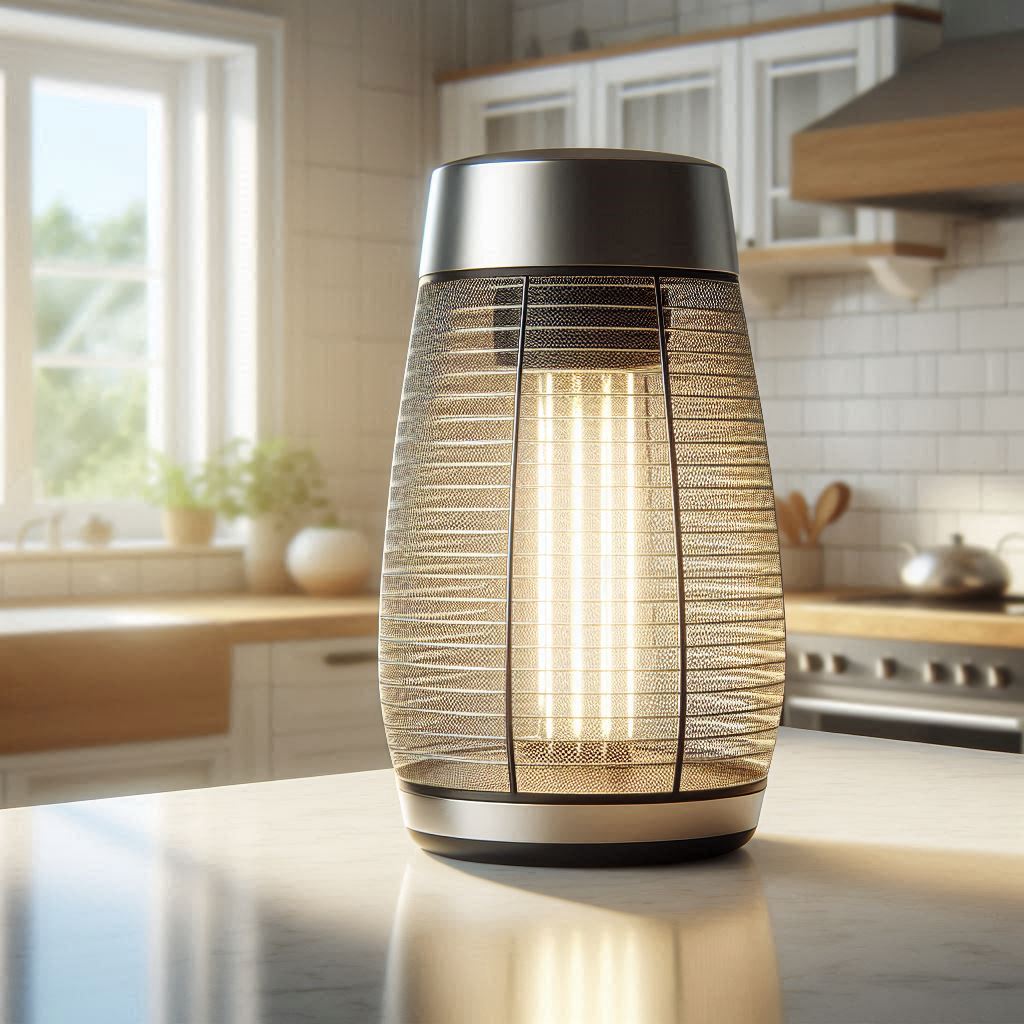
How Insect Killer Lamps Work (In Simple Terms)
The process is straightforward:
- The lamp emits UV or LED light
- Flying insects are attracted to the light
- Insects enter the lamp area
- They are killed or trapped
- Dead insects are collected inside the unit
The device runs continuously while plugged in.
Are Insect Killer Lamps Safe for Humans?
The Short Answer
Yes, modern insect killer lamps are generally safe for humans when used correctly and when good-quality products are chosen.
However, safety depends on:
- Lamp design
- UV exposure level
- Placement
- User behavior
Let’s break this down in detail.
Understanding UV Light and Human Safety
Most insect killer lamps use UVA light, not UVB or UVC.
Why This Matters
- UVA is the weakest form of UV radiation
- It is commonly used in bug traps and is not strong enough to damage skin or eyes during normal indoor exposure
- It is very different from harmful medical or industrial UV sources
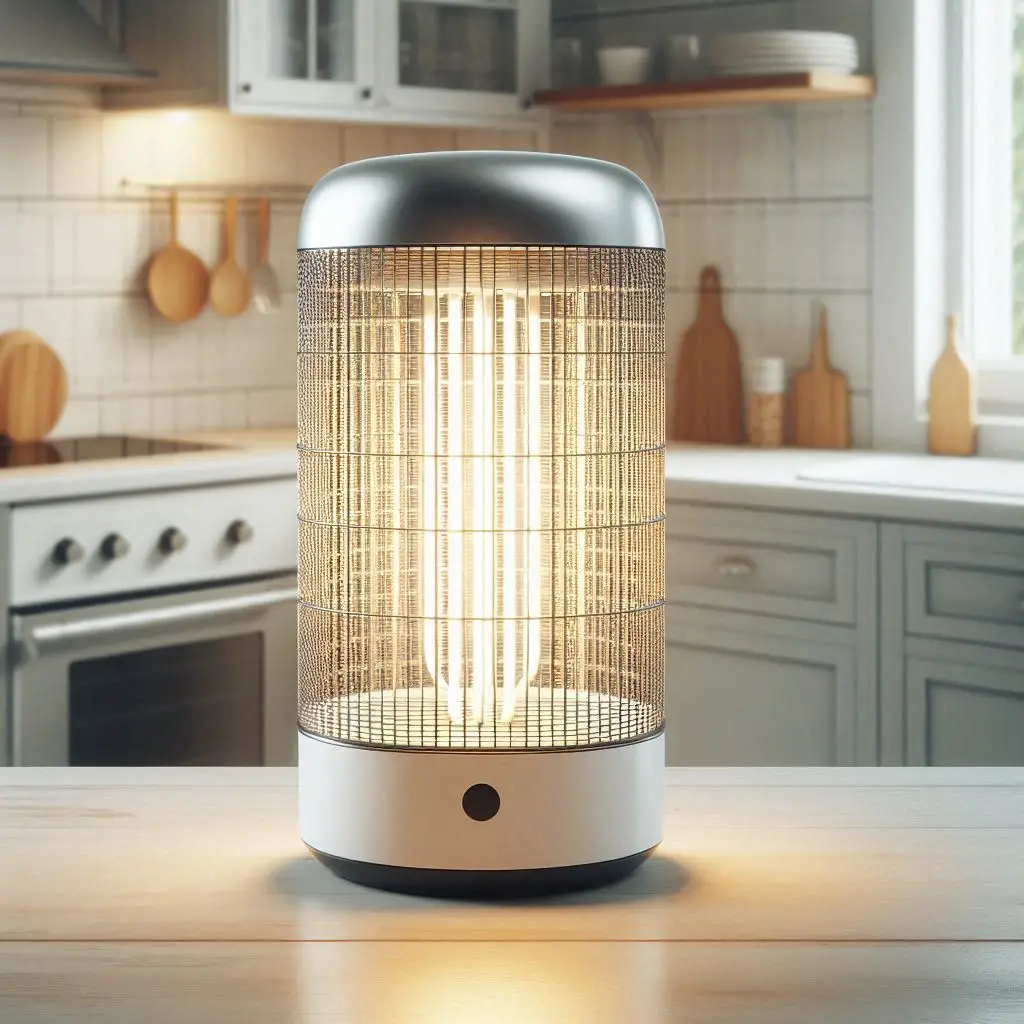
Reputable manufacturers design insect killer lamps so UV light stays inside the unit, minimizing human exposure.
Key Safety Features in Modern Insect Killer Lamps
1. Protective Outer Casing
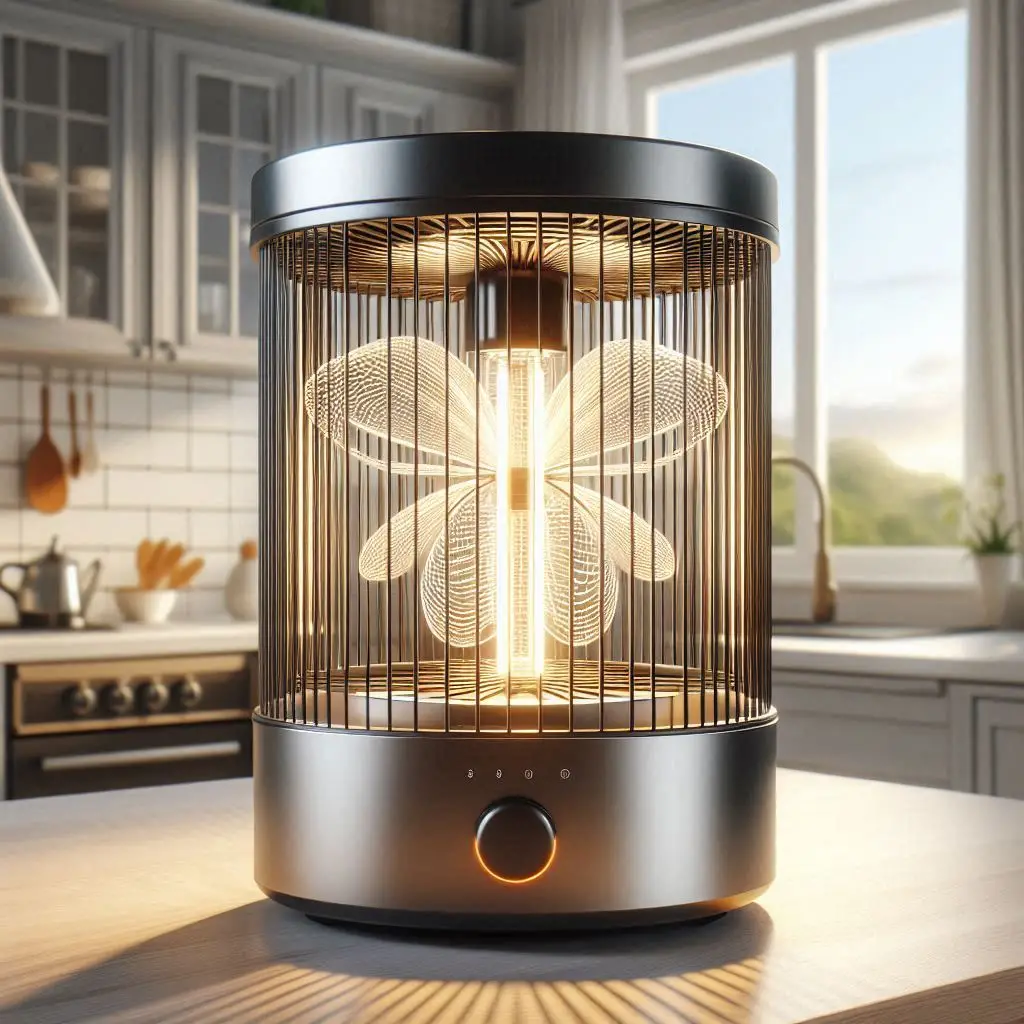
Most lamps have a plastic or metal grill that prevents hands from touching electric grids.
2. Enclosed UV Source
The UV tube is placed inside the housing, reducing direct eye exposure.
3. Low Voltage Design
Many indoor lamps use low-voltage electricity, reducing shock risk.
4. Silent or No-Spark Models
Glue-board lamps eliminate sparks completely, increasing safety in bedrooms and kitchens.
Benefits of Insect Killer Lamps for Human Health
1. No Harmful Chemicals
Sprays and coils release toxins that can irritate lungs and trigger allergies. Insect killer lamps avoid this completely.
2. No Indoor Air Pollution
Lamps do not produce smoke, fumes, or odors.
3. Suitable for Sensitive People
They are better for:
- Children
- Elderly people
- Asthma patients
- Pregnant women (with proper placement)
New Safety Concerns People Have (And Clear Solutions)
Issue 1: “Can UV Light Damage Eyes?”
Reality:
Direct, long-term exposure to strong UV can harm eyes, but insect killer lamps use low-intensity UVA, and exposure is minimal.
Solution:
- Do not stare directly at the lamp for long periods
- Place lamps above eye level
- Choose enclosed designs
Issue 2: Fear of Electric Shock
Cause:
Cheap or poorly designed products.
Solution:
- Buy certified, branded insect killer lamps
- Avoid open-grid designs for homes
- Keep lamps out of reach of children
Issue 3: Concerns About Burnt Insect Smell
Cause:
Electric grid lamps burn insects instantly.
Solution:
- Clean trays regularly
- Choose glue-board lamps for bedrooms
- Ensure proper ventilation
Issue 4: Using Insect Killer Lamps in Bedrooms
Some people worry about sleeping with the lamp on.
Solution:
- Use silent glue-board or low-watt UV lamps
- Place lamps away from beds
- Turn on the lamp before sleeping to reduce insect activity
Issue 5: Safety Around Pets
Pets are curious and may touch devices.
Solution:
- Choose lamps with protective outer grills
- Avoid floor placement
- Mount lamps on walls or place on shelves
Insect Killer Lamp vs Chemical Insect Control (Safety Comparison)
| Feature | Insect Killer Lamp | Spray / Coil |
|---|---|---|
| Chemicals | No | Yes |
| Indoor air quality | Clean | Polluted |
| Child safety | Higher | Lower |
| Long-term exposure risk | Low | Moderate to High |
| Continuous use | Yes | No |
From a health perspective, insect killer lamps are safer for daily indoor use.
Best Practices for Safe Use at Home
To ensure maximum safety:
- Place the lamp 5–7 feet above ground
- Keep it away from direct human contact
- Avoid placing near beds or dining tables
- Clean the lamp regularly
- Replace UV bulbs as recommended
- Use indoor-rated models only
Who Should Use Insect Killer Lamps?
Insect killer lamps are suitable for:
- Homes with children
- Apartments and flats
- Offices and shops
- Restaurants and food areas (glue-board type)
- People avoiding chemical insecticides
They should not be treated as a medical or disease-prevention device, but as a supportive insect control tool.
Are There Any Situations Where Extra Care Is Needed?
Yes. Extra caution is advised:
- Around infants (place lamps higher)
- In very small rooms (use low-watt models)
- When buying unbranded products
Avoid placing lamps close to food preparation surfaces.
Final Verdict: Are Insect Killer Lamps Safe for Humans?
When used correctly, insect killer lamps are safe for humans and often safer than chemical alternatives. Most risks come from improper placement or low-quality products, not from the technology itself.
With modern safety designs, low UV exposure, and chemical-free operation, insect killer lamps are a practical choice for indoor insect control.
Insect killer lamps provide a balanced solution between effectiveness and safety. They reduce insects without harming indoor air quality or exposing people to toxic chemicals. Understanding how they work and following basic safety guidelines ensures a healthy and comfortable home environment.
If you want a safer way to control insects indoors, an insect killer lamp—used responsibly—is a reliable option.