

Insect control is no longer a luxury—it is a necessity for healthy living. Mosquitoes, flies, ants, and cockroaches not only cause discomfort but also spread diseases and contaminate food. When people start looking for insect killers, the first question usually is: How much should I spend?
The market is full of options ranging from very cheap sticky traps to advanced electric and smart devices. A proper insect killer price comparison helps buyers avoid wasting money on ineffective products and choose a solution that fits both their budget and living conditions.
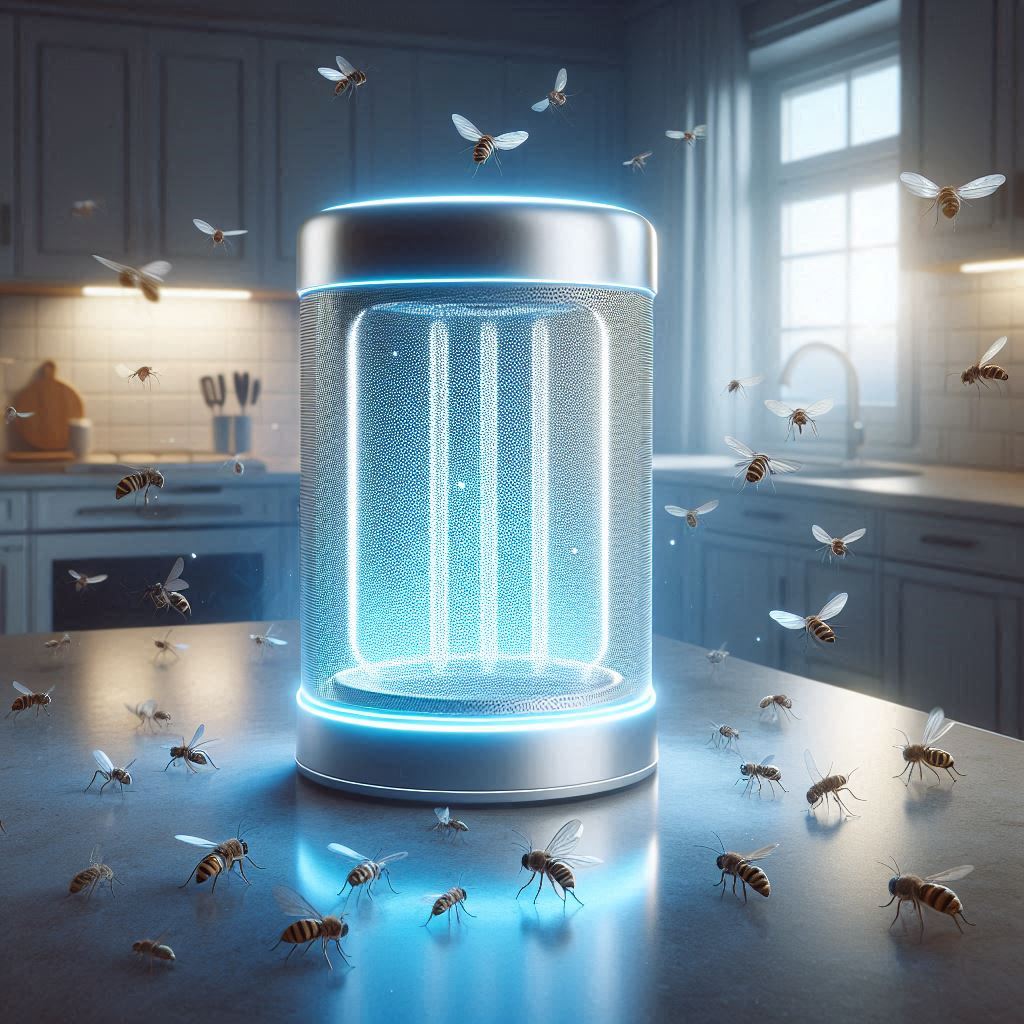
This article explains different price ranges, what you get at each level, common buyer mistakes, and how to solve new issues related to modern insect control.
Why Price Comparison Matters in Insect Killers
Many people assume that higher price always means better performance. This is not always true. In insect control:
- Some low-cost devices work perfectly for small rooms
- Some expensive devices are overkill for apartments
- Wrong product choice leads to poor results, regardless of price
Price comparison helps you:
- Match the product with your space and insect type
- Avoid unnecessary features
- Get maximum value for money
Main Categories of Insect Killers by Price
1. Low-Budget Insect Killers (Under $20)
These are basic solutions designed for light insect problems.
Common products:
- Sticky traps and glue boards
- Ant and cockroach bait traps
- Manual fly swatters
- Basic chemical sprays
Pros:
- Very affordable
- No electricity required
- Easy to find anywhere
Cons:
- Limited coverage
- Frequent replacement needed
- Chemical sprays may be unsafe indoors
Best for:
Small kitchens, temporary problems, crawling insects like ants.
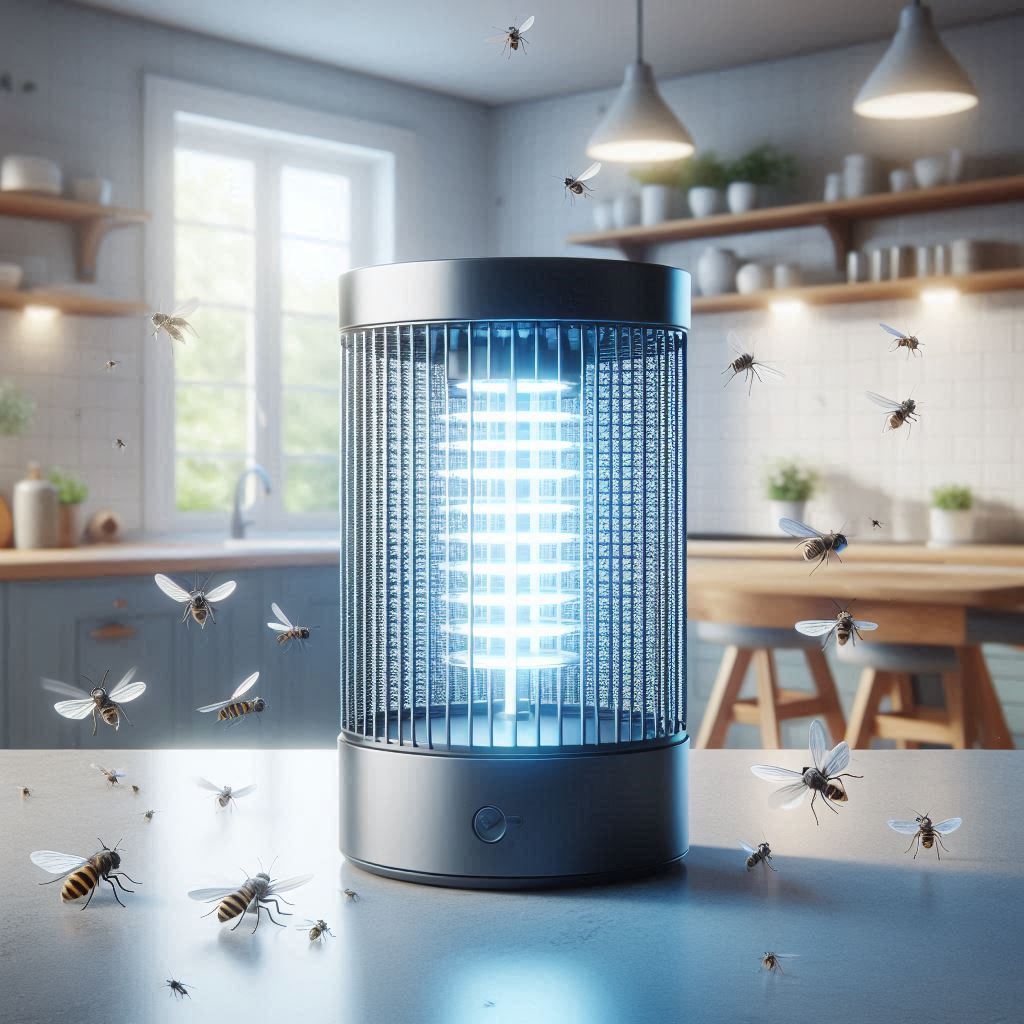
2. Budget-Friendly Devices ($20 – $50)
This is the most popular price range and offers the best balance.
Common products:
- Electric bug zappers
- USB or rechargeable insect killers
- Fan-based mosquito traps
- Indoor fly killers
Pros:
- Chemical-free options available
- Suitable for apartments and homes
- Low power consumption
- Better durability
Cons:
- Limited range for large spaces
- Some devices produce noise
Best for:
Apartments, bedrooms, small living rooms, daily mosquito control.
3. Mid-Range Insect Killers ($50 – $100)
These devices offer stronger performance and wider coverage.
Common products:
- Large electric zappers
- Outdoor insect killers
- Multi-room mosquito traps
- Combination devices (UV + fan)
Pros:
- Larger coverage area
- More durable materials
- Better attraction technology
Cons:
- Higher upfront cost
- May consume more power
Best for:
Houses, balconies, gardens, offices, humid environments.
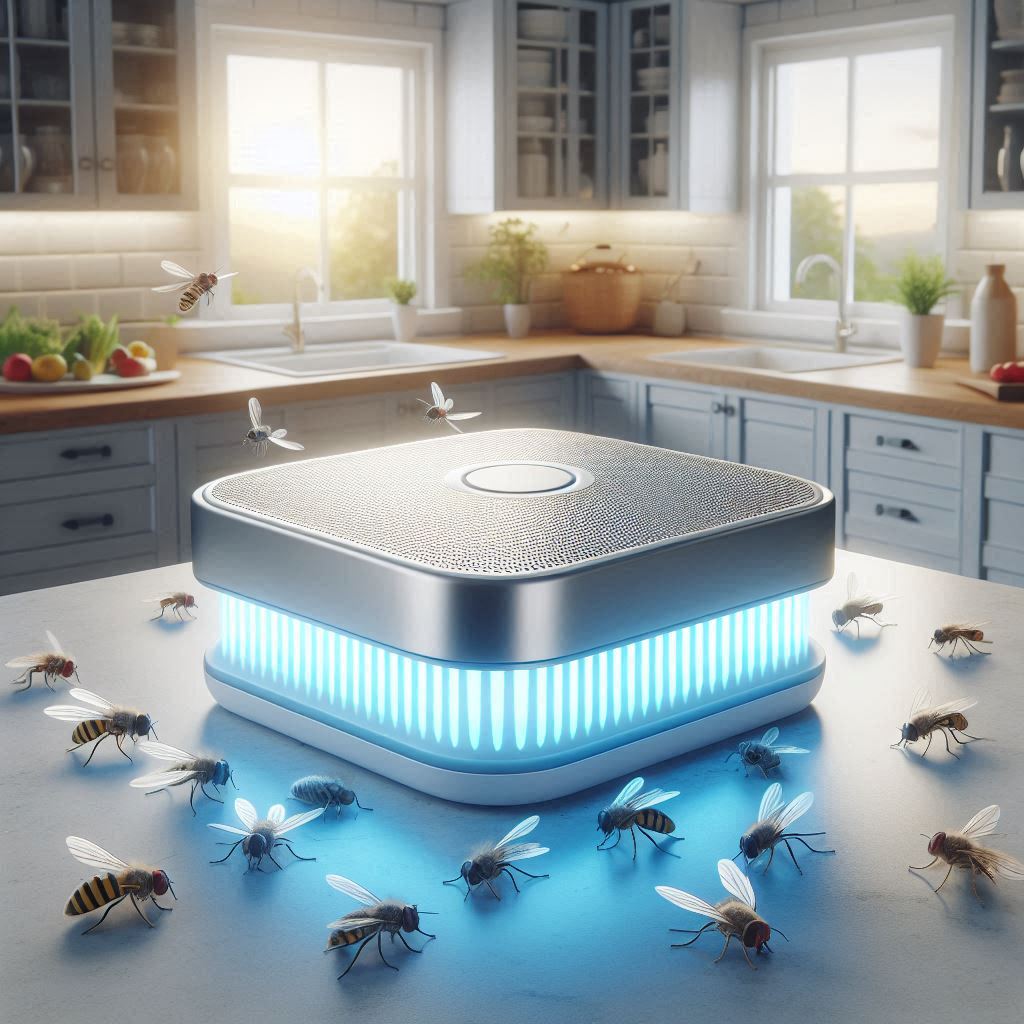
4. Premium and Smart Insect Killers ($100+)
These are advanced solutions designed for long-term control.
Common products:
- Smart insect killers with sensors
- CO₂ mosquito traps
- Professional-grade pest devices
Pros:
- Very high effectiveness
- Minimal maintenance
- Smart automation
Cons:
- Expensive
- Not necessary for normal homes
Best for:
Large properties, severe mosquito problems, commercial use.
Price vs Effectiveness: What Really Matters
Price alone does not determine effectiveness. The following factors matter more:
1. Type of Insect
- Flying insects need light-based or fan-based devices
- Crawling insects need bait or sticky traps
2. Area Size
- Small rooms need compact devices
- Large areas need higher-powered units
3. Indoor vs Outdoor Use
- Indoor devices must be silent and safe
- Outdoor devices need weather resistance
Common Buyer Issues (And Smart Solutions)
Issue 1: “Cheap Product Didn’t Work”
Problem: Wrong device type chosen.
Solution:
Match the device to the insect. A fly trap won’t solve a cockroach problem.
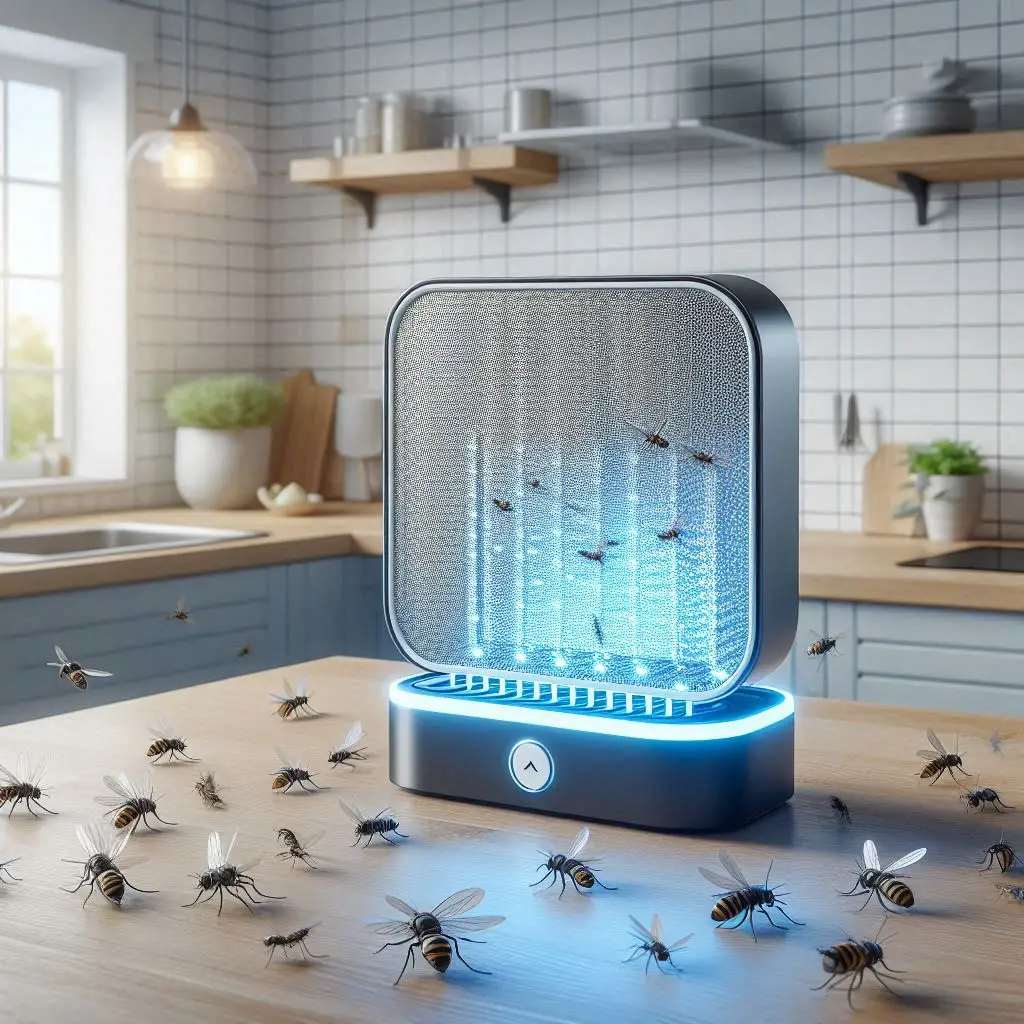
Issue 2: “Expensive Device Was Unnecessary”
Problem: Overbuying features not needed.
Solution:
For apartments, mid-range or budget devices are usually enough.
Issue 3: “High Running Cost”
Problem: Devices consume too much electricity.
Solution:
Choose USB, rechargeable, or LED-based insect killers.
Issue 4: “Chemical Smell or Health Issues”
Problem: Cheap sprays cause irritation.
Solution:
Switch to chemical-free electric or fan-based solutions.
Issue 5: “Multiple Insects, One Device Not Enough”
Problem: One device can’t handle all insects.
Solution:
Use a combination approach:
- Electric zapper for flying insects
- Sticky or bait traps for crawling insects
Hidden Costs to Consider in Price Comparison
Many buyers ignore long-term costs.
Replacement Parts
- Bulbs
- Sticky boards
- Bait refills
Electricity Usage
- Old models consume more power
- New LED models are energy efficient
Maintenance
- Cleaning trays
- Replacing traps
Sometimes a slightly higher-priced product is cheaper in the long run.
Best Price Range for Different Living Situations
Apartments
- Ideal price: $20 – $50
- Best choice: USB or fan-based insect killers
Houses
- Ideal price: $50 – $100
- Best choice: Larger electric zappers + traps
Bedrooms
- Ideal price: $25 – $60
- Best choice: Silent mosquito traps
Kitchens
- Ideal price: $10 – $40
- Best choice: Fly traps + ant bait
New Trends Affecting Insect Killer Prices
- Rechargeable batteries reduce long-term cost
- Energy-efficient LEDs lower electricity bills
- Multi-function devices reduce need for multiple products
- Eco-friendly demand increases value of chemical-free devices
Prices may vary, but value is improving.
How to Make the Best Buying Decision
Before buying, ask yourself:
- What insects am I dealing with?
- How large is the area?
- Indoor or outdoor use?
- Noise sensitivity?
- Children or pets at home?
Answering these questions matters more than price alone.
An effective insect killer price comparison is about understanding value, not just cost. Cheap products work well for small problems, while mid-range devices offer the best balance for most homes. Expensive solutions are only necessary for large or severe infestations.
By choosing the right type, understanding hidden costs, and matching the device to your environment, you can achieve reliable insect control without overspending.