
For pet owners, keeping insects under control is not just about comfort—it is about safety. Dogs, cats, birds, and other household pets are naturally curious. They sniff floors, lick surfaces, and spend most of their time close to areas where insect killers are commonly used. This makes choosing an insect killer safe for pets extremely important.
Many traditional insect killers work fast but rely on strong chemicals that can cause serious problems for animals. Because of this, more homeowners are now looking for pet‑safe insect control methods that work effectively without exposing pets to harmful substances. This article explains how pet‑safe insect killers work, which options are available today, and how to use them correctly at home.
Why Pet Safety Matters in Insect Control
Pets react differently to chemicals than humans. Their smaller body size, sensitive skin, and grooming habits increase the risk of exposure. Even products labeled as “safe” for humans can be dangerous for animals.
Common problems pets face from unsafe insect killers include:
- Skin rashes and irritation after contact
- Vomiting or stomach upset if surfaces are licked
- Breathing issues caused by strong fumes
- Long‑term health risks from repeated exposure
Cats are especially sensitive to certain ingredients, while dogs are more likely to ingest chemicals by licking floors or paws. This makes careful product selection essential.
What Makes an Insect Killer Safe for Pets
A pet‑safe insect killer avoids ingredients that are known to be toxic to animals. Instead of attacking insects through poisonous chemicals, these products use safer methods such as natural repellents, physical control, or targeted technology.
Key characteristics of insect killers safe for pets include:
- Low or no toxicity
- No strong chemical fumes
- Clear labeling for pet safety
- Designed for indoor use
- Minimal residue after application
Safe does not mean careless. Even pet‑friendly products must be used as directed to avoid unnecessary exposure.
Common Insects That Need Pet‑Safe Control
Most homes with pets face the same insect problems as any other household. The difference is how those insects are managed.
Mosquitoes
Mosquito bites irritate pets and can transmit diseases. Pet‑safe mosquito control focuses on repelling rather than poisoning.
Ants
Ants often gather near pet food bowls. Safe ant control breaks scent trails instead of using toxic bait.
Flies
Flies spread bacteria and disturb pets. Non‑toxic fly control relies on traps and physical deterrents.
Cockroaches
Roaches hide in areas pets often rest. Pet‑safe solutions target cracks and hiding spots without contaminating open spaces.
Types of Insect Killers Safe for Pets
1. Plant‑Based Insect Sprays
These sprays use natural oils such as peppermint, citronella, neem, or lemongrass.
How they work: They repel insects by interfering with their sense of smell.
Best for: Mosquitoes, ants, flies
Why they are pet‑safe: They do not contain nerve toxins or harsh chemicals when used properly.
2. Food‑Grade Diatomaceous Earth
This natural powder kills insects through physical action rather than poison.
How it works: It damages the insect’s outer shell, causing dehydration.
Best for: Ants, cockroaches, crawling insects
Pet safety note: Only food‑grade versions should be used, and application should be light and controlled.
3. Pet‑Safe Insect Traps
Traps reduce insect populations without releasing chemicals into the air.
Examples include:
- Sticky traps
- Natural bait traps
- Light‑based fly traps
Best for: Flies, ants, roaches
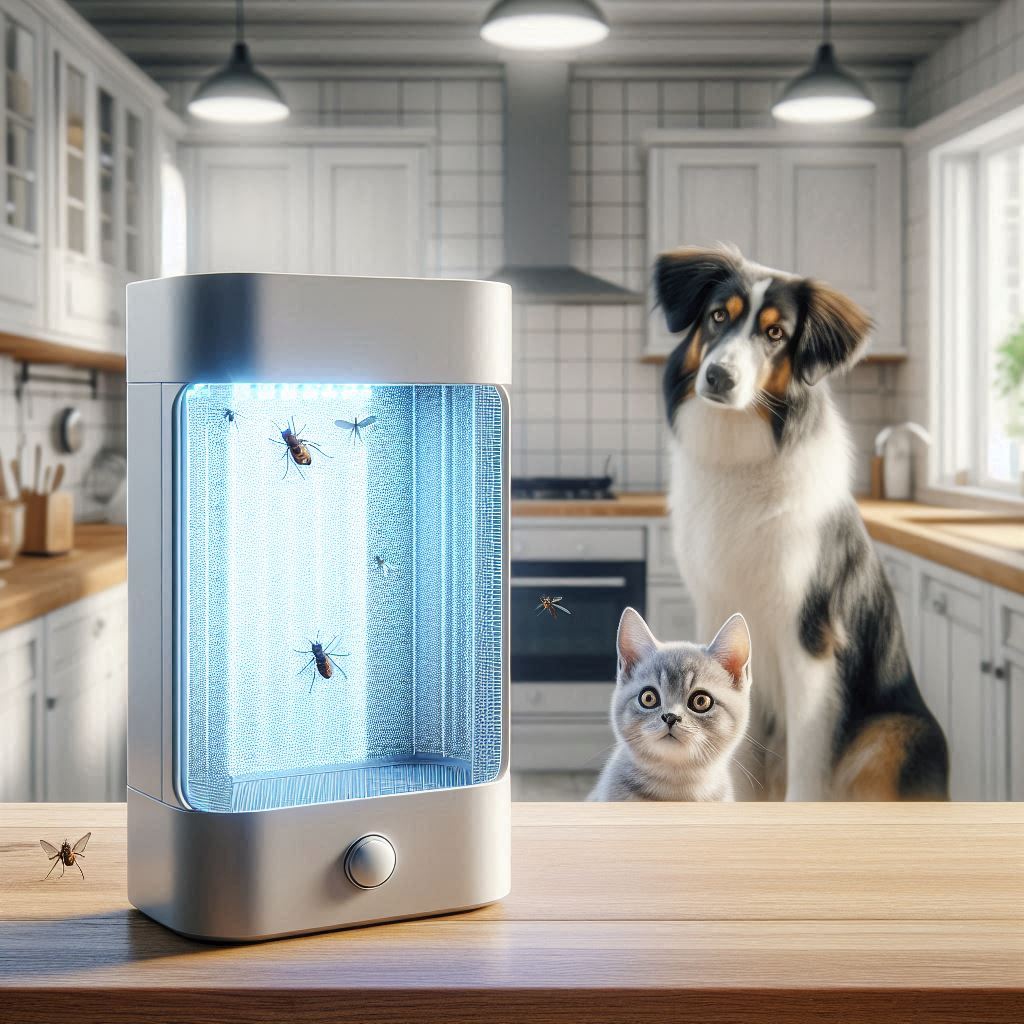
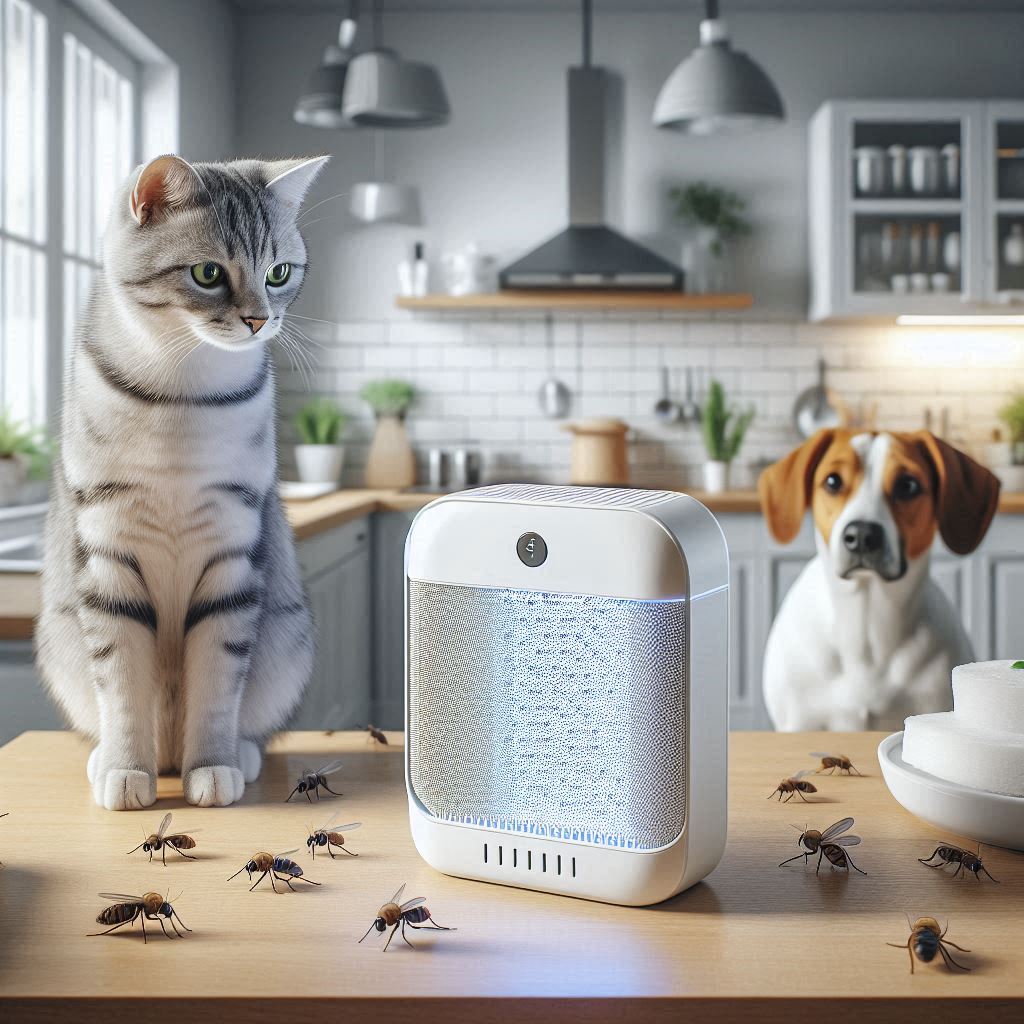
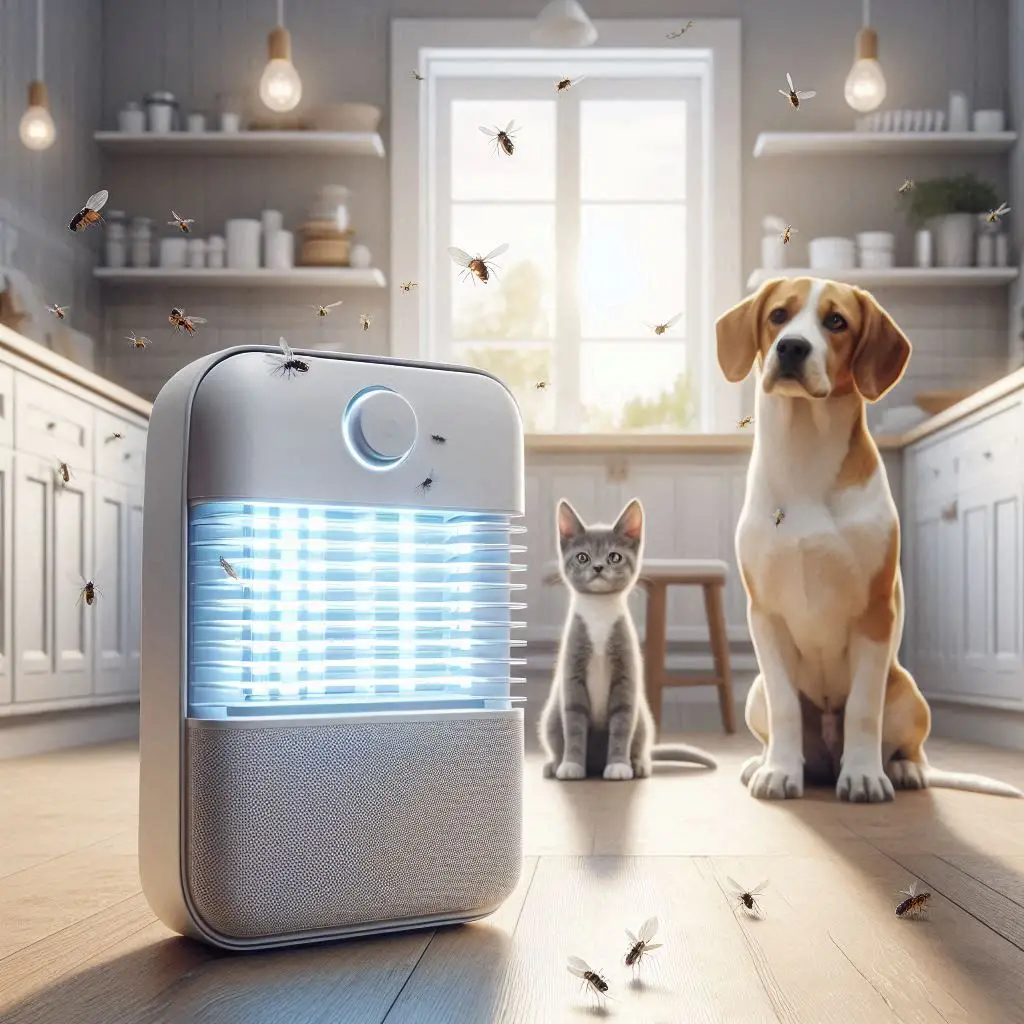
4. Electric Insect Killer Lamps
Modern low‑energy insect killer lamps attract insects using light and eliminate them without sprays.
Best for: Flies and mosquitoes
Pet safety advantage: No chemical exposure when placed correctly.
5. Preventive Measures
Sometimes the safest insect killer is prevention.
Effective steps include:
- Sealing cracks and gaps
- Storing pet food properly
- Cleaning feeding areas daily
- Using window and door screens
New Issues Pet Owners Face (And Practical Solutions)
Issue 1: Pets Licking Treated Floors
Solution: Use fast‑drying sprays or powders only in hidden areas. Clean open surfaces with pet‑safe cleaners.
Issue 2: Strong Odors Causing Stress
Solution: Choose odor‑free or lightly scented products designed for indoor use.
Issue 3: Repeated Insect Infestations
Solution: Combine safe insect killers with preventive measures. One method alone is rarely enough.
Issue 4: Mixed Households With Cats and Dogs
Solution: Avoid products containing essential oils known to be unsafe for cats unless clearly labeled as cat‑safe.
How to Use Pet‑Safe Insect Killers Correctly
To maximize safety and effectiveness:
- Read the label carefully before use
- Keep pets away during application
- Allow treated areas to dry fully
- Ventilate rooms after spraying
- Store products out of pet reach
Consistency is important. Pet‑safe solutions may take a little longer, but they provide safer long‑term control.
Are Pet‑Safe Insect Killers Effective
Yes, when used correctly and consistently. These products focus on reducing insect activity over time rather than delivering instant knockdown. For most households, this approach offers a better balance between safety and effectiveness.
Pet owners often report fewer health concerns and better indoor air quality after switching to safer insect control methods.
Choosing the Right Insect Killer for Homes With Pets
Before buying, consider:
- The type of insect problem
- The number and type of pets
- Indoor versus outdoor use
- Odor sensitivity
- Ease of application
Matching the product to your specific situation improves results and reduces risk.
An insect killer safe for pets allows you to protect your home without compromising the health of your animals. By choosing plant‑based sprays, food‑grade powders, safe traps, electric lamps, and strong preventive habits, you can control insects responsibly.
When pets are part of the family, safety should always come first. Smart insect control focuses on long‑term protection, minimal risk, and a healthier living environment for everyone in the home.