

One of the biggest problems with modern pest control is insect resistance. Many people notice that the same insect spray that worked perfectly last year no longer kills insects today. Cockroaches survive, mosquitoes return, and ants keep coming back stronger than before. This is not bad luck—it is a well-known biological problem called insect resistance.
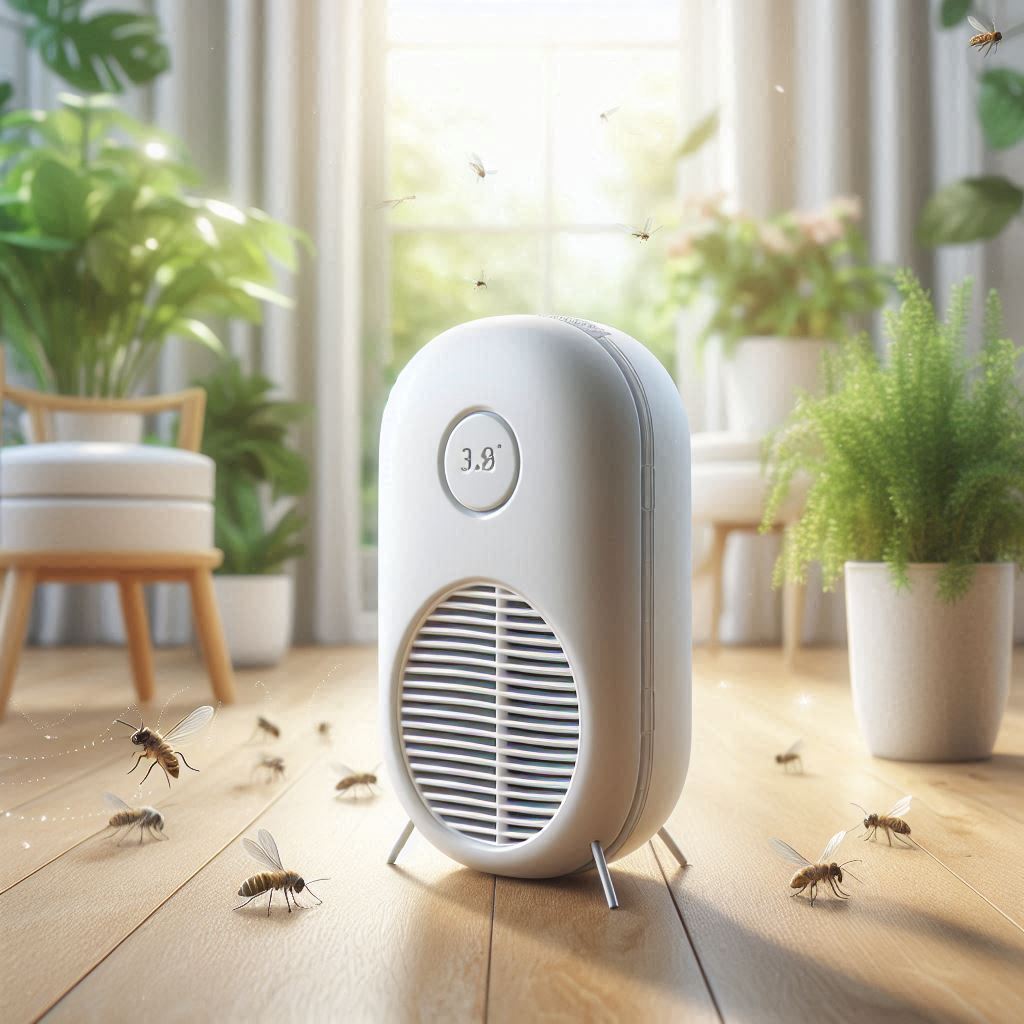
Because of this, homeowners and professionals are now looking for an insect killer that insects don’t resist. In this article, we will explain why resistance happens, why traditional insect killers fail, and how new pest control solutions solve this growing issue in a safer and smarter way.
What Is Insect Resistance?
Insect resistance happens when insects adapt to chemical insecticides over time. When the same chemical is used repeatedly, a small number of insects survive due to natural genetic differences. These survivors reproduce, passing resistance to the next generation.
After several cycles:
- The insect spray becomes weaker
- Higher doses are required
- Insects recover quickly after spraying
- Complete control becomes almost impossible
This is now a global problem, especially with mosquitoes, cockroaches, and bed bugs.
Why Traditional Insect Killers Stop Working
Most conventional insect killers rely on single-action chemical toxins that target insect nervous systems. While effective at first, they create long-term problems.
1. Single Mode of Action
Chemical sprays usually attack insects in only one way. Once insects adapt, the product becomes useless.
2. Overuse and Misuse
Frequent spraying and incorrect dosage accelerate resistance development.
3. Fast Reproduction of Insects
Insects reproduce quickly, allowing resistance traits to spread rapidly.
4. Chemical Dependency
Stronger chemicals are introduced, increasing health and environmental risks.
What Makes an Insect Killer That Insects Don’t Resist?
An insect killer that insects don’t resist works without relying on chemical poisoning. Instead, it uses physical, biological, or multi-action methods that insects cannot easily adapt to.
Key characteristics include:
- Multiple modes of action
- Physical or mechanical insect control
- Natural or bio-based ingredients
- No reliance on nerve toxins
These methods target insects in ways that cannot be genetically resisted.
How Resistance-Free Insect Killers Work
Modern resistance-free insect killers use several mechanisms at the same time:
Physical Action
Some products damage the insect’s outer shell or block breathing pores, causing dehydration and suffocation.
Behavioral Disruption
Natural scents and compounds confuse insects, stopping feeding, mating, and nesting.
Environmental Control
Instead of killing insects alone, these solutions remove conditions insects need to survive.
Multi-Action Formulas
By attacking insects in more than one way, resistance becomes biologically impossible.
Insects That Commonly Develop Resistance
Resistance-free solutions are especially useful against:
- Cockroaches
- Mosquitoes
- Bed bugs
- Ants
- Fleas
- Flies
These insects are known worldwide for adapting quickly to chemical insecticides.
New Problems People Face With Resistance-Free Insect Killers (And Solutions)
Even advanced solutions raise questions. Let’s address them clearly.
Issue 1: “If It’s Not Chemical, Is It Strong Enough?”
Reality: Strength does not come from toxicity—it comes from how insects are affected.
Solution:
Physical and multi-action methods kill insects regardless of genetics. Direct application provides fast and reliable results.
Issue 2: “Does It Work Long-Term?”
Reality: Resistance-free insect killers focus on prevention as well as elimination.
Solution:
Regular use combined with sanitation and sealing entry points provides permanent control without resistance.
Issue 3: “Can It Replace Traditional Sprays Completely?”
Reality: In most household and commercial settings, yes.
Solution:
Integrated use of resistance-free products reduces or eliminates the need for chemical insecticides.
Issue 4: “Is It Safe for Daily Use?”
Reality: Many resistance-free insect killers are designed for regular indoor use.
Solution:
Choose products with proven safety testing and clear ingredient labeling.
Benefits of Using an Insect Killer That Insects Don’t Resist
Long-Term Effectiveness
No resistance means consistent results year after year.
Safer for Humans and Pets
Non-toxic and low-risk formulations reduce health concerns.
Eco-Friendly Pest Control
Less chemical runoff and environmental contamination.
Cost-Effective
No need to buy stronger chemicals repeatedly.
Sustainable Solution
Supports long-term pest management strategies.
How to Use Resistance-Free Insect Killers Effectively
For best results:
- Apply directly to insects when visible
- Treat cracks, corners, and hiding spots
- Maintain cleanliness and reduce food sources
- Seal gaps and entry points
- Use consistently rather than occasionally
Consistency ensures insects cannot recover or re-establish populations.
Indoor and Outdoor Applications
Indoor Use
Ideal for:
- Homes
- Kitchens
- Offices
- Hotels
- Hospitals
Outdoor Use
Suitable for:
- Gardens
- Patios
- Balconies
- Entryways
Always follow usage instructions for best performance.
How to Choose the Best Resistance-Free Insect Killer
Look for:
- Multiple modes of action
- Clear explanation of how it works
- No reliance on single chemical toxins
- Safety certifications
- Positive long-term user feedback
Avoid products that promise “strong chemicals” as their main selling point.
The Future of Resistance-Free Pest Control
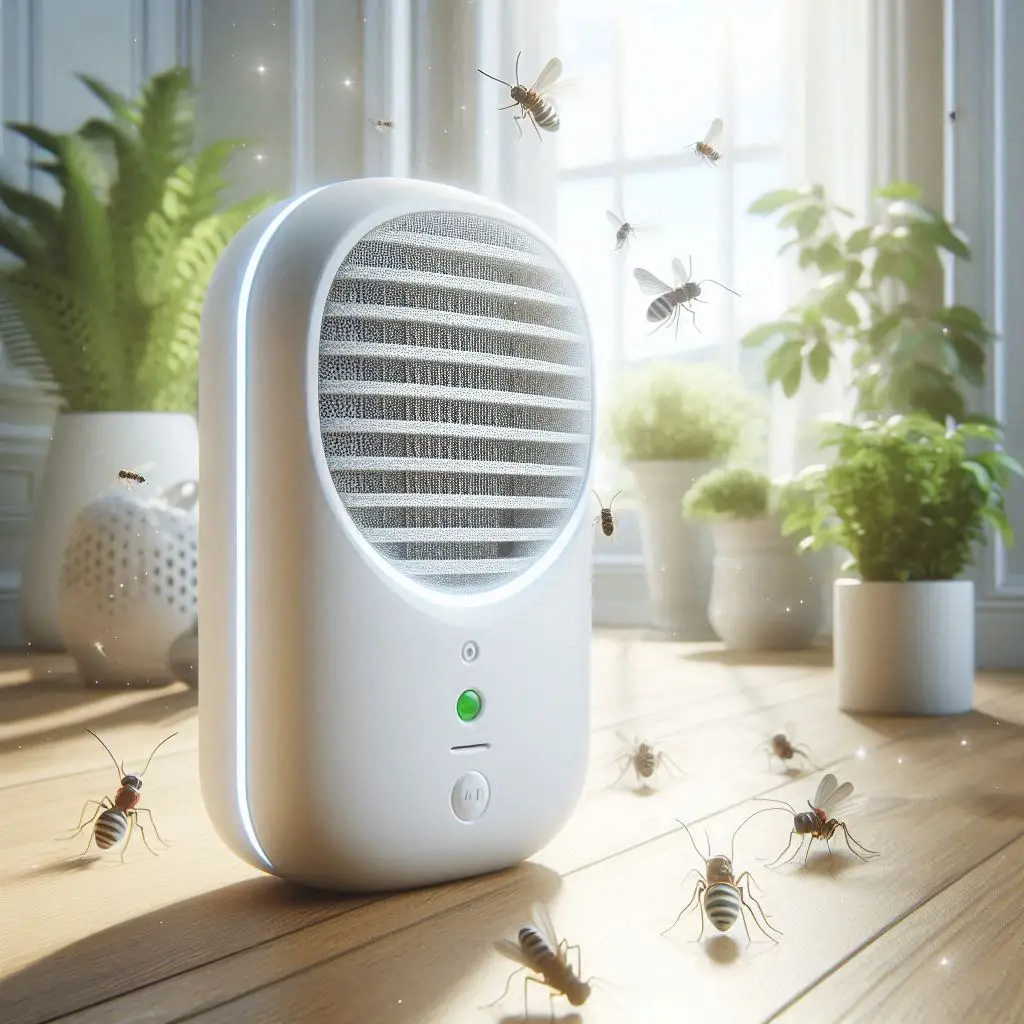
As insect resistance continues to grow, resistance-free insect killers are becoming the new standard. Scientists and manufacturers are shifting toward physical, biological, and multi-action solutions that insects cannot adapt to.
This approach not only solves today’s pest problems but also prevents future resistance issues.
An insect killer that insects don’t resist is no longer a luxury—it is a necessity. Traditional chemical sprays are losing effectiveness due to resistance, while modern resistance-free solutions provide long-term, safe, and reliable pest control.
By choosing a product that insects cannot adapt to, you protect your home, health, and environment while ensuring pests stay gone for good.