
Insects inside homes are a common problem worldwide. From mosquitoes and flies to ants and cockroaches, these pests not only cause discomfort but can also spread diseases and contaminate food. Traditionally, people have relied on chemical insect killers to solve this problem. While these products may kill insects quickly, they often introduce serious health and environmental risks.
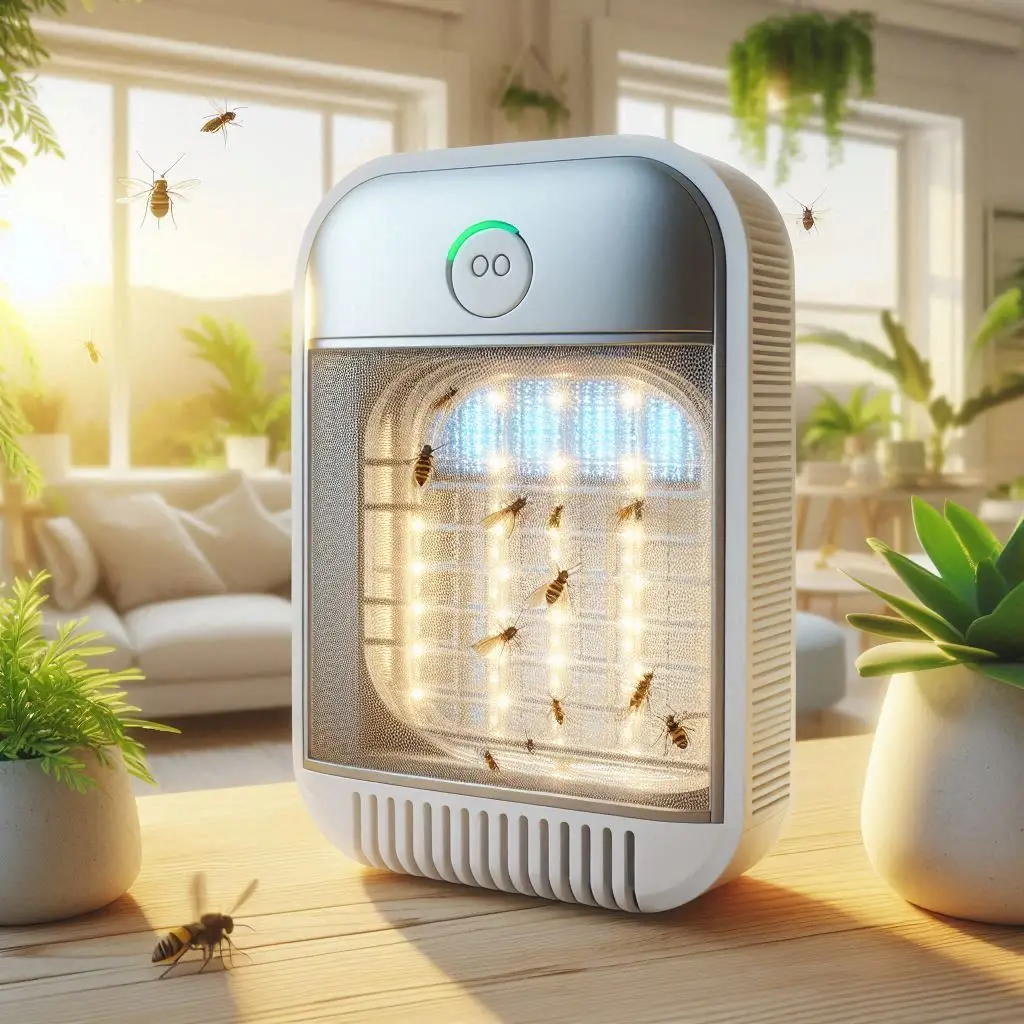
Today, more homeowners are searching for an insect killer without harmful chemicals—a solution that is effective, safe, and environmentally responsible. This article explains why chemical-free insect killers are important, how they work, the challenges people face, and how modern solutions address those challenges.
Why Harmful Chemical Insect Killers Are a Concern
Chemical insecticides usually contain synthetic toxins designed to attack insect nervous systems. While effective, these chemicals do not stay limited to insects alone.
Health Risks to Humans
Exposure to chemical insect killers can cause:
- Breathing problems
- Skin and eye irritation
- Headaches and dizziness
- Long-term health issues with repeated exposure
Children, elderly people, and individuals with asthma or allergies are especially vulnerable.
Risks for Pets
Pets often lick floors, furniture, or their own paws after contact with sprayed areas. Many chemical insecticides are toxic to cats, dogs, and birds, even in small amounts.
Environmental Damage
Chemical sprays pollute air and water, kill beneficial insects like bees, and disturb natural ecosystems. Over time, they contribute to soil degradation and water contamination.
What Is an Insect Killer Without Harmful Chemicals?
An insect killer without harmful chemicals uses natural, plant-based, or low-toxicity ingredients to kill or repel insects. These products avoid dangerous synthetic pesticides and instead rely on safer alternatives.
Common ingredients include:
- Essential oils (peppermint, citronella, eucalyptus, neem)
- Plant extracts
- Mineral-based compounds
- Soap or salt-based solutions
These ingredients are biodegradable and generally safe for indoor use when applied correctly.
How Chemical-Free Insect Killers Work
Unlike chemical sprays that poison insects, non-toxic insect killers use physical and biological methods:
- Disrupting insect respiration
- Damaging the insect’s outer shell
- Repelling insects with strong natural scents
- Blocking feeding and breeding cycles
Because these methods are natural, insects are less likely to develop resistance.
Types of Insects Controlled Without Chemicals
Modern chemical-free insect killers can effectively control:
- Mosquitoes
- Ants
- Cockroaches
- Flies
- Bed bugs
- Fleas
- Spiders
- Silverfish
Many products are suitable for both indoor and outdoor use.
New Issues People Face With Chemical-Free Insect Killers (And Solutions)
Although safer, non-chemical insect killers raise some common concerns. Let’s address them honestly.
Issue 1: “They Are Not Strong Enough”
Reality: Early natural products were weak, but modern formulas are much more effective.
Solution:
Choose products with concentrated plant-based ingredients and proven effectiveness. Direct spraying and repeated use significantly improve results.
Issue 2: “Results Don’t Last Long”
Natural ingredients break down faster than chemicals.
Solution:
New technologies like slow-release formulations help extend protection. Regular application combined with preventive measures ensures long-term control.
Issue 3: “They Smell Too Strong”
Some essential oils have intense odors.
Solution:
Many brands now offer mild or neutral scents that fade quickly while still repelling insects.
Issue 4: “Not Effective for Severe Infestations”
Heavy infestations need more than a single spray.
Solution:
Use a multi-step approach:
- Apply chemical-free insect killer regularly
- Seal cracks and entry points
- Maintain cleanliness
- Remove food and water sources
This method provides lasting control without chemicals.
Benefits of Using an Insect Killer Without Harmful Chemicals
Safe for Indoor Spaces
You can use these sprays in kitchens, bedrooms, and living areas without worrying about toxic residues.
Child and Pet Friendly
Chemical-free insect killers reduce the risk of poisoning and accidental exposure.
Environmentally Responsible
Natural ingredients decompose safely and do not harm beneficial insects when used properly.
No Chemical Residue
Surfaces remain safe for daily contact, food preparation, and sleeping areas.
Reduced Insect Resistance
Natural methods make it harder for insects to adapt and survive.
How to Use Chemical-Free Insect Killers Effectively
For best results:
- Identify insect hiding spots such as corners, drains, and cracks
- Spray directly on insects when visible
- Apply around windows, doors, and entry points
- Repeat applications as recommended
- Keep the environment clean and dry
Consistency is more important than quantity.
Indoor and Outdoor Applications
Indoor Use
Ideal for:
- Homes
- Offices
- Schools
- Hospitals
- Restaurants
Outdoor Use
Suitable for:
- Gardens
- Balconies
- Patios
- Lawns
Always check product instructions for outdoor compatibility.
How to Choose the Best Chemical-Free Insect Killer
Before buying, consider:
- Clear ingredient labeling
- Safety certifications
- Target insect list
- User reviews
- Manufacturer transparency
Avoid products that hide ingredients under vague terms like “proprietary blend.”
The Future of Insect Control Without Chemicals
As awareness of health and environmental safety grows, demand for non-toxic pest control continues to rise. Advances in botanical science and green technology are making chemical-free insect killers more powerful and long-lasting than ever before.
Governments and consumers alike are encouraging safer alternatives, making chemical-free insect control the future of pest management.
An insect killer without harmful chemicals offers a safe, effective, and responsible way to control pests without compromising health or the environment. By addressing modern challenges such as resistance, indoor safety, and environmental impact, these solutions provide long-term peace of mind.
If you want to protect your home while keeping your family, pets, and surroundings safe, switching to a chemical-free insect killer is a smart and sustainable choice.