
Protecting a baby from mosquito bites is not just about comfort; it is a serious health concern. Babies have delicate skin, developing immune systems, and sensitive lungs. Even a single mosquito bite can cause irritation, swelling, infection, or allergic reactions. This is why choosing the right mosquito killer for a baby room requires extra care and awareness.
In this guide, we will explain safe mosquito control methods for baby rooms, common mistakes parents make, new mosquito-related issues, and practical solutions that truly work without harming your child.
Why Mosquito Protection Is Critical in a Baby Room
Mosquitoes are more dangerous for babies than adults. Babies cannot swat mosquitoes away, and their skin reacts more strongly to bites.
Risks Mosquitoes Pose to Babies
- Severe itching and skin irritation
- Risk of dengue, malaria, and viral infections
- Sleep disturbance and constant crying
- Secondary infections due to scratching
- Allergic skin reactions
Because of these risks, chemical-heavy mosquito repellents should be avoided in baby rooms.
New Mosquito Problems in Baby Rooms
Modern homes face mosquito challenges that did not exist earlier.
Common New Issues
- Mosquito breeding in humid baby rooms
- Standing water in humidifiers and air coolers
- Daytime mosquito bites indoors
- Chemical vaporizers causing breathing discomfort
- Strong smells triggering coughing or nausea
These issues demand gentle and baby-safe mosquito control solutions.
What Makes a Mosquito Killer Safe for Baby Rooms?
A mosquito killer for a baby room should meet the following conditions:
- No toxic chemicals
- No smoke or strong odors
- Silent operation
- No direct skin contact
- Low heat or shock risk
Safety always comes before effectiveness when babies are involved.
Best Mosquito Killers for Baby Rooms (Safe Options)
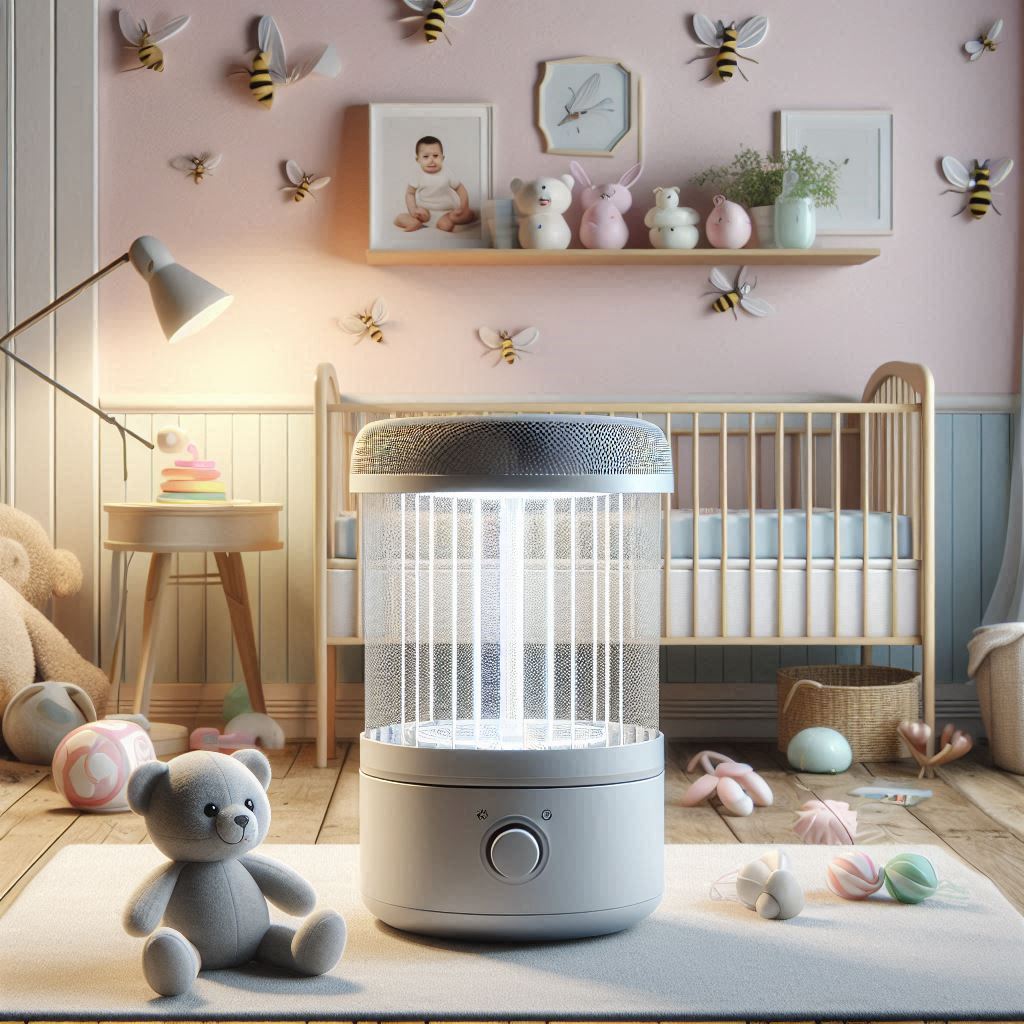
1. Electric Mosquito Killer Lamp (Baby-Safe Models)
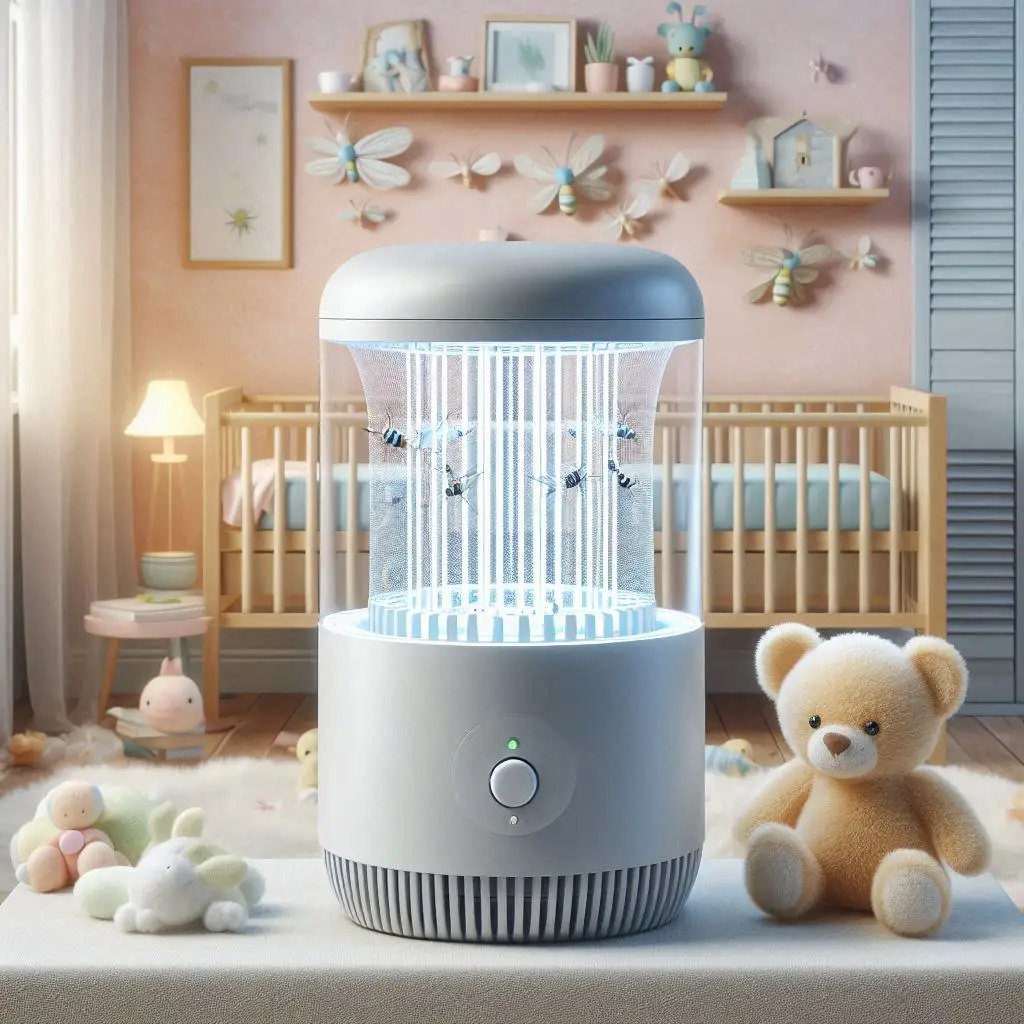
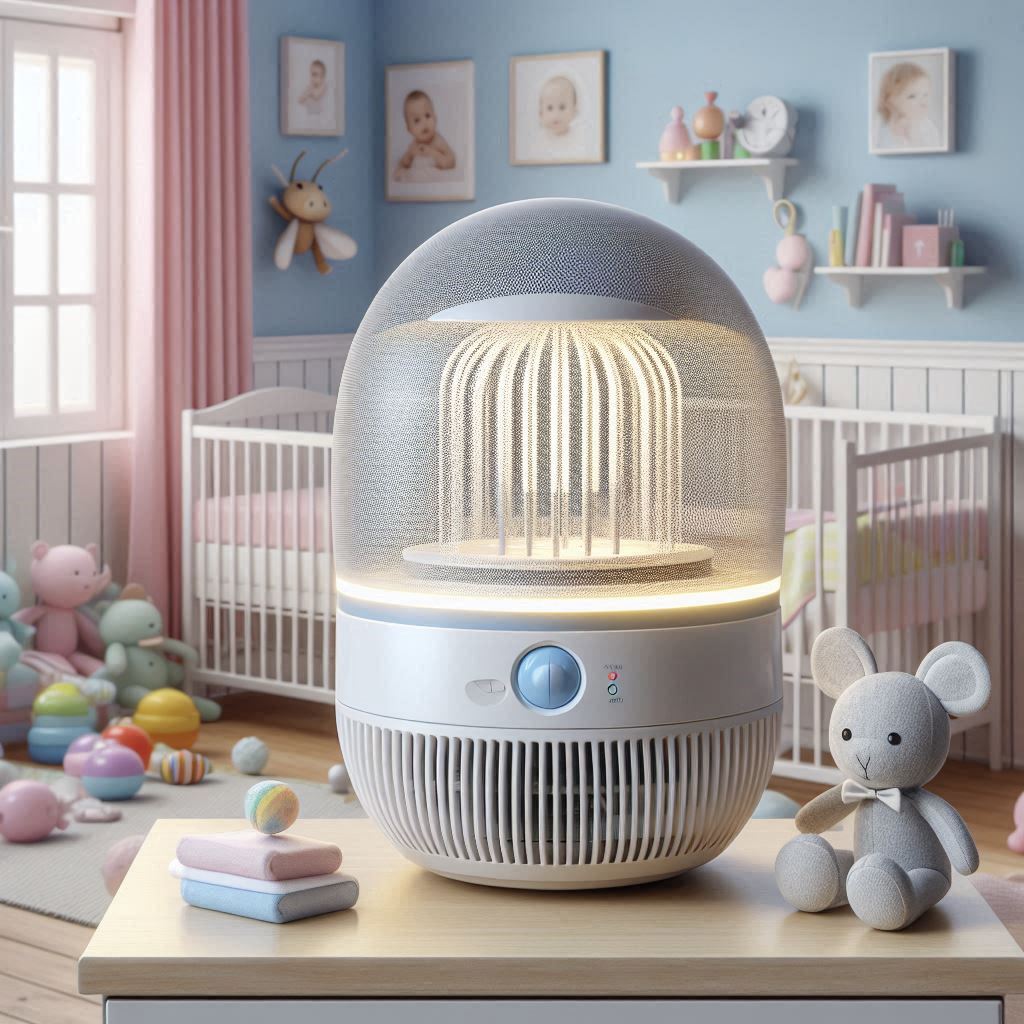
Electric mosquito killer lamps attract mosquitoes using UV or LED light and kill them without releasing fumes.
Why They Are Safe
- No chemicals or smoke
- Silent and non-intrusive
- No direct exposure to baby
How to Use Safely
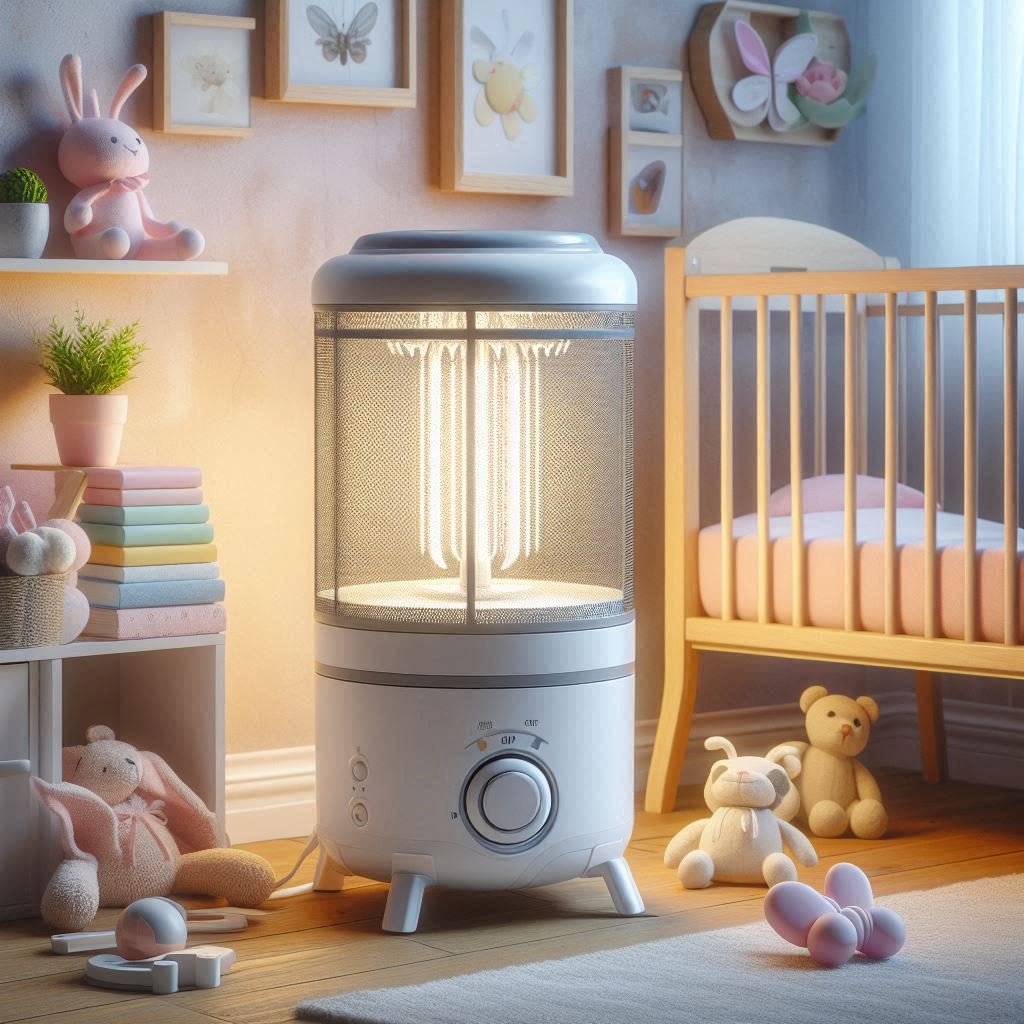
- Place the lamp away from the crib
- Use covered-grid or enclosed models
- Keep it out of baby’s reach
2. Mosquito Nets for Cribs and Beds
Mosquito nets remain one of the safest and most reliable options.
Benefits
- Physical protection
- No chemicals at all
- Safe even for newborns
Limitations
- Requires proper installation
- Less effective if left open
3. Natural Mosquito Repellents (Limited Use)
Certain natural solutions can be used carefully.
Baby-Safe Options
- Lavender oil (used indirectly)
- Citronella candles (not inside the room)
- Neem oil near windows
Essential oils should never be applied directly on baby’s skin.
4. Ultrasonic Mosquito Repellers
These devices emit sound waves that repel mosquitoes.
Pros
- Chemical-free
- Silent for humans
Cons
- Effectiveness varies
- Best used as a supporting solution
Mosquito Killers to Avoid in Baby Rooms
Some mosquito control products are unsafe for babies.
Avoid These
- Mosquito coils (smoke hazard)
- Strong liquid vaporizers
- Aerosol sprays
- Incense sticks
- Direct skin repellents
These can cause breathing issues and allergic reactions.
New Issues Parents Face & Practical Solutions
Issue 1: Baby Still Gets Bitten at Night
Solution:
Combine a crib net with a mosquito killer lamp placed away from the crib.
Issue 2: Baby Coughs After Using Repellents
Solution:
Immediately stop chemical products and switch to chemical-free options.
Issue 3: Mosquitoes Appear During Daytime
Solution:
Use window mesh and keep curtains slightly open to reduce dark resting areas.
Issue 4: Mosquitoes Breeding Indoors
Solution:
Check humidifiers, flower pots, bathroom corners, and AC trays regularly.
How to Prevent Mosquitoes in Baby Rooms Naturally
Prevention is the safest form of protection.
Simple Preventive Steps
- Empty standing water daily
- Keep room dry and well-ventilated
- Use window and door mesh
- Clean humidifiers weekly
- Wash baby bedding regularly
These steps reduce mosquito presence significantly.
Placement Tips for Mosquito Killer Devices in Baby Rooms
- Keep devices at least 5–6 feet away from the crib
- Avoid placing near baby’s face or head
- Use wall-mounted or enclosed devices
- Never use open-grid devices within reach
Correct placement ensures safety and effectiveness.
Common Myths About Baby-Safe Mosquito Killers
Myth 1: Natural Means Always Safe
Truth: Some essential oils can still irritate babies.
Myth 2: Strong Repellents Work Better
Truth: Babies need gentle, low-exposure solutions.
Myth 3: One Method Is Enough
Truth: A combination of net + lamp + prevention works best.
Best Mosquito Killer Combination for Baby Rooms
✔ Crib mosquito net
✔ Enclosed electric mosquito killer lamp
✔ Window mesh
✔ Regular cleaning and prevention
This setup offers maximum protection with zero health risk.
Final Thoughts: Choosing the Right Mosquito Killer for Baby Room
When it comes to babies, safety should never be compromised. The best mosquito killer for a baby room is one that prevents mosquito bites without exposing your child to harmful substances.
By choosing chemical-free solutions, maintaining cleanliness, and using physical barriers, parents can create a safe, peaceful, and mosquito-free environment for their baby.
Mosquito control in baby rooms requires a thoughtful and gentle approach. Old methods like coils and sprays are not suitable for infants. Modern, chemical-free solutions combined with prevention offer the safest protection.
A healthy baby sleep environment means no mosquitoes, no chemicals, and no worries.