

Mosquitoes are no longer just a seasonal nuisance. With changing weather patterns, urban living, and increased indoor humidity, mosquito problems have become more frequent and harder to control. As a result, people often face confusion when choosing between a mosquito killer and a mosquito repellent.
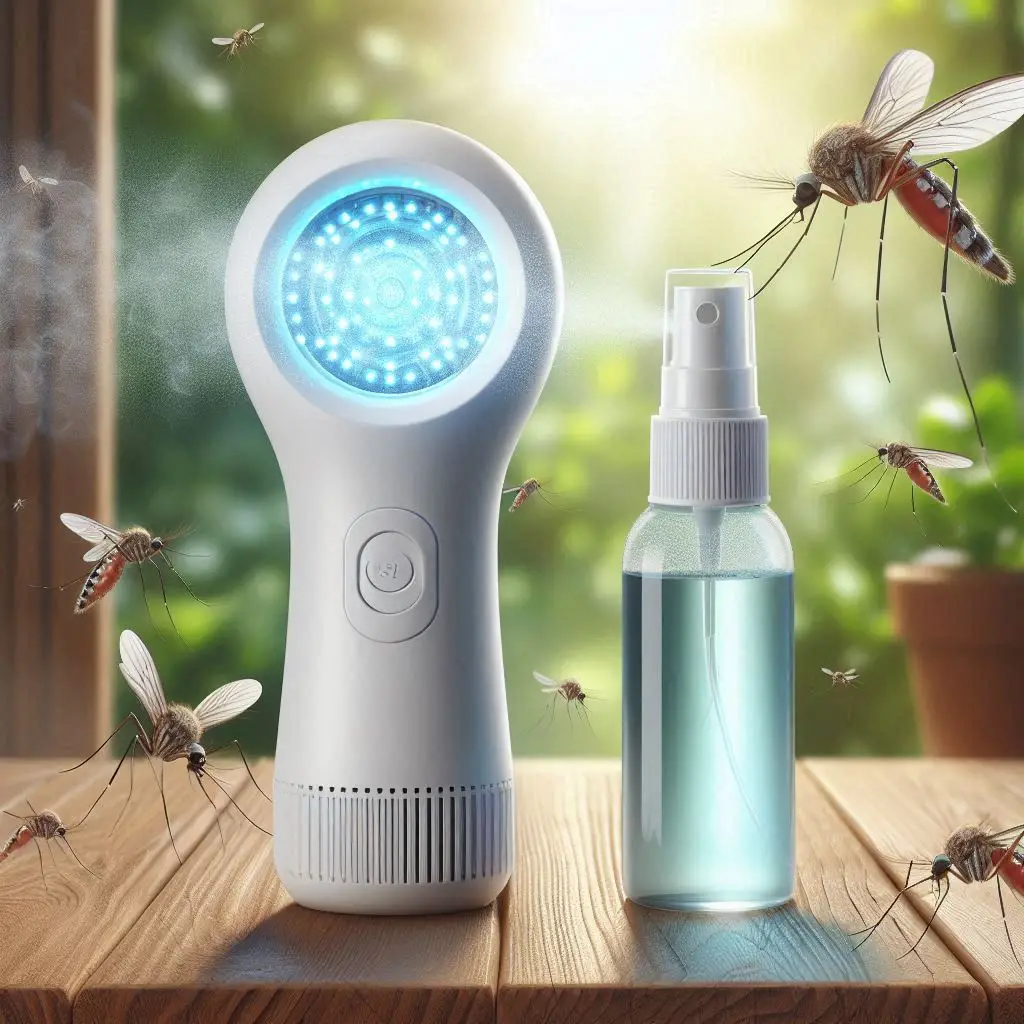
Both options are widely available and serve different purposes, but choosing the wrong one can lead to poor results, health risks, and wasted money. This article explains the difference between mosquito killer and mosquito repellent, their advantages, limitations, new issues people face today, and how to choose the right solution for your home.
Understanding the Basic Difference
Before deciding which one is better, it’s important to understand what each does.
What Is a Mosquito Killer?
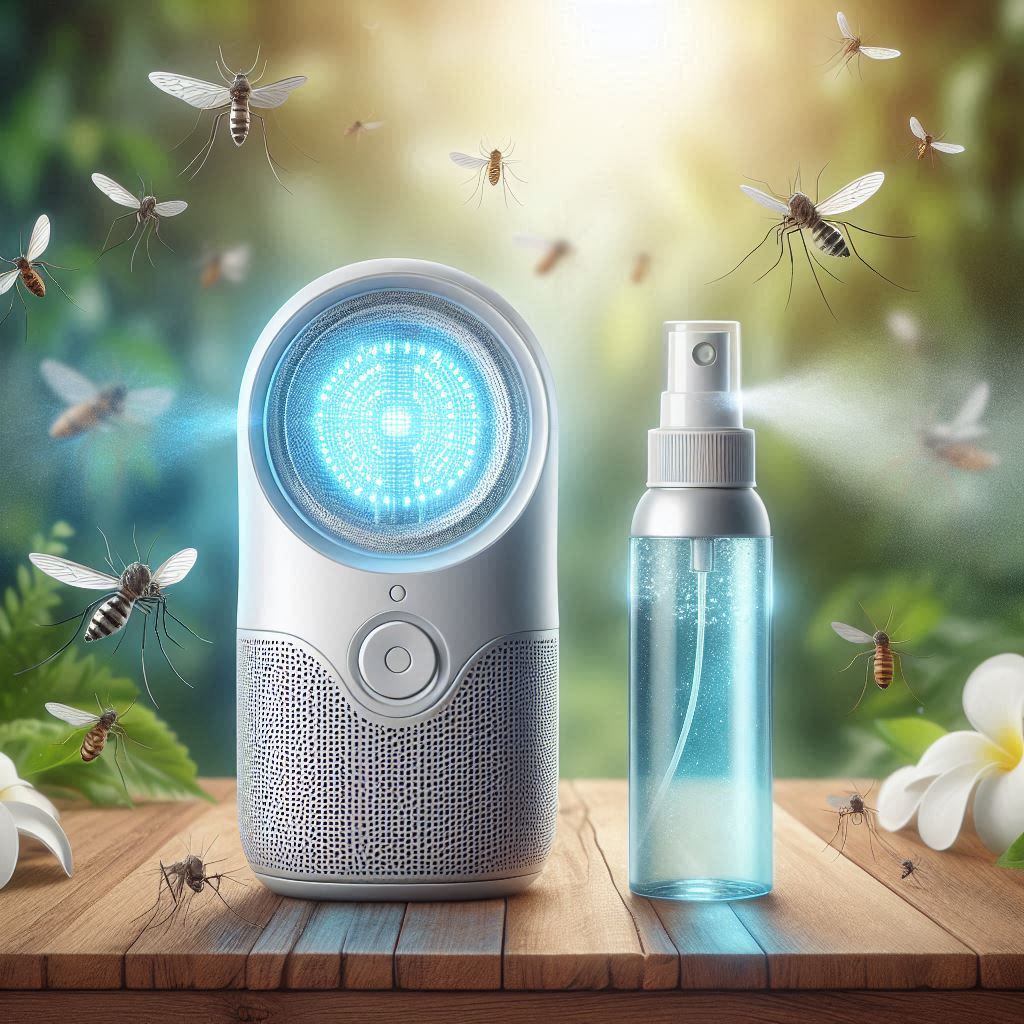
A mosquito killer is designed to kill mosquitoes. These devices or products eliminate mosquitoes from the environment.
Examples include:
- Electric mosquito killer lamps
- Mosquito rackets
- Insect traps
- Chemical sprays
What Is a Mosquito Repellent?
A mosquito repellent does not kill mosquitoes. Instead, it repels or keeps them away by producing smells, fumes, or sensations mosquitoes dislike.
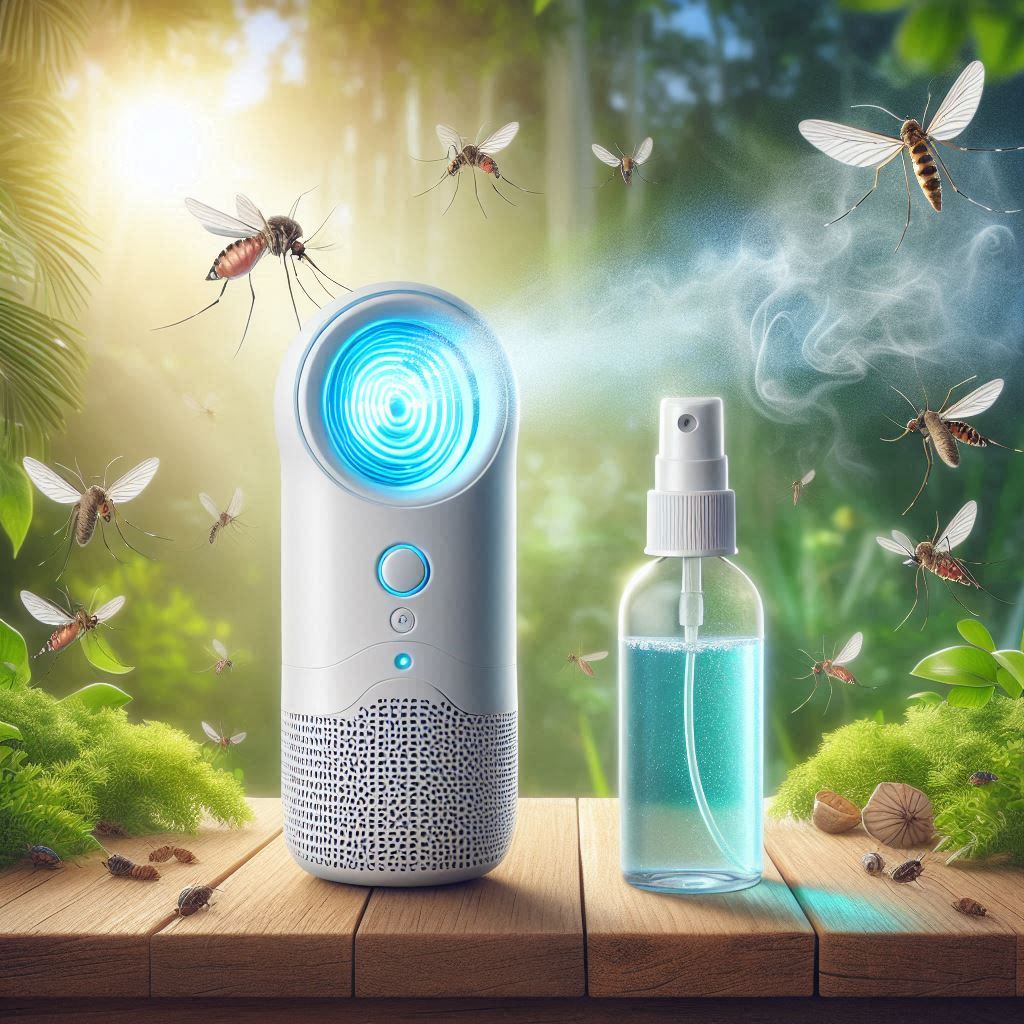
Examples include:
- Liquid vaporizers
- Mosquito coils
- Creams and lotions
- Natural oils
Why This Difference Matters
Many people expect repellents to kill mosquitoes and killers to prevent bites permanently. This misunderstanding leads to frustration and ineffective mosquito control.
- Killers reduce mosquito population
- Repellents reduce mosquito contact
For best results, the right choice depends on your situation.
Mosquito Killer – Pros and Cons
Advantages of Mosquito Killers
1. Eliminates Mosquitoes
Mosquito killers reduce the actual number of mosquitoes in your home.
2. Long-Term Control
Continuous use leads to fewer mosquitoes over time.
3. Chemical-Free Options Available
Electric mosquito killer lamps work without smoke or fumes.
4. Effective Against Resistant Mosquitoes
Mosquitoes resistant to sprays are still attracted to UV light traps.
Limitations of Mosquito Killers
- May not provide instant relief
- Coverage limited to room size
- Requires correct placement
- Less effective in brightly lit rooms
Mosquito Repellent – Pros and Cons
Advantages of Mosquito Repellents
1. Immediate Bite Prevention
Repellents provide fast relief from mosquito bites.
2. Easy to Use
Simply plug in, light up, or apply.
3. Portable Options Available
Creams and sprays can be used outdoors.
Limitations of Mosquito Repellents
- Do not reduce mosquito population
- Chemical exposure risks
- Strong smells can cause discomfort
- Effectiveness reduces over time
New Mosquito Issues People Face Today
Issue 1: Mosquitoes Resistant to Repellents
Many mosquitoes no longer respond effectively to traditional coils and vaporizers.
Solution:
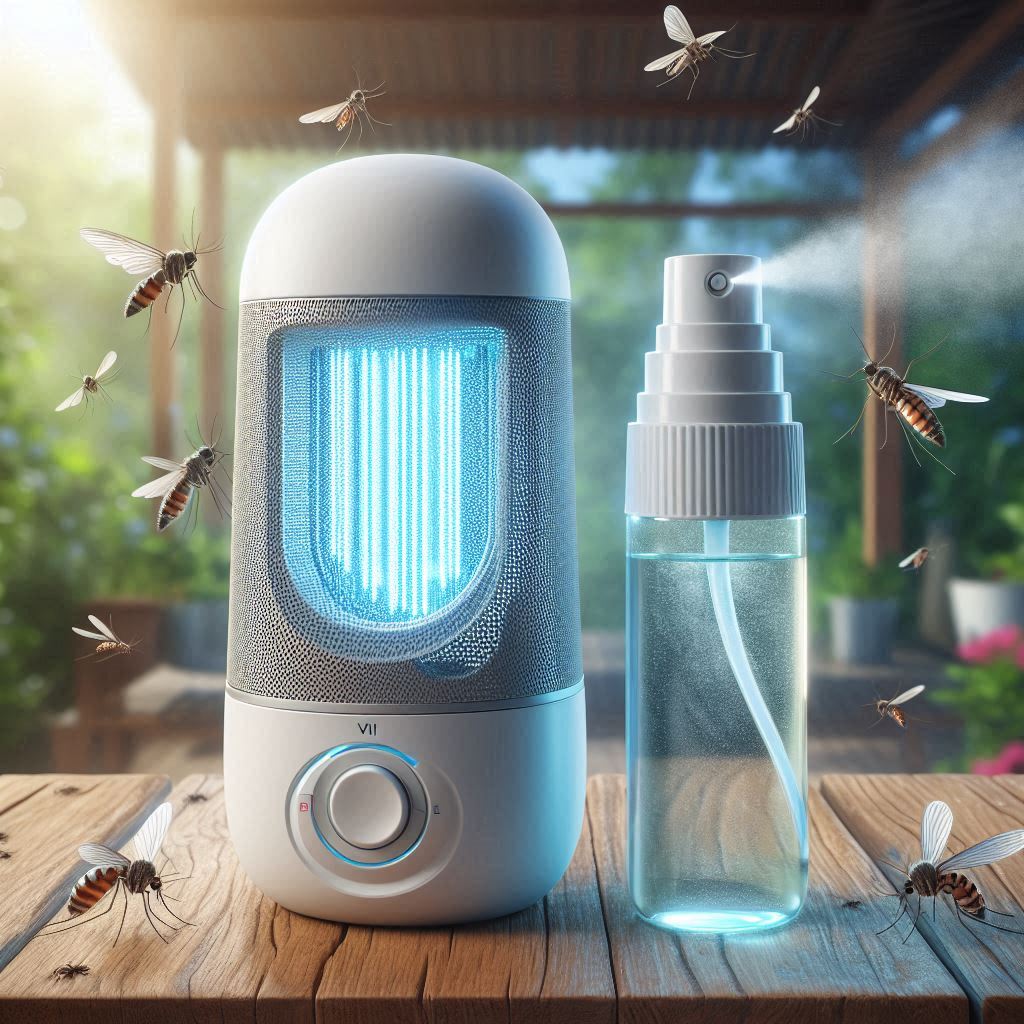
Use mosquito killers like UV lamps to physically eliminate mosquitoes.
Issue 2: Health Concerns from Chemicals
Parents and pet owners worry about long-term chemical exposure.
Solution:
Choose chemical-free mosquito killers or natural repellents.
Issue 3: Mosquitoes Indoors During Daytime
Daytime mosquito bites are increasing due to indoor breeding.
Solution:
Remove standing water and use mosquito killers near windows.
Issue 4: Repellents Losing Effect Overnight
Vaporizers may stop working effectively after a few hours.
Solution:
Use repellents for short-term relief and killers for long-term control.
Mosquito Killer vs Mosquito Repellent – Side-by-Side Comparison
| Feature | Mosquito Killer | Mosquito Repellent |
|---|---|---|
| Kills mosquitoes | Yes | No |
| Prevents bites | Indirectly | Yes |
| Chemical-free options | Yes | Limited |
| Long-term effectiveness | High | Low |
| Safe for babies | Some models | Limited |
| Instant results | Moderate | High |
Which One Is Better for Different Situations?
For Bedrooms
- Best choice: Mosquito killer lamp + light repellent use
- Reason: Silent, safe, long-term protection
For Baby Rooms
- Best choice: Chemical-free mosquito killer + net
- Avoid coils and sprays
For Outdoor Use
- Best choice: Repellent creams or coils
- Killers are less effective outdoors
For Severe Mosquito Infestation
- Best choice: Combination of killer + repellent + prevention
Combining Mosquito Killer and Repellent – The Smart Approach
Instead of choosing one, using both strategically gives the best results.
Ideal Combination
- Use repellents at night for immediate protection
- Use mosquito killers continuously to reduce population
- Remove breeding sources regularly
This approach offers quick relief and long-term control.
Safety Considerations
When Using Mosquito Killers
- Keep devices out of children’s reach
- Clean trays regularly
- Avoid touching electric grids
When Using Repellents
- Avoid continuous chemical exposure
- Use in well-ventilated rooms
- Never apply strong repellents on babies
Preventing Mosquito Problems Naturally
Regardless of your choice, prevention is essential.
Simple Prevention Tips
- Empty standing water every 3 days
- Keep bathrooms and kitchens dry
- Install window and door mesh
- Use exhaust fans to reduce humidity
These steps reduce mosquito breeding significantly.
Common Myths About Mosquito Killers and Repellents
Myth 1: Repellents Kill Mosquitoes
Truth: They only keep mosquitoes away temporarily.
Myth 2: Killers Work Instantly
Truth: They work gradually but effectively.
Myth 3: One Solution Is Enough
Truth: Combination works best.
Final Verdict: Mosquito Killer vs Mosquito Repellent
There is no one-size-fits-all answer.
- Mosquito killers are better for long-term control and reducing mosquito population.
- Mosquito repellents are better for short-term, immediate bite prevention.
For most homes, the best solution is a balanced combination of both, supported by proper hygiene and prevention.
Modern mosquito problems require smarter solutions. Understanding the difference between mosquito killers and mosquito repellents helps you make informed choices for your family’s safety and comfort.
By choosing the right product for the right situation—and using preventive measures—you can enjoy a mosquito-free, healthier living environment without unnecessary risks.