
Mosquitoes are more than just an annoying problem. They disturb sleep, reduce comfort at home, and can also spread serious diseases such as dengue, malaria, and chikungunya. Many people try mosquito coils, sprays, or liquid vaporizers, but these products often come with one major issue — strong smell.
For families with children, elderly people, or anyone sensitive to odors, smell-based mosquito killers can be uncomfortable or even harmful. This is why the demand for mosquito killers without smell is growing rapidly.
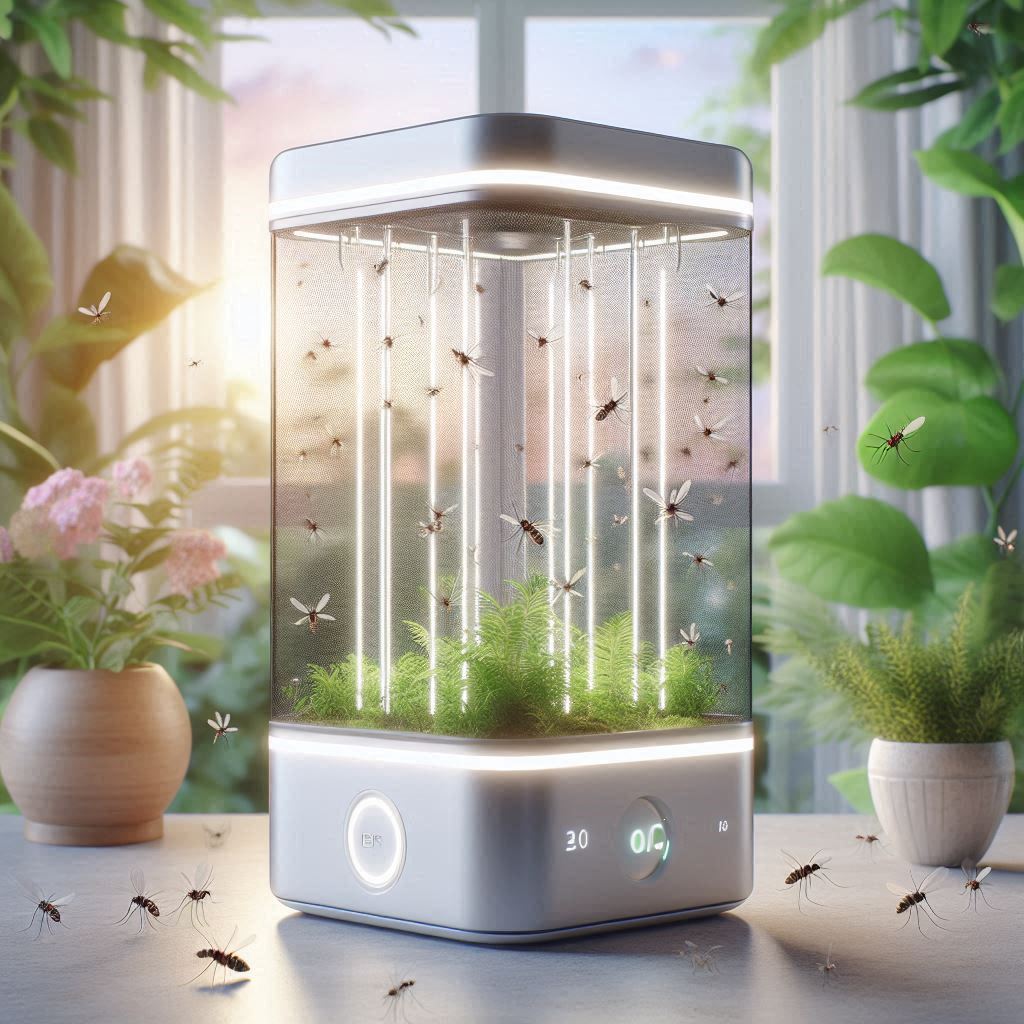
In this article, we will explain what smell-free mosquito killers are, how they work, which options are actually effective, and how to choose the right one for your home.
Why People Avoid Smell-Based Mosquito Killers
Traditional mosquito control products usually rely on chemicals or burning materials. While they may kill or repel mosquitoes, they also create problems such as:
- Strong chemical smell
- Headaches or dizziness
- Breathing discomfort
- Eye irritation
- Unsafe environment for babies and pets
- Poor indoor air quality
In closed rooms like bedrooms, baby rooms, or apartments with limited ventilation, these smells become even more uncomfortable. That’s why odorless mosquito killers are now preferred for modern homes.
What Is a Mosquito Killer Without Smell?
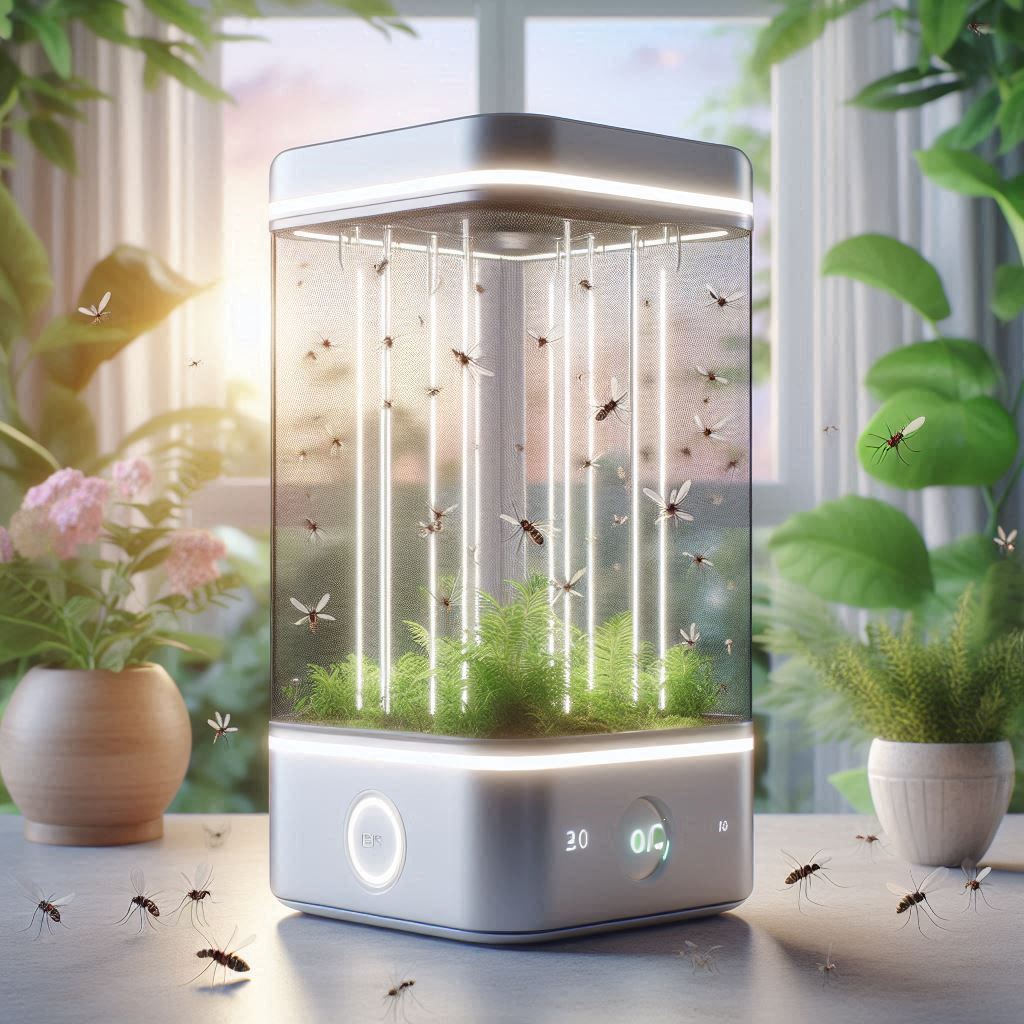
A mosquito killer without smell is a device or solution that controls mosquitoes without releasing smoke, fragrance, or chemical odor into the air. These products focus on physical, electronic, or natural methods rather than strong chemicals.
They are designed to be:
- Silent or low noise
- Odor-free
- Safe for indoor use
- Comfortable for long-term operation
Types of Mosquito Killers Without Smell
Not all mosquito killers are equal. Below are the most common and effective smell-free options available today.
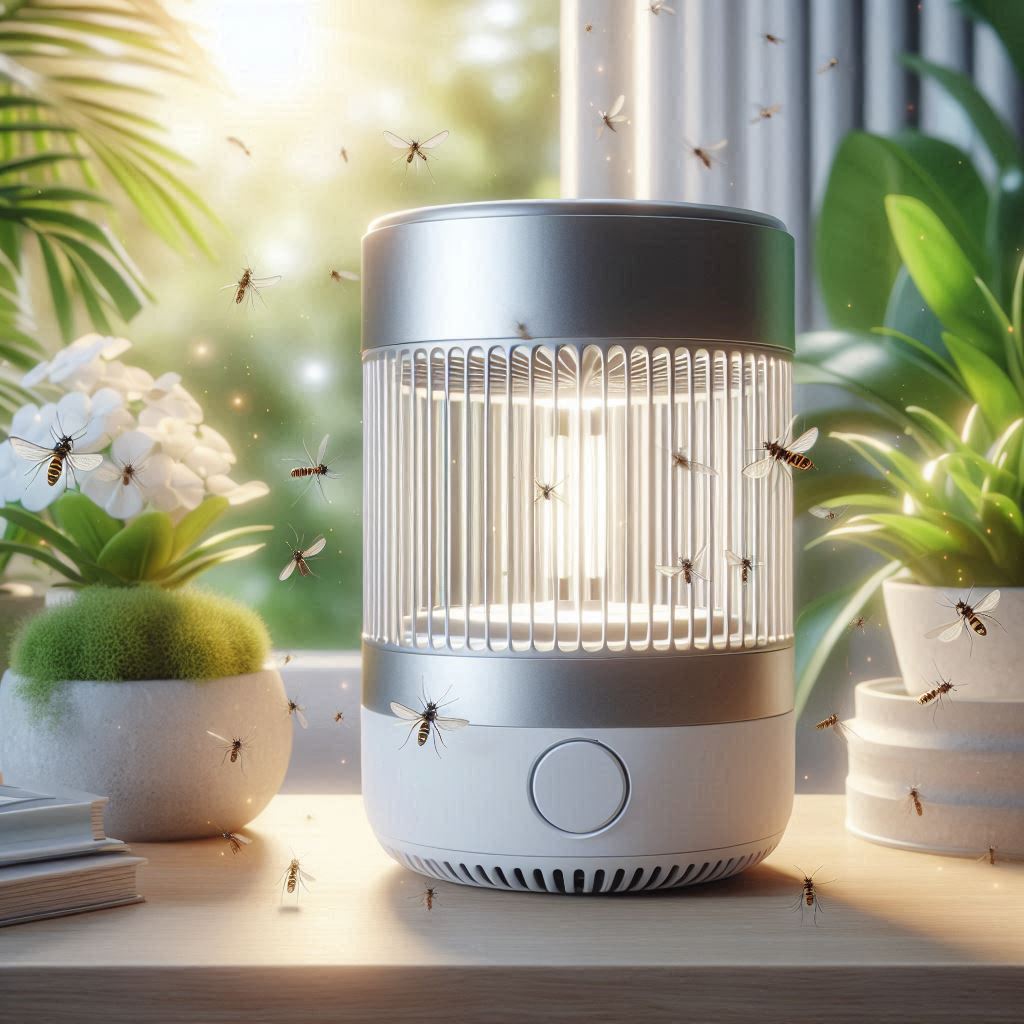
1. Electric Mosquito Killer Lamp (UV Light)
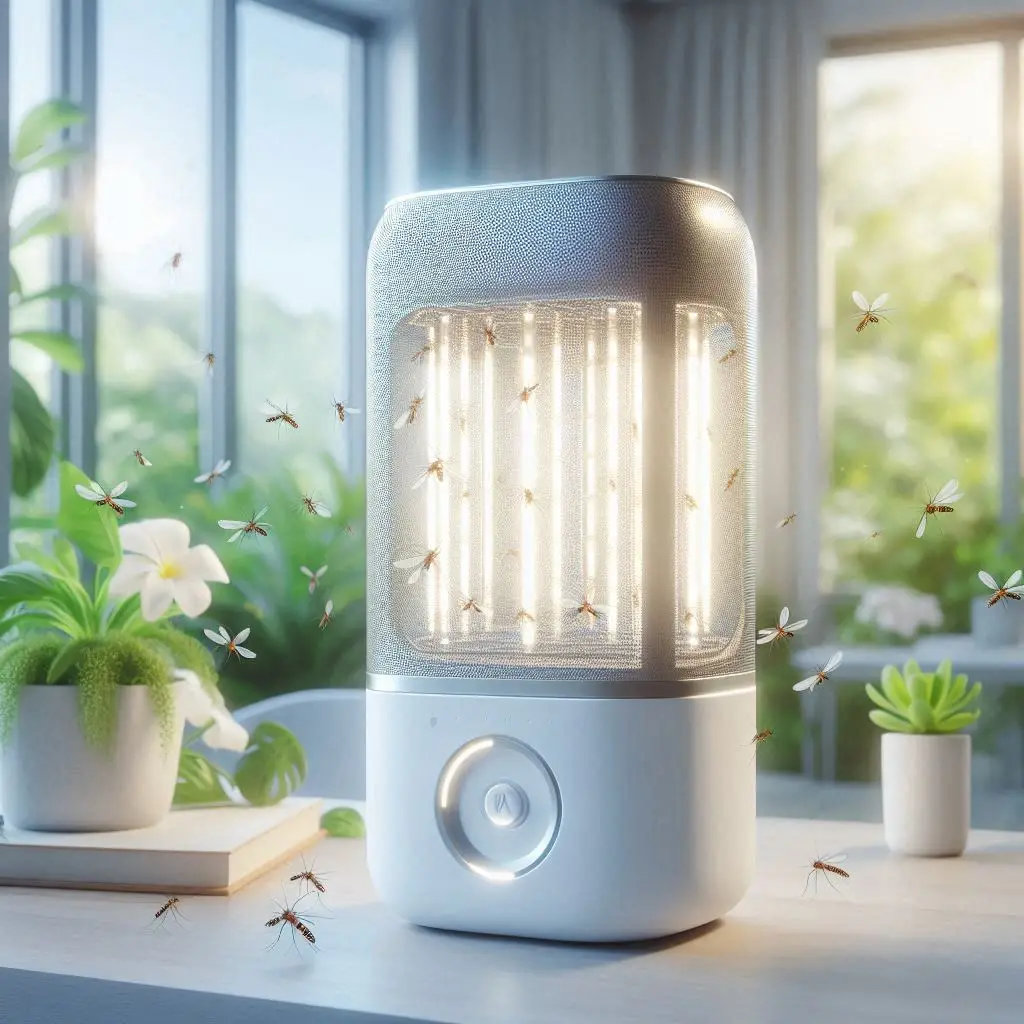
Electric mosquito killer lamps use UV or LED light to attract mosquitoes. Once mosquitoes approach the light, they are either trapped or killed using an electric grid.
Why it is smell-free
- No chemicals
- No burning
- No fragrance
Best for
- Bedrooms
- Living rooms
- Indoor spaces
- Night use
Pros
- Completely odorless
- Safe for daily use
- Low power consumption
- Works automatically
Limitations
- Works best in low-light conditions
- Needs regular cleaning
2. Mosquito Traps (Suction-Based)
Mosquito traps use light, heat, or CO₂ imitation to attract mosquitoes. A small fan pulls them into a container where they cannot escape.
Why it is smell-free
- No spray
- No vapor
- No smoke
Best for
- Baby rooms
- Offices
- Allergy-sensitive homes
Pros
- Silent operation
- No chemicals
- Safe for children and pets
Limitations
- Slower than sprays
- Requires continuous use
3. Ultrasonic Mosquito Repellers (Smell-Free)
Ultrasonic devices emit high-frequency sound waves that disturb mosquitoes. These sounds are not detectable by humans.
Why it is smell-free
- Works using sound, not chemicals
Best for
- Small rooms
- Bedrooms
- Temporary protection
Pros
- Compact and portable
- No smell
- Easy plug-and-play use
Limitations
- Mixed effectiveness
- Works better as support, not a standalone solution
4. Sticky Mosquito Boards (Chemical-Free)
These boards attract mosquitoes using light reflection or mild heat and trap them on a glue surface.
Why it is smell-free
- No vapor
- No active chemicals
Best for
- Indoor corners
- Kitchens
- Behind furniture
Pros
- Cheap
- Silent
- Odorless
Limitations
- Needs replacement
- Not suitable for heavy infestations
5. Natural Airflow and Physical Barrier
Some people combine smell-free devices with non-chemical preventive methods such as:
- Window mosquito nets
- Door mesh
- Air circulation using fans
- Removing stagnant water
These methods do not kill mosquitoes but reduce their presence naturally.
New Issues With Traditional Mosquito Control (And Better Solutions
Issue 1: Health Concerns from Chemical Vapors
Many liquid vaporizers contain synthetic insecticides that may affect breathing when used daily.
Solution:
Switch to electric mosquito lamps or traps that do not release anything into the air.
Issue 2: Baby and Pet Safety
Strong mosquito repellents are not recommended for baby rooms or homes with pets.
Solution:
Use UV mosquito killer lamps with covered grids or suction-based traps.
Issue 3: Poor Sleep Due to Smell
Even mild smells can disturb sleep, especially in summer when rooms are closed and air circulation is low.
Solution:
Choose silent, odorless mosquito control devices designed for night use.
Issue 4: Overuse of Chemicals
Mosquitoes can develop resistance to chemical repellents over time.
Solution:
Non-chemical methods like light traps and physical capture systems remain effective long-term.
How to Choose the Best Mosquito Killer Without Smell
Before buying, consider these important points:
- Room Size
Choose a device suitable for your room area. - Purpose
Bedroom, baby room, office, or living area — each needs a different solution. - Noise Level
For sleeping areas, always select silent or low-noise models. - Safety Certification
Look for enclosed grids and child-safe designs. - Maintenance
Easy cleaning and low replacement cost matter for daily use.
Are Smell-Free Mosquito Killers Effective
Yes — but effectiveness depends on correct usage and environment.
- They work best indoors
- Best results come with continuous use
- Combining two methods (lamp + net) gives stronger protection
Smell-free mosquito killers may not kill mosquitoes instantly like sprays, but they provide consistent, safer, and healthier control.
Mosquito control does not have to mean breathing strong chemicals every night. With modern technology, mosquito killers without smell offer a clean, safe, and effective alternative for homes, especially where comfort and health matter.
Whether you choose an electric mosquito killer lamp, a suction trap, or a chemical-free device, the key is regular use and proper placement. For families, babies, and anyone sensitive to odors, smell-free mosquito killers are no longer an option — they are the smarter choice.