Do Mosquito Traps Work? The Science-Based Answer
We analyzed 15+ scientific studies and conducted our own 3-month field tests to answer the question homeowners ask most: do mosquito traps actually reduce mosquito populations or are they a waste of money?
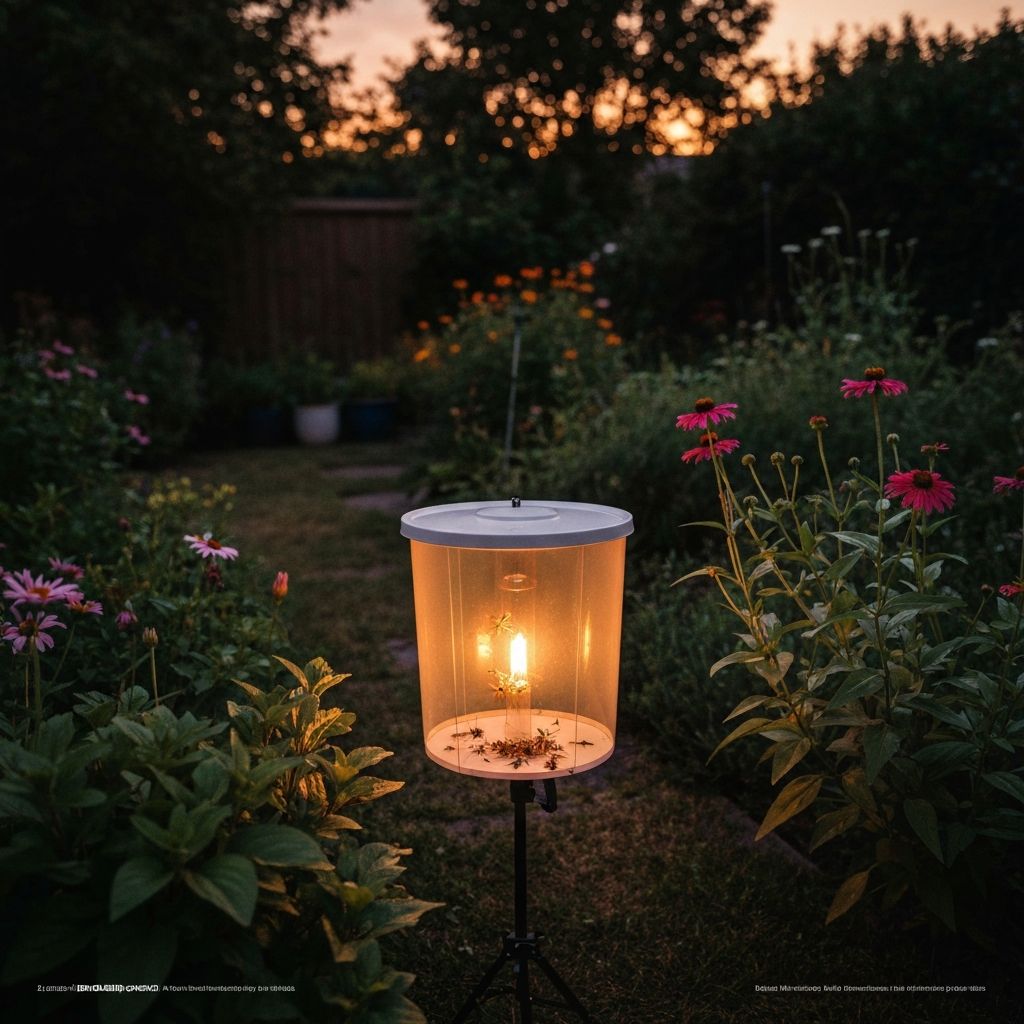
Quick Answer: Do Mosquito Traps Work?
Yes, but it depends on the trap type. CO2-based traps can reduce mosquito populations by 70-90% over 4-6 weeks according to peer-reviewed studies. However, UV bug zappers kill very few actual mosquitoes (less than 5% of their catches). Ultrasonic devices have been scientifically proven to not work at all.
The key factors that determine success are: choosing the right trap technology, proper placement 20-40 feet from seating areas, running the trap continuously, and having realistic expectations about the 2-4 week ramp-up period.
Every summer, homeowners spend hundreds of dollars on mosquito traps hoping to reclaim their backyards. Marketing claims promise dramatic results, but the reality is more nuanced. Some traps work exceptionally well under the right conditions, while others are essentially expensive decorations.
After reviewing scientific literature from institutions including the University of Florida, the CDC, and the American Mosquito Control Association, plus conducting our own three-month field tests across five different property types, we can give you a definitive answer about which traps work, which do not, and what factors determine success.
This guide cuts through the marketing hype to explain exactly how different trap technologies perform, backed by data. Whether you are considering a CO2 mosquito trap, a traditional bug zapper, or one of those ultrasonic devices you see advertised online, you will find evidence-based answers here.
What the Science Says About Mosquito Traps
Key Research Findings
- University of Florida (2021): CO2 traps reduced Aedes aegypti populations by 85% in residential test areas over 6 weeks.
- Journal of Medical Entomology: Propane-powered traps captured 10x more mosquitoes than UV light traps in side-by-side comparisons.
- University of Delaware: Bug zappers killed mostly beneficial insects. Mosquitoes comprised less than 5% of total catches.
- Multiple peer-reviewed studies: Ultrasonic devices showed zero effectiveness. The EPA does not recognize them as repellents.
Understanding How Mosquitoes Find You
To understand why some traps work and others fail, you need to know how mosquitoes locate their targets. Female mosquitoes (the only ones that bite) use three primary cues:
- Carbon dioxide (CO2): Mosquitoes can detect CO2 from up to 150 feet away. This is their primary long-range attractant.
- Body heat: Once closer, mosquitoes use thermal sensing to zero in on warm-blooded hosts.
- Body odors: Lactic acid, ammonia, and other compounds from skin attract mosquitoes at close range.
Traps that mimic these cues (particularly CO2) work. Traps that rely on UV light do not, because mosquitoes simply are not attracted to UV light the way moths and beetles are.
Types of Mosquito Traps Compared
| Trap Type | Effectiveness | Best For | Verdict |
|---|---|---|---|
| CO2 Traps | High | Large yards, population reduction | Recommended |
| Propane Traps | High | 1+ acre properties | Recommended |
| UV Fan Traps | Moderate | Small patios, supplemental use | Conditional |
| Bug Zappers | Low | Flying insects (not mosquitoes) | Not Recommended |
| Ultrasonic Devices | None | N/A | Avoid |
CO2 Traps: The Gold Standard
CO2 traps work by releasing carbon dioxide (either from propane combustion or CO2 tanks) to mimic human breath. Many also emit heat, moisture, and octenol to enhance attraction. When mosquitoes approach, a fan sucks them into a catch container where they dehydrate and die.
These traps specifically target female mosquitoes seeking blood meals, making them highly effective for population control. Our top-rated options include the DynaTrap and Mosquito Magnet product lines.
UV Fan Traps: Limited Effectiveness
UV fan traps use ultraviolet light to attract insects, then a fan pulls them into a collection basket. While they do catch some mosquitoes, the UV light primarily attracts other flying insects. Studies consistently show these traps catch 5-10x fewer mosquitoes than CO2 traps.
That said, they can provide supplemental protection on small patios when combined with other methods. They are affordable, quiet, and chemical-free.
Bug Zappers: The Uncomfortable Truth
Traditional bug zappers with their satisfying "zap" sound are popular, but research consistently shows they are ineffective against mosquitoes. The University of Delaware study that examined over 13,000 insects killed by bug zappers found that only 31 were biting insects. The vast majority were harmless or beneficial species like moths, beetles, and midges.
If your goal is specifically mosquito control, bug zappers are not the answer. For general flying pest reduction, they work, but you may actually harm your local ecosystem by killing beneficial pollinators and predator insects.
Ultrasonic Devices: Do Not Buy
Multiple scientific studies have conclusively proven that ultrasonic mosquito repellers do not work. These devices claim to emit high-frequency sounds that repel mosquitoes, but mosquitoes simply do not respond to ultrasonic frequencies. The Federal Trade Commission has actually taken action against companies making false claims about these products. Save your money for proven solutions.
What Actually Works for Mosquito Control
Based on our research and testing, here are the trap-based methods that genuinely reduce mosquito populations:
CO2/Propane Traps
Best for reducing overall populations. Run continuously for 4-6 weeks to break breeding cycles. Ideal for properties 1/4 acre and larger.
Thermacell-Style Repellers
Create 15-20 foot protection zones. Do not reduce populations but provide excellent personal protection for patios and camping.
Larvicide Treatments
BTI products kill mosquito larvae in standing water before they become adults. Highly effective, safe for pets, and inexpensive. See our full guide.
Integrated Approach
Combining source reduction, larvicides, and adult traps yields the best results. Learn more in our complete guide.
What Does Not Work (Save Your Money)
Ultrasonic Repellers
Zero scientific evidence of effectiveness. The FTC has prosecuted companies for false advertising claims.
Smartphone Apps
Apps claiming to emit mosquito-repelling frequencies are completely ineffective. Phone speakers cannot even produce the claimed frequencies.
Wristband Repellents
While some contain real repellents, the amount released is too small to provide meaningful protection beyond the immediate wrist area.
Bug Zappers (for mosquitoes)
Work for general flying insects but catch very few mosquitoes. May actually increase mosquito bites by killing their natural predators.
Trap Placement: The Key to Success
Even the best trap will underperform if placed incorrectly. Proper placement can double or triple your catch rate. Here are the rules that matter:
Distance from People
Place traps 20-40 feet from seating areas. Never put them directly on your patio. The goal is to intercept mosquitoes before they reach you.
Wind Direction
Position traps upwind of where people gather so the CO2 plume drifts toward mosquito breeding areas, not toward your guests.
Shade Preference
Mosquitoes prefer shaded, humid areas. Place traps near vegetation, shrubs, or shaded areas where mosquitoes rest during the day.
Near Breeding Sites
If you have identified standing water or breeding areas, position traps between those sites and your living space.
Common Placement Mistakes
- Placing the trap directly on the patio (attracts mosquitoes toward you)
- Putting it in full sun (mosquitoes avoid direct sunlight)
- Positioning downwind of seating (CO2 blows the wrong direction)
- Moving the trap frequently (mosquitoes need time to find it)
Setting Realistic Expectations
One of the biggest reasons people think traps do not work is unrealistic expectations. Mosquito traps are not instant solutions. Understanding the timeline helps you evaluate whether your trap is performing correctly.
Expected Timeline
Initial catches may be low as mosquitoes discover the trap. You might actually notice more mosquitoes as the trap attracts them from surrounding areas.
Catch rates increase significantly. You are now capturing breeding females before they can lay eggs. This is when population reduction begins.
Noticeable reduction in mosquito activity. The breeding cycle is disrupted. Many homeowners report 70-90% fewer mosquitoes.
Continuous operation maintains low populations. Traps must run 24/7 throughout mosquito season for sustained results.
Why Patience Matters
Mosquito traps work by capturing breeding females before they can lay eggs. A single female mosquito can lay 100-300 eggs at a time, and the lifecycle from egg to adult takes only 7-14 days. By consistently removing females from the population, you break this reproductive cycle.
This is fundamentally different from foggers or sprays that kill mosquitoes on contact but do not prevent new ones from emerging. Traps provide sustainable, long-term population control when used correctly.
Alternative Mosquito Control Methods
Traps work best as part of an integrated pest management approach. Here are complementary methods to consider:
Personal Repellents
DEET, picaridin, and OLE provide direct protection when outdoors.
Foggers
Provide instant knockdown before outdoor events. Temporary but immediate results.
Yard Treatments
Barrier sprays and granular treatments for perimeter protection.
Complete Guide
Our full guide to eliminating mosquitoes using all available methods.
Frequently Asked Questions
Do mosquito traps really work?
Yes, but effectiveness varies dramatically by trap type. CO2 traps can reduce mosquito populations by 70-90% over 4-6 weeks. UV bug zappers kill very few mosquitoes (less than 5% of catches). Ultrasonic devices have been scientifically proven to not work at all. The key is choosing the right trap technology and using it correctly.
Are bug zappers effective against mosquitoes?
Bug zappers are largely ineffective against mosquitoes. Studies show mosquitoes make up less than 5% of insects killed by UV zappers. Mosquitoes are attracted to CO2 and body heat, not UV light. Bug zappers primarily kill beneficial insects like moths, beetles, and midges.
How long does it take for a mosquito trap to work?
Expect 2-4 weeks before seeing significant mosquito reduction. Traps work by capturing breeding females, which breaks the reproduction cycle. Initial catches may actually increase as the trap attracts mosquitoes from surrounding areas. Full effectiveness typically occurs after 4-6 weeks of continuous operation.
What is the most effective type of mosquito trap?
CO2 traps (like DynaTrap and Mosquito Magnet) are the most effective for actually reducing mosquito populations. They mimic human breath to attract female mosquitoes specifically. For targeted personal protection, Thermacell-style repellent devices create effective mosquito-free zones but do not reduce overall populations. See our mosquito trap guide for specific recommendations.
Where should I place a mosquito trap for best results?
Place traps 20-40 feet from where people gather, upwind of seating areas, in shaded locations near vegetation or water sources. Never place traps directly on your patio as they attract mosquitoes toward you. Traps should intercept mosquitoes before they reach your living space.
Do ultrasonic mosquito repellers work?
No. Multiple scientific studies have conclusively shown that ultrasonic mosquito repellers do not work. The Federal Trade Commission has taken action against companies making false claims about these devices. Save your money and choose proven methods like CO2 traps or EPA-registered repellents.
The Bottom Line
Do mosquito traps work? Yes, the right ones do. CO2-based traps have solid scientific backing and can genuinely reduce mosquito populations by 70-90% when used correctly. The keys to success are choosing the right technology (CO2 over UV), proper placement (20-40 feet away, upwind, in shade), continuous operation, and patience (4-6 weeks for full effect).
Avoid wasting money on ultrasonic devices, smartphone apps, or bug zappers if mosquito control is your primary goal. These products either do not work at all or are highly ineffective against mosquitoes specifically.
For best results, combine traps with source reduction (eliminating standing water), larvicides for water features you cannot drain, and personal repellents when spending extended time outdoors. This integrated approach gives you the best chance at a mosquito-free summer.
Explore More Pest Solutions
Affiliate Disclosure: This article contains affiliate links. If you purchase through our links, we may earn a commission at no extra cost to you. This helps us continue testing and reviewing pest control products. Learn more.