
Ants are one of the most common household pests. They may look harmless at first, but once they find food inside your home, they return in large numbers. Kitchens, bedrooms, bathrooms, and even cupboards can quickly become overrun. Many people want a natural ant killer at home because chemical sprays can be harmful, especially in homes with children, pets, or sensitive people.
This article explains why ants enter homes, the best natural ant killers, new ant-related issues people face today, and step-by-step natural solutions that actually work.
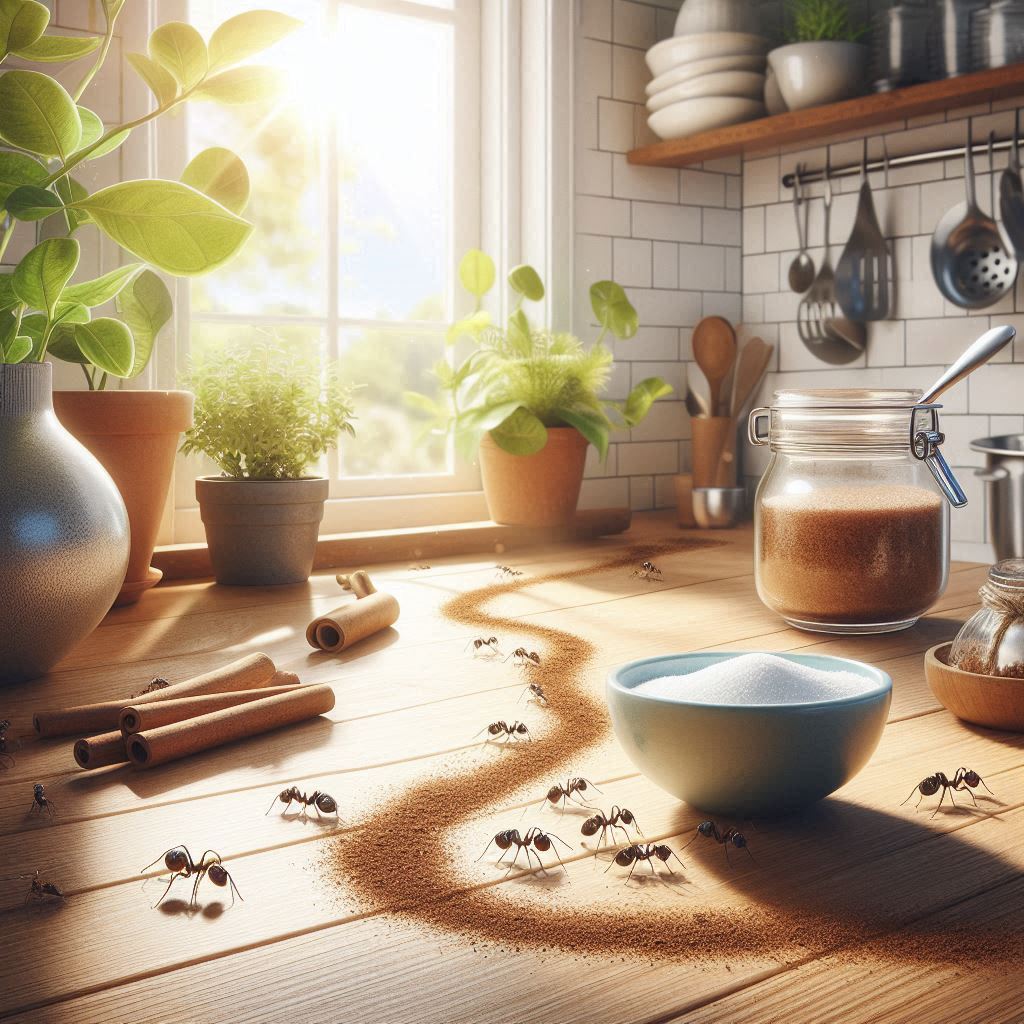
Why Ants Enter Homes
Ants don’t come inside randomly. They are attracted by very specific things:
- Food crumbs and sugar spills
- Open food containers
- Moisture and water leaks
- Warm indoor temperatures
- Cracks in walls, doors, and windows
Once one ant finds food, it leaves a scent trail. Other ants follow this trail, which is why ants often appear in long lines.
Why More People Are Choosing Natural Ant Killers
In recent years, homeowners have started avoiding chemical insecticides for several reasons:
- Health concerns for children and pets
- Strong chemical smells indoors
- Risk of food contamination
- Ants becoming resistant to sprays
- Environmental awareness
Natural ant killers offer safer and eco-friendly control, especially for small to medium infestations.
What Makes a Good Natural Ant Killer?
A natural ant killer should:
- Break ant scent trails
- Kill ants or drive them away
- Be safe for indoor use
- Be easy to prepare at home
- Prevent ants from returning
Most natural solutions work best when combined with cleanliness and prevention.
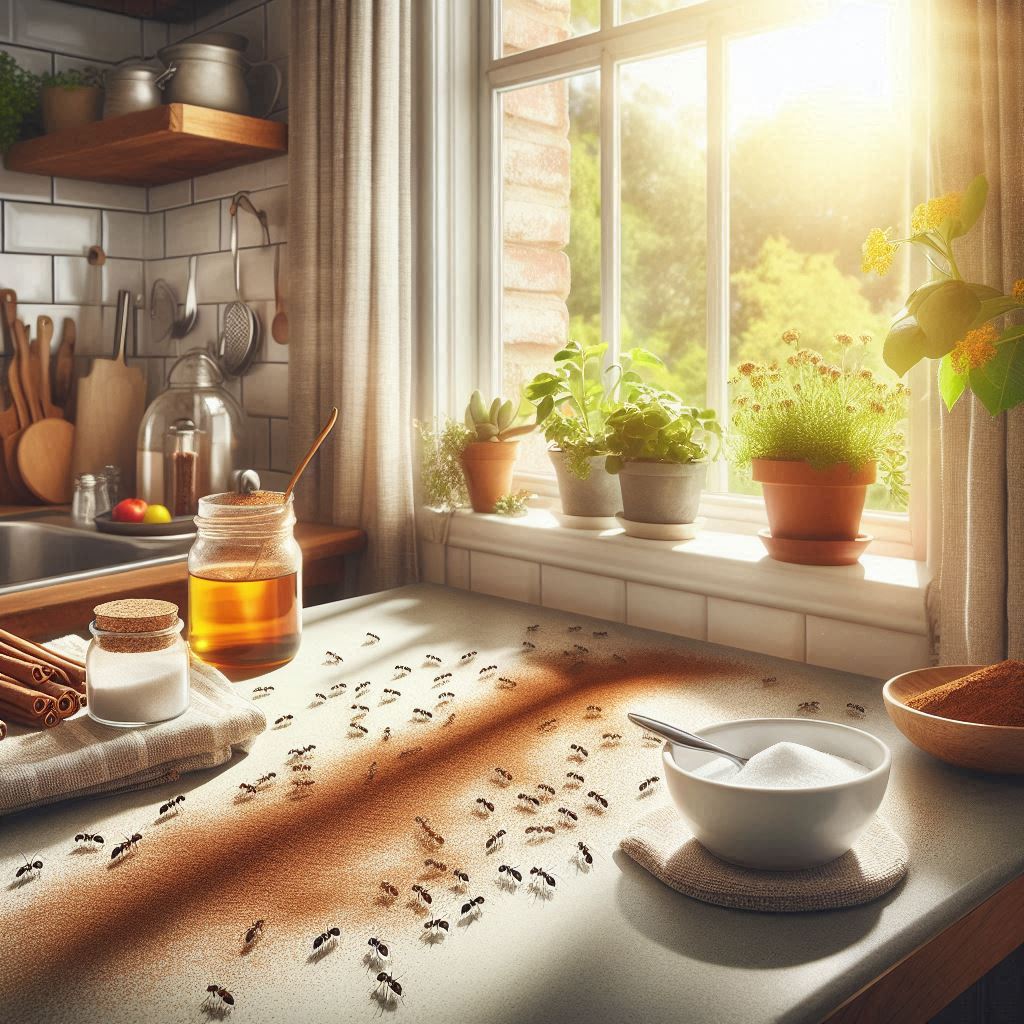
Best Natural Ant Killers You Can Make at Home
1. Vinegar (Most Popular Natural Solution)
Vinegar is one of the most effective natural ant killers and repellents.
How It Works
- Destroys ant scent trails
- Repels ants strongly
- Kills ants on contact
How to Use
- Mix equal parts white vinegar and water
- Spray on ant trails, floors, and entry points
- Wipe surfaces after spraying
Best for: Kitchens, floors, sinks, windows
Limitation: Does not kill the nest
2. Baking Soda and Sugar
This is a common home remedy that works like bait.
How It Works
- Sugar attracts ants
- Baking soda reacts inside their bodies and kills them
How to Use
- Mix baking soda and sugar in equal parts
- Place near ant trails and entry points
Best for: Light infestations
Caution: Keep away from children and pets
3. Lemon Juice
Lemon acts as a natural repellent and cleaner.
How It Works
- Acid disrupts scent trails
- Strong smell repels ants
How to Use
- Squeeze lemon juice near entry points
- Mix lemon juice with water for cleaning surfaces
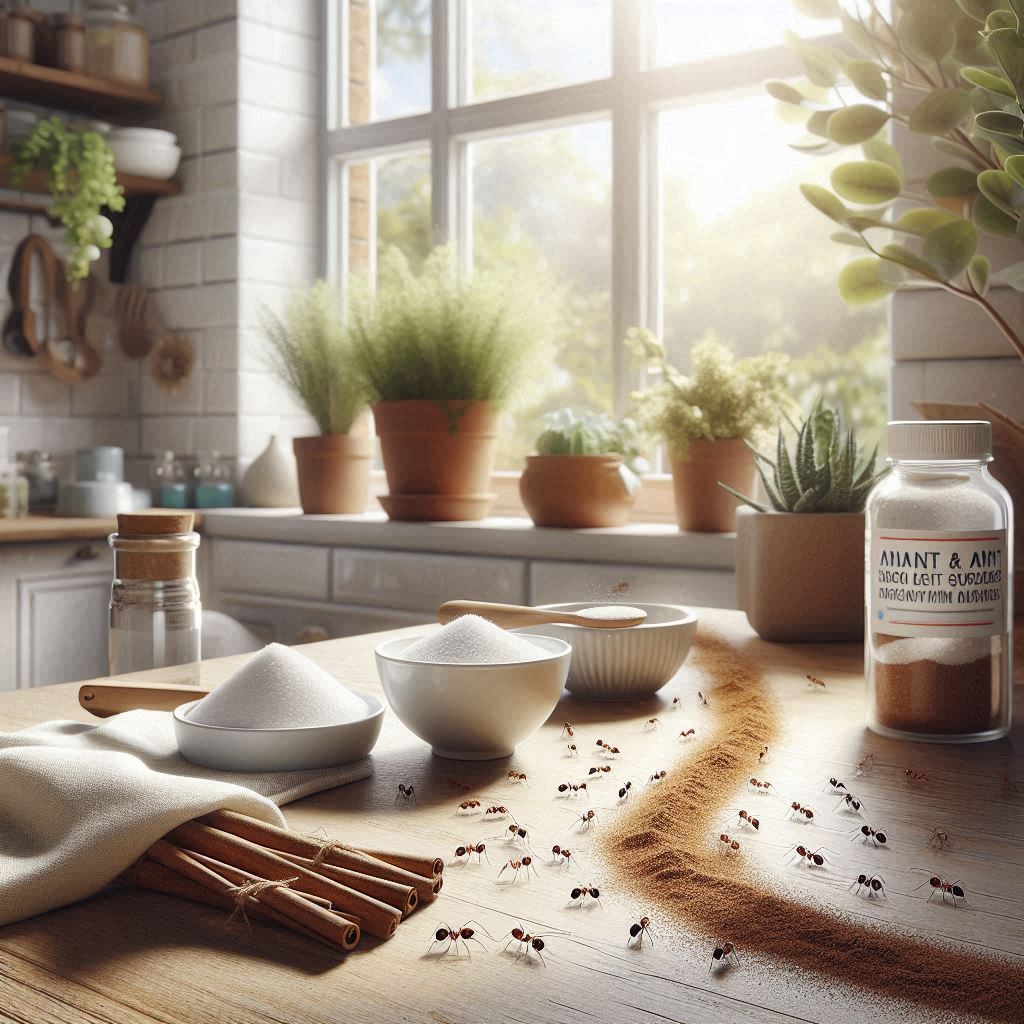
4. Diatomaceous Earth (Food Grade)
This is a natural powder made from fossilized algae.
How It Works
- Damages ants’ outer shell
- Causes dehydration and death
How to Use
- Sprinkle a thin layer near ant trails
- Use only food-grade diatomaceous earth
Best for: Cracks, corners, dry areas
Note: Works slowly but effectively
5. Borax and Sugar (Very Effective)
Borax is a natural mineral often used in laundry.
How It Works
- Sugar attracts ants
- Borax kills the colony over time
How to Use
- Mix 1 part borax with 3 parts sugar
- Add a little water to make a paste
- Place in bottle caps near trails
Warning: Keep away from kids and pets
Essential Oils as Natural Ant Repellents
Certain essential oils repel ants naturally.
Best Oils for Ant Control
- Peppermint oil
- Tea tree oil
- Eucalyptus oil
- Cinnamon oil
How to Use
- Mix 10–15 drops with water
- Spray around doors, windows, and cracks
This method works well for prevention.

New Ant Issues in Modern Homes
Ants in Electronics
Ants are increasingly found inside laptops, routers, and switches. Natural repellents like peppermint oil near entry points help without damaging devices.
Multiple Ant Species
Some ants prefer sugar, others prefer protein. Using different natural baits improves success.
Ants Ignoring Sprays
Many ants now avoid sprayed areas. Natural baits work better because ants carry them back to nests.
Step-by-Step Natural Ant Control Plan
Step 1: Clean Thoroughly
Remove food crumbs, spills, and grease from all surfaces.
Step 2: Identify Entry Points
Watch where ants enter from:
- Wall cracks
- Sink pipes
- Doors and windows
Step 3: Remove Scent Trails
Use vinegar or lemon solution to wipe trails.
Step 4: Apply Natural Baits
Use baking soda or borax mixtures near trails.
Step 5: Use Natural Repellents
Spray essential oils near entry points.
Step 6: Seal Entry Points
Seal cracks and gaps once ants disappear.
How Long Do Natural Ant Killers Take to Work?
| Method | Time to See Results |
|---|---|
| Vinegar | Immediate (temporary) |
| Baking Soda | 3–7 days |
| Borax Bait | 3–10 days |
| Diatomaceous Earth | 5–14 days |
| Essential Oils | Preventive |
Natural methods require patience and consistency.
Common Mistakes to Avoid
- Expecting instant results
- Not cleaning food sources
- Using only repellents without bait
- Mixing too many methods at once
- Ignoring moisture problems
Preventing Ants Naturally
Prevention is the best natural solution.
- Store food in airtight containers
- Clean kitchen surfaces daily
- Fix water leaks
- Take trash out regularly
- Seal cracks and gaps
- Keep floors crumb-free
When Natural Ant Killers Are Not Enoug
If ants:
- Keep returning
- Appear in large numbers
- Are nesting inside walls
You may need professional-grade bait, but natural methods should still be the first step.
A natural ant killer at home can be highly effective when used correctly. Vinegar, baking soda, borax, and essential oils help control ants safely without harmful chemicals. While natural solutions may take longer than sprays, they are safer, eco-friendly, and ideal for everyday homes.
With proper cleaning, patience, and consistent application, ants can be eliminated naturally and kept away for good.