
Insects inside the home are a common problem. Mosquitoes interrupt sleep, ants invade kitchens, flies spread germs, and cockroaches hide in dark corners. Many people rely on chemical sprays and coils, but these products often raise health concerns, especially in homes with children, pets, or elderly family members.
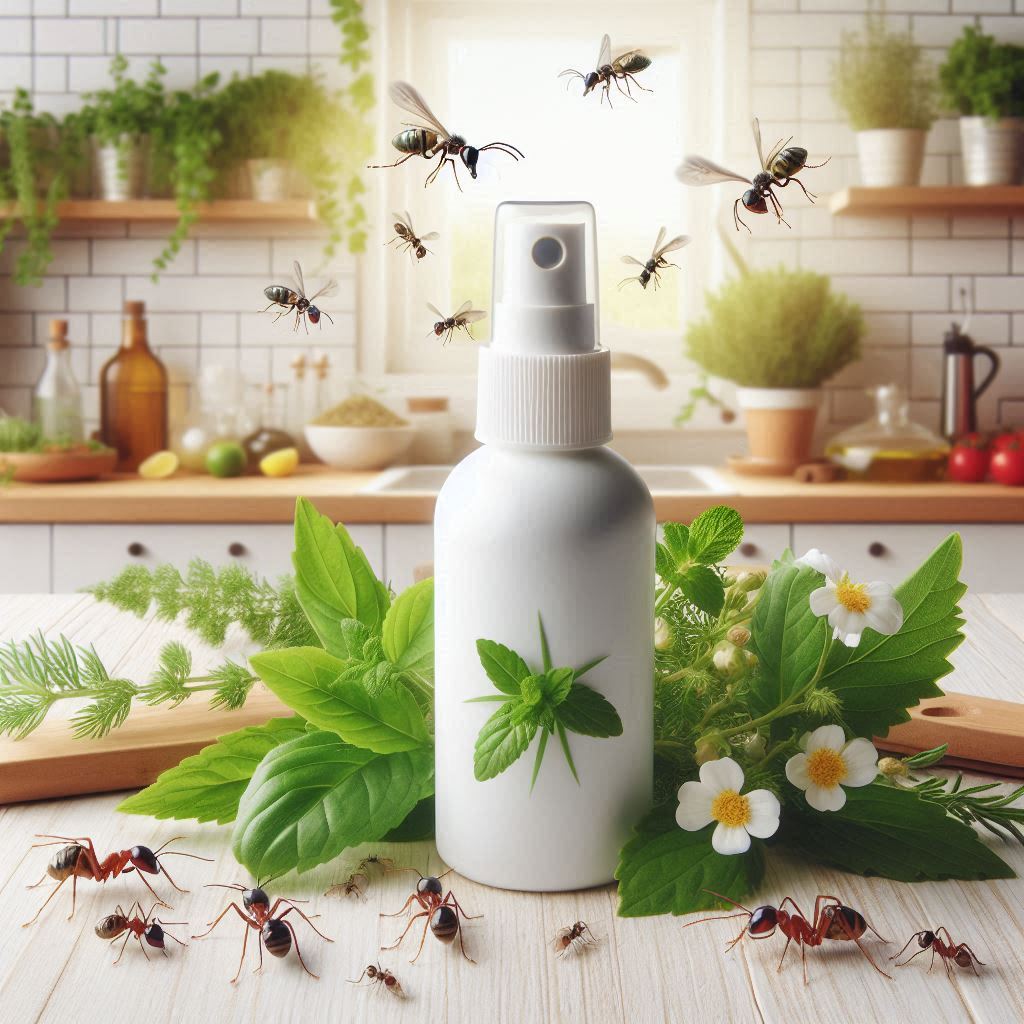
Because of this, more homeowners are now searching for natural insect killers for home—solutions that control insects without harmful chemicals. Natural methods may not always give instant results, but when used correctly, they can be effective, affordable, and much safer.
This article explains what natural insect killers are, how they work, common problems people face, and realistic solutions, all in easy-to-understand language.
What Is a Natural Insect Killer?
A natural insect killer uses plant-based, household, or non-toxic ingredients to repel or eliminate insects. Instead of poisoning insects instantly, these methods usually:
- Repel insects
- Disrupt their behavior
- Remove food and shelter sources
Natural insect killers are best for indoor use and long-term prevention.
Why Choose Natural Insect Killers for Home?
1. Safer for Health
Chemical sprays can irritate the lungs and skin. Natural solutions reduce this risk.
2. Pet and Child Friendly
Most natural insect killers are safe when used properly.
3. No Harmful Odors
Natural methods usually smell mild or pleasant.
4. Eco-Friendly
They do not pollute indoor air or harm the environment.
Common Types of Natural Insect Killers for Home
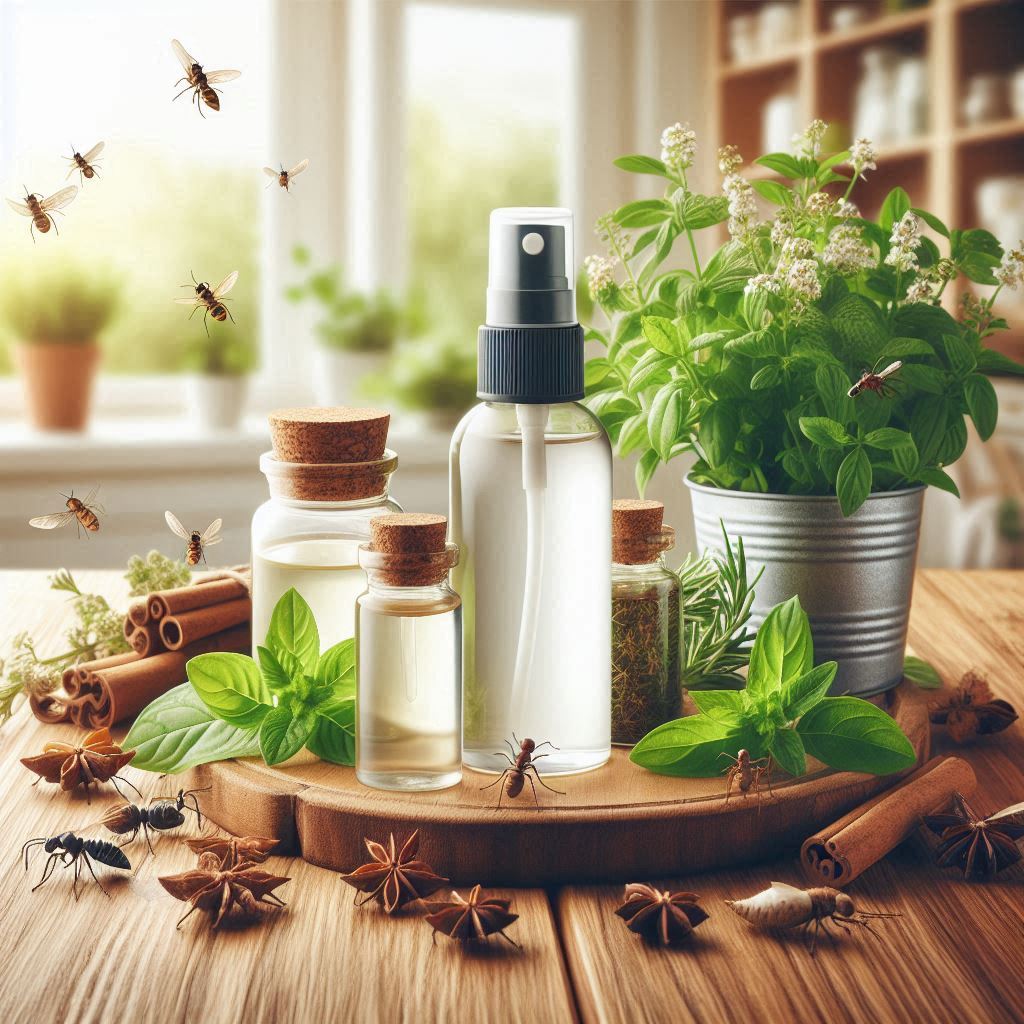
1. Essential Oils
Essential oils are one of the most popular natural insect repellents.
Effective oils include:
- Peppermint oil (ants, spiders)
- Lemon eucalyptus oil (mosquitoes)
- Tea tree oil (flies, cockroaches)
- Lavender oil (mosquitoes, moths)
How to use:
Mix a few drops with water and spray in corners, windows, and entry points.
2. Vinegar Solutions
Vinegar works well against ants and flies.
How it works:
It removes scent trails that ants use to navigate.
Usage:
Mix equal parts vinegar and water and spray on ant paths and surfaces.
3. Baking Soda and Sugar
This combination works against cockroaches.
How it works:
Sugar attracts insects, while baking soda disrupts their digestive system.
Placement:
Place small amounts in dark corners and cabinets.
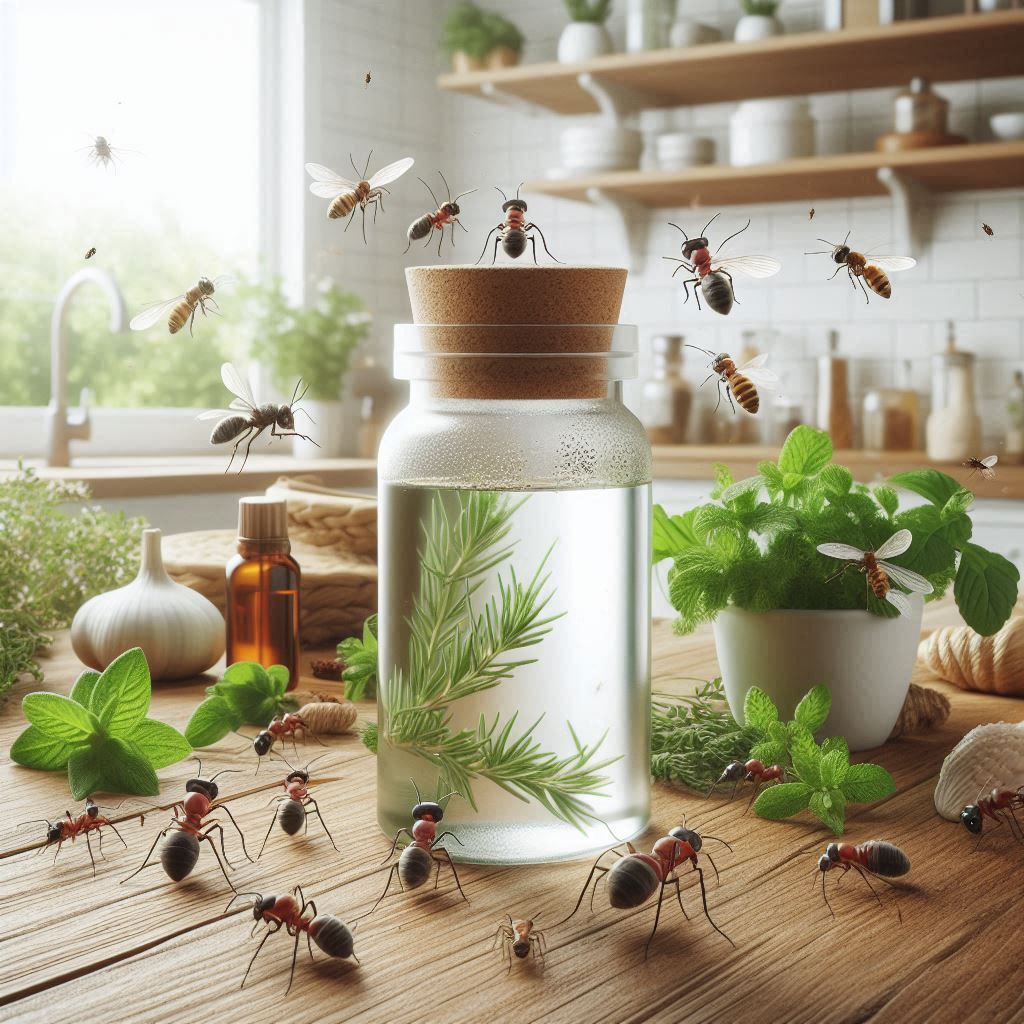
4. Diatomaceous Earth (Food Grade)
A natural powder made from fossilized algae.
How it works:
It damages the insect’s outer layer, causing dehydration.
Best for:
Ants, cockroaches, and crawling insects.
5. Neem Oil
Neem oil is widely used as a natural insect control solution.
Effective against:
Mosquitoes, flies, and garden insects.
Use:
Dilute with water and spray lightly in affected areas.
New Issues People Face with Natural Insect Killers (And Solutions)
Issue 1: “Natural Methods Work Too Slowly”
Reality:
Natural insect killers focus on long-term control, not instant killing.
Solution:
- Be consistent with application
- Combine multiple natural methods
- Remove food and water sources
Issue 2: Insects Keep Returning
Cause:
Attraction to food, moisture, or shelter.
Solution:
- Clean kitchens daily
- Seal cracks and gaps
- Store food in airtight containers
Issue 3: Strong Smell from Essential Oils
Cause:
High concentration of oils.
Solution:
- Use proper dilution
- Ventilate the room
- Switch to mild oils like lavender
Issue 4: Safety Concerns for Pets
Some oils can irritate pets.
Solution:
- Avoid direct contact
- Keep pets away during application
- Use pet-safe oils only
Issue 5: Doesn’t Work for Heavy Infestations
Natural methods may struggle with severe infestations.
Solution:
- Use natural methods as prevention
- Combine with professional treatment if needed
- Use physical traps alongside natural repellents
Natural Insect Killer vs Chemical Products
| Feature | Natural Methods | Chemical Products |
|---|---|---|
| Toxic chemicals | No | Yes |
| Indoor air quality | Clean | Polluted |
| Safety for kids | Higher | Lower |
| Speed | Slow to moderate | Fast |
| Long-term use | Safe | Risky |
Best Places to Use Natural Insect Killers at Home
- Kitchens
- Bedrooms
- Living rooms
- Cabinets and storage areas
- Entry points (doors and windows)
Best Practices for Using Natural Insect Killers
- Maintain cleanliness
- Apply solutions regularly
- Seal entry points
- Avoid over-concentration
- Be patient and consistent
Who Should Use Natural Insect Killers?
Natural insect killers are ideal for:
- Homes with babies and pets
- People with allergies
- Apartments and closed spaces
- Those avoiding chemicals
- Long-term prevention seekers
Final Verdict: Are Natural Insect Killers Effective?
Natural insect killers are safe, eco-friendly, and effective when used correctly. They may not provide instant results like chemical sprays, but they offer long-term protection without health risks.
For best results, natural methods should be part of a clean, well-maintained home environment.
Natural insect killers provide a safer alternative to chemical insecticides. With the right ingredients, correct application, and consistent use, you can keep your home insect-free without compromising health.
If you value safety, sustainability, and long-term comfort, natural insect killers are a smart choice.