

Keeping insects out of your home is important, but it becomes critical when you share your space with pets. Dogs, cats, birds, and even small animals like rabbits are far more sensitive to chemicals than humans. Many common insect killers contain ingredients that can irritate skin, upset stomachs, or cause serious health problems in pets. That is why homeowners are now searching for non‑toxic insect killers that actually work without putting animals at risk.
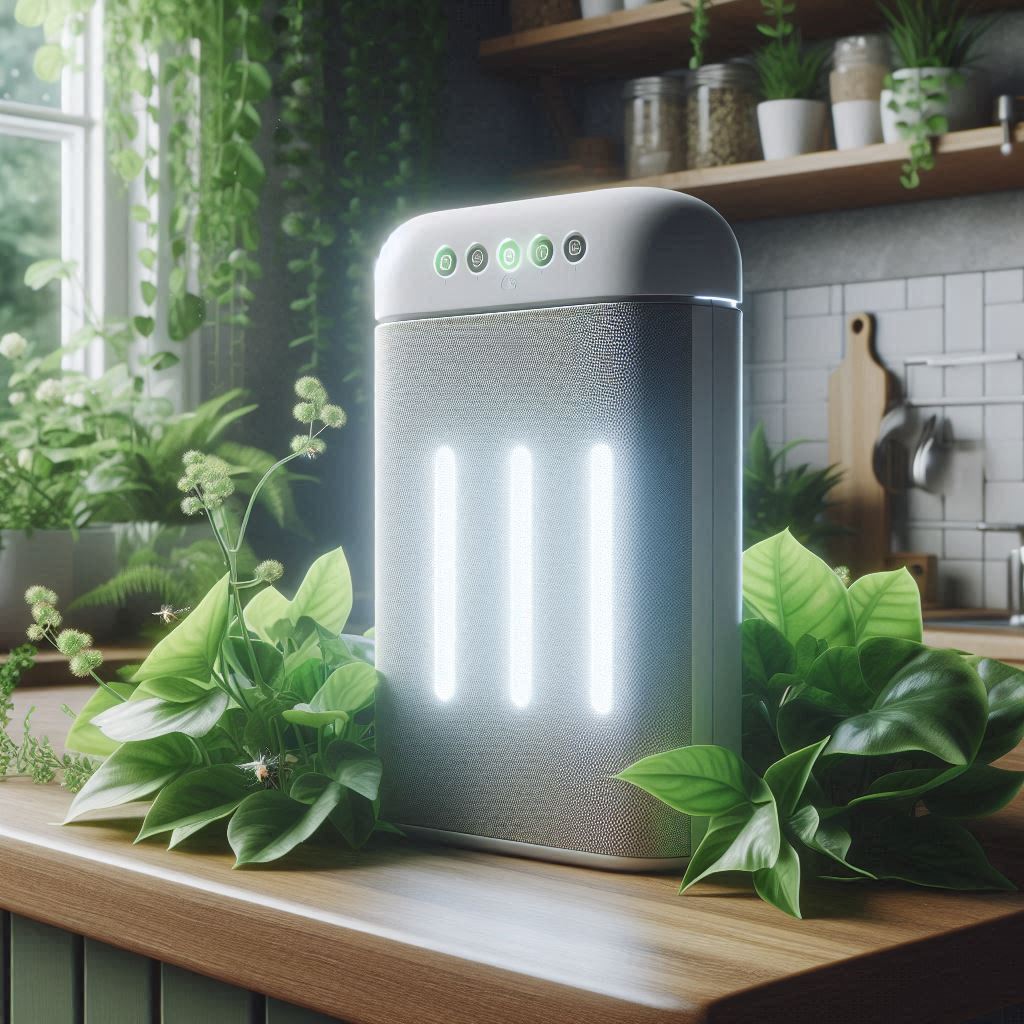
This guide explains what a non‑toxic insect killer for pets really means, how these solutions work, which insects they target, and how to use them safely and effectively at home. The language is simple, practical, and based on real household problems pet owners face today.
Why Chemical Insect Killers Are Risky for Pets
Traditional insect sprays and powders often rely on strong chemicals designed to kill quickly. While effective against insects, these substances do not disappear once sprayed. Pets can inhale them, lick treated surfaces, or absorb them through their paws.
Common issues caused by chemical insect killers include:
- Skin irritation and itching after contact
- Vomiting or diarrhea if licked or ingested
- Breathing discomfort from strong fumes
- Long‑term health concerns with repeated exposure
Pets spend more time close to the floor, where insect killers are usually applied. This increases the risk even more, especially for cats and small dogs.
What Makes an Insect Killer Truly Non‑Toxic
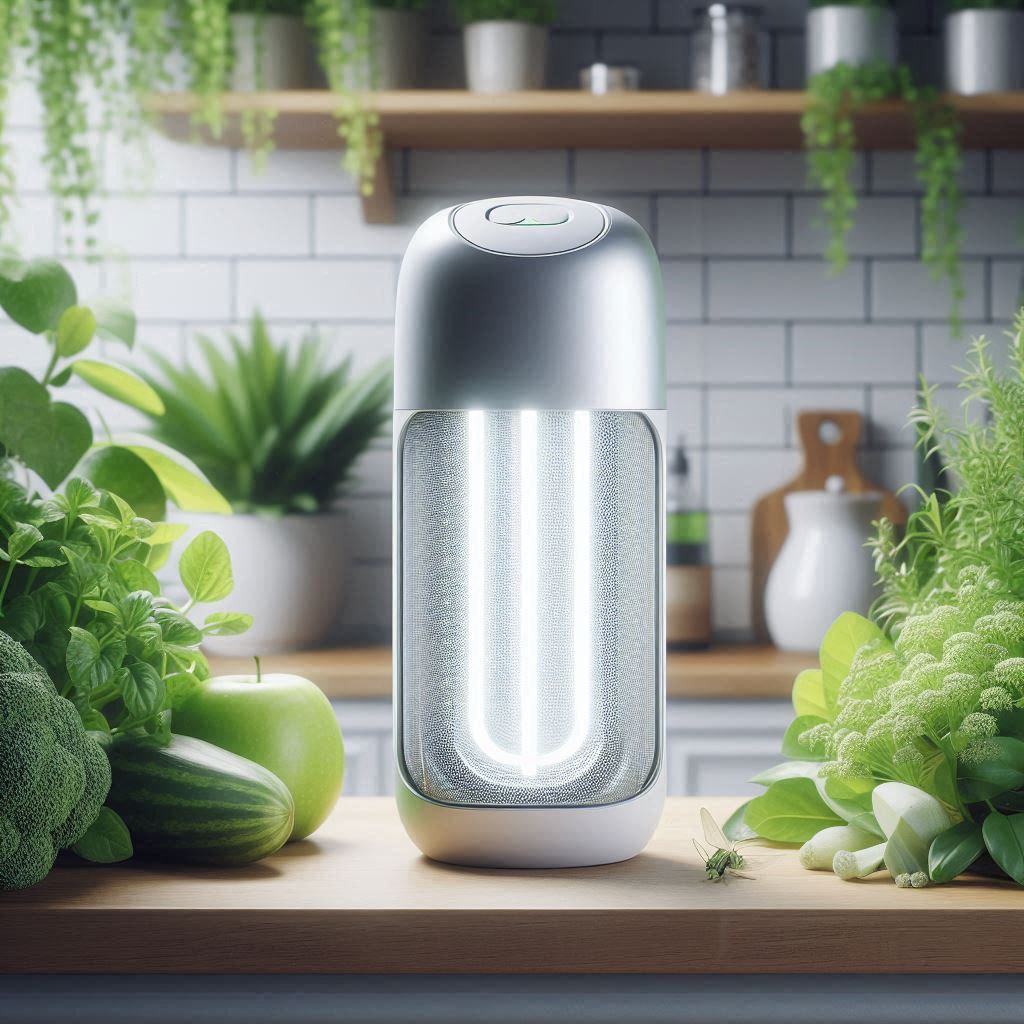
A non‑toxic insect killer for pets does not rely on harsh synthetic chemicals. Instead, it uses ingredients that are considered low‑risk for animals when used correctly. These products focus on repelling insects, disrupting their behavior, or drying them out rather than poisoning them.
Key features of a pet‑safe insect killer include:
- No synthetic pesticides or nerve toxins
- Mild or no odor
- Plant‑based or mineral‑based ingredients
- Safe for indoor use with proper ventilation
- Clear pet safety instructions on the label
Non‑toxic does not mean careless use. Even natural products should be applied correctly and kept out of direct contact with pets until surfaces are dry.
Common Insects Pet Owners Want to Control
A good non‑toxic insect killer should handle everyday household pests without creating new risks. The most common problems include:
Mosquitoes
Mosquito bites irritate pets and can transmit diseases. Pet‑safe solutions usually focus on repelling mosquitoes rather than killing them with chemicals.
Ants
Ants invade kitchens and pet feeding areas. Natural ant killers break scent trails and block entry points.
Flies
Flies spread bacteria and annoy pets. Non‑toxic fly control often uses traps, essential oil sprays, or light‑based devices.
Cockroaches
Roaches hide in dark areas where pets also rest. Pet‑safe methods target hiding spots using gels, powders, or natural deterrents.
Types of Non‑Toxic Insect Killers Safe for Pets
There is no single solution for every insect problem. The best approach often combines more than one pet‑safe method.
1. Plant‑Based Sprays
These sprays use essential oils such as peppermint, citronella, eucalyptus, or lemongrass. They repel insects by affecting their sense of smell.
Best for: Mosquitoes, ants, flies
Why they work: Insects rely heavily on scent to navigate. Strong natural oils confuse and repel them.
Pet safety tip: Allow sprayed areas to dry fully before letting pets return.
2. Diatomaceous Earth (Food Grade)
This natural powder damages the outer layer of insects, causing them to dry out. It is non‑toxic to pets when food‑grade quality is used.
Best for: Ants, cockroaches, crawling insects
Why it works: Insects cannot develop resistance to physical damage.
Pet safety tip: Apply lightly in cracks and corners, not open pet areas.
3. Natural Insect Traps
Sticky traps or bait traps designed without poison can reduce insect populations without spreading
chemicals.
Best for: Flies, ants, roaches
Why they work: They capture insects without releasing toxins into the air.
Pet safety tip: Place traps where pets cannot reach them.
4. Essential Oil Diffusers (Used Carefully)
Some essential oils repel insects when diffused in low concentrations.
Best for: Mosquitoes and flies
Important note: Not all essential oils are safe for pets, especially cats. Always use pet‑specific blends and proper ventilation.
5. Physical Barriers and Preventio
Sometimes the safest insect control method is prevention.
Examples include:
- Sealing cracks and gaps
- Installing window screens
- Keeping pet food sealed
- Cleaning spills quickly
These steps reduce insects without using any product at all.
New Issues Pet Owners Face Today (And Their Solutions)
Issue 1: Pets Licking Treated Floors
Solution: Use fast‑drying sprays or powders applied only in hidden areas. Clean open surfaces with pet‑safe cleaners instead.
Issue 2: Strong Smell Causing Pet Stress
Solution: Choose odor‑free or mild herbal products. Avoid heavy essential oil concentration.
Issue 3: Repeated Insect Return
Solution: Combine insect killers with prevention steps. Non‑toxic products work best when insects cannot easily return.
Issue 4: Mixed Households with Cats and Dogs
Solution: Select products clearly labeled safe for both cats and dogs, as cats are more sensitive to certain natural oils.
How to Use Non‑Toxic Insect Killers Correctly
Even the safest product can cause problems if used incorrectly. Follow these simple rules:
- Always read the label carefully
- Test a small area first
- Keep pets away during application
- Ventilate rooms after spraying
- Store products out of pet reach
Consistency matters. Non‑toxic solutions may take a little longer but provide safer long‑term control.
Are Non‑Toxic Insect Killers Really Effective
Yes, when expectations are realistic. Non‑toxic insect killers focus on control, prevention, and gradual reduction rather than instant elimination. Over time, they reduce insect activity while keeping your home safe for pets.
Many pet owners find these methods more sustainable because they avoid health risks, strong odors, and repeated chemical exposure.
A non‑toxic insect killer for pets is not just a trend; it is a smarter way to protect both your home and your animals. By choosing plant‑based sprays, food‑grade powders, safe traps, and preventive measures, you can control insects without exposing pets to unnecessary danger.
The key is balance. Safe products, correct usage, and clean living habits together create an environment where insects struggle to survive and pets remain healthy and comfortable.
When pets are part of your family, safety should always come first.