
Insects are a persistent problem in homes, gardens, and outdoor spaces. Mosquitoes, flies, and other pests not only cause irritation but also carry diseases. Traditionally, people have used chemical sprays, coils, and electric bug zappers. However, these methods can harm the environment, pose health risks, or require constant maintenance.

The solar insect killer lamp offers a modern solution—eco-friendly, cost-effective, and safe. By combining solar energy with smart insect control technology, it provides long-lasting protection without chemicals. This article explains what solar insect killer lamps are, how they work, their benefits, common challenges, and practical solutions.
What Is a Solar Insect Killer Lamp?
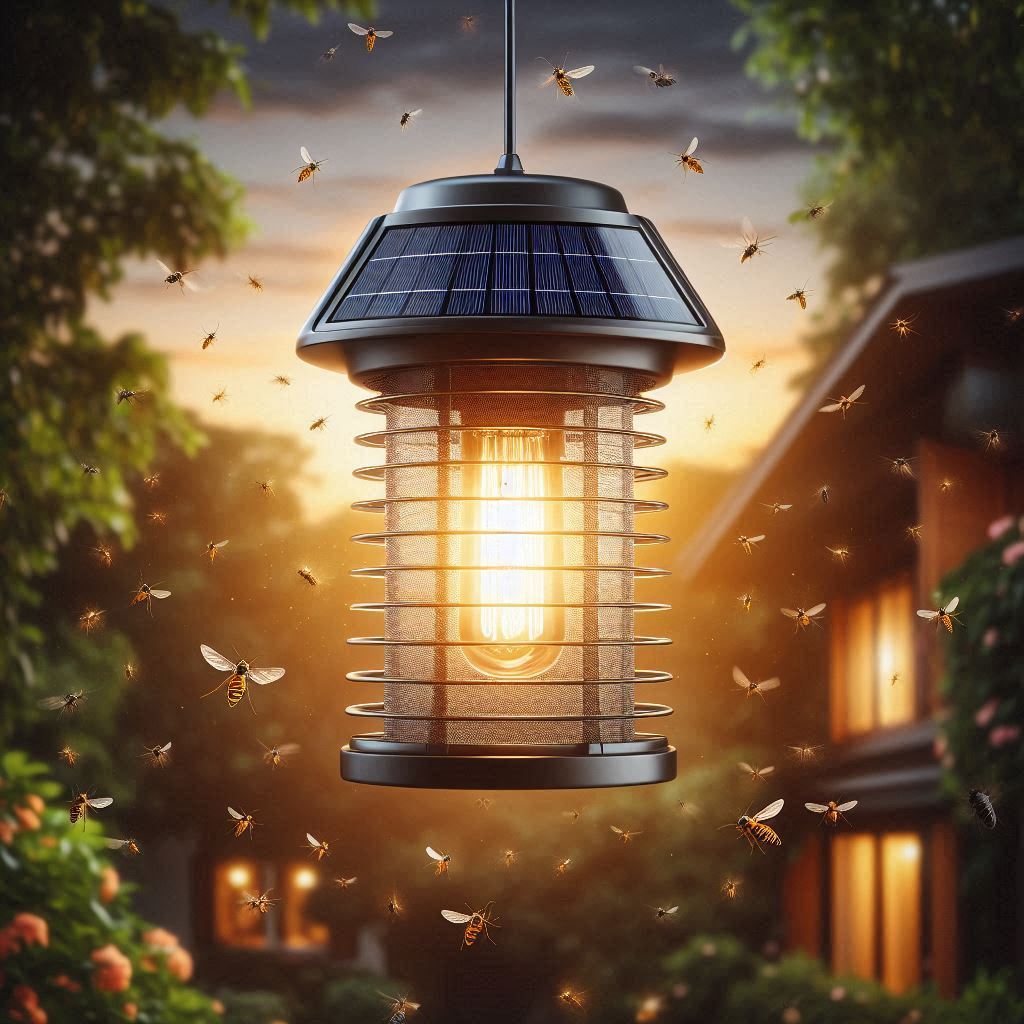
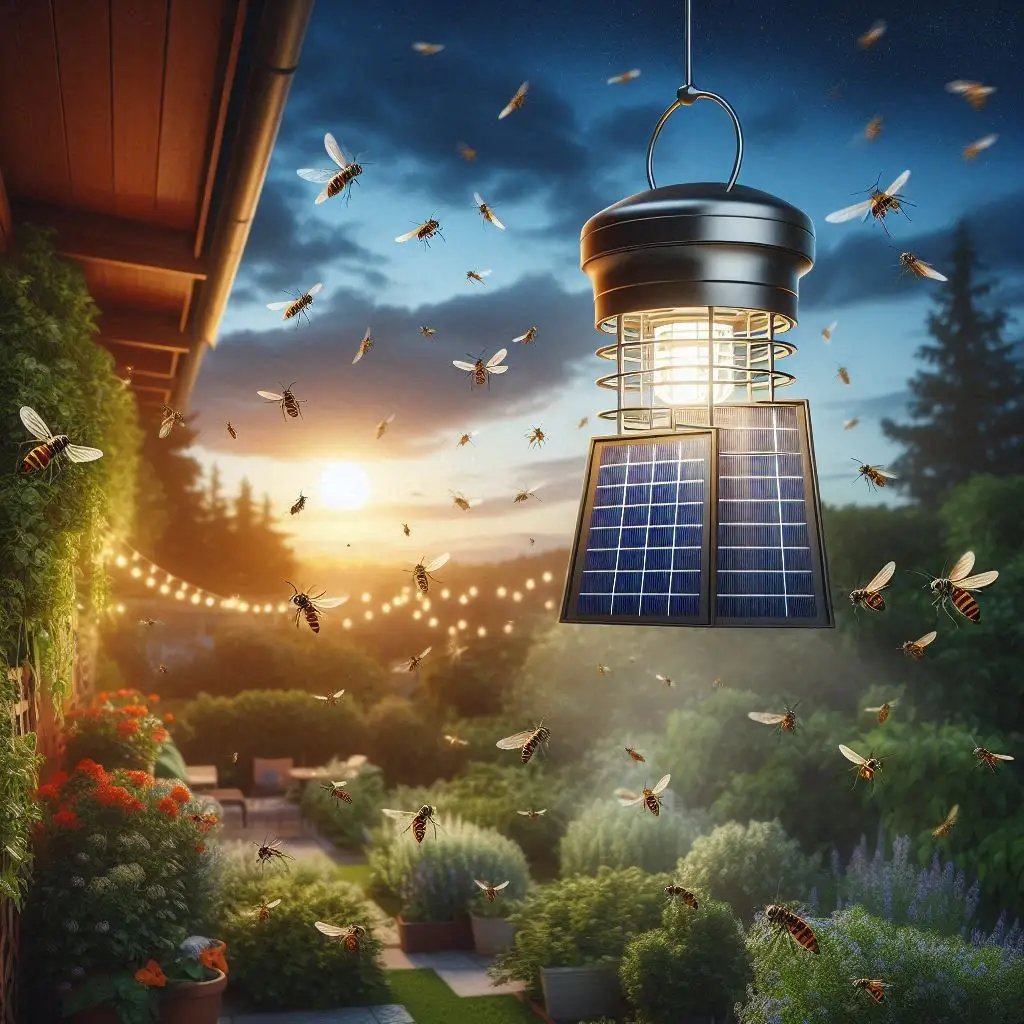
A solar insect killer lamp is an electronic device that uses solar power to attract and eliminate insects. These lamps are equipped with:
- Solar panels that charge the battery during the day
- UV or LED light that attracts insects at night
- Electric grids, suction systems, or sticky surfaces to kill or trap insects
Because they are powered by sunlight, they do not require constant electricity, making them environmentally friendly and economical.
Why Traditional Insect Control Methods Fall Short
Before solar lamps, people relied mainly on:
- Chemical sprays
- Mosquito coils
- Electric bug zappers connected to mains power
While these work temporarily, they have several drawbacks:
Health Risks
Chemical sprays release toxic fumes that can irritate eyes, skin, or lungs. Long-term exposure is especially harmful to children and pets.
High Energy Costs
Traditional electric zappers consume electricity 24/7 if used for long periods, increasing energy bills.
Frequent Maintenance
Coils and sprays need constant replacement, making them inconvenient for regular use.
Environmental Impact
Chemicals and continuous electricity use contribute to pollution and carbon footprint.
How a Solar Insect Killer Lamp Works
Solar insect killer lamps combine solar energy, insect behavior, and technology to provide effective pest control.
1. Solar Charging
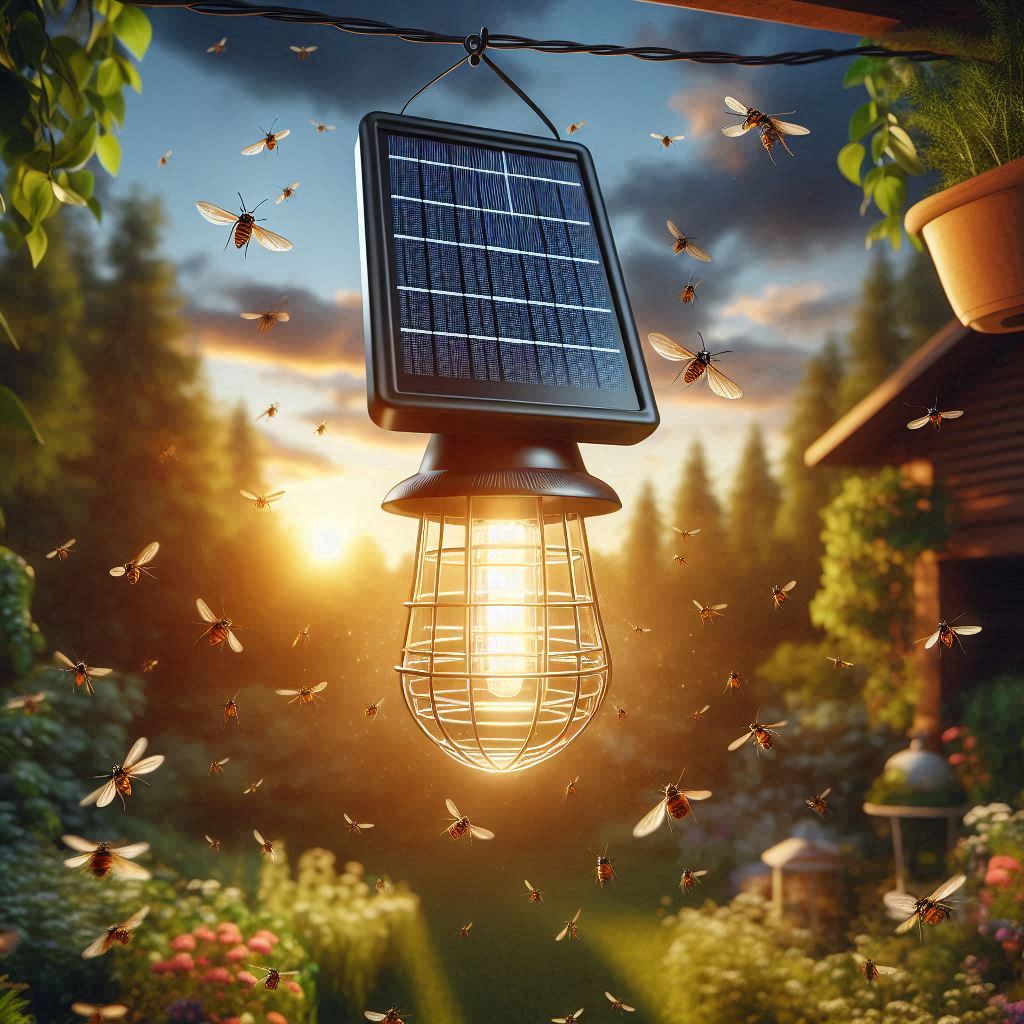
During the day, solar panels collect sunlight and charge the internal battery, making the lamp energy-independent.
2. Insect Attraction
UV or LED light attracts mosquitoes, flies, moths, and other flying insects. Some models use multiple wavelengths for maximum efficiency.
3. Insect Elimination
Once insects approach, they are either:
- Killed instantly via an electric grid
- Trapped with a suction fan
- Caught on sticky surfaces
4. Automatic Operation
Most solar lamps have light sensors to turn on automatically at dusk and off at dawn.
Types of Solar Insect Killer Lamps
1. UV Electric Solar Lamps
Use UV light and electric grids to kill insects on contact. Suitable for gardens and patios.
2. Solar Fan-Trap Lamps
Use light to attract insects and a fan to pull them into a container. Silent and safe for homes with children and pets.
3. Portable Solar Insect Lamps
Battery-operated, lightweight lamps for camping, outdoor events, or balconies.
4. Large Outdoor Solar Insect Lamps
Weather-resistant, high-capacity lamps suitable for farms, restaurants, or large outdoor spaces.
New Challenges People Face With Solar Insect Killer Lamps (And Solutions)
Even modern solar lamps have some issues. Let’s discuss them along with practical solutions.
Issue 1: “Not Enough Power on Cloudy Days”
Problem: Solar panels may not charge fully during overcast weather or in winter.
Solution:
Look for lamps with high-capacity batteries and dual charging options (solar + USB/AC) to ensure consistent performance.
Issue 2: “Coverage Area Is Limited”
Problem: One lamp may not cover a large garden or patio.
Solution:
Install multiple lamps strategically around the area or choose lamps with a larger attraction radius.
Issue 3: “Kills Only Flying Insects”
Problem: Crawling pests like ants or cockroaches are not affected.
Solution:
Combine the lamp with resistance-free or chemical-free sprays for full-spectrum pest control.
Issue 4: “Cleaning and Maintenance”
Problem: Dead insects can accumulate on grids or traps, reducing effectiveness.
Solution:
Choose lamps with removable collection trays and easy-clean grids. Clean weekly for optimal results.
Issue 5: “Initial Cost Is Higher”
Problem: Solar lamps are more expensive than a pack of coils or a basic electric zapper.
Solution:
Consider long-term savings: no electricity bills, fewer replacements, eco-friendly operation, and safer use around family and pets.
Benefits of Using a Solar Insect Killer Lamp
1. Eco-Friendly Operation
Powered by sunlight, reducing electricity use and carbon footprint.
2. Chemical-Free Pest Control
No toxic fumes, making it safe for children, pets, and food areas.
3. Cost-Effective
No recurring costs for electricity or consumables.
4. Continuous Protection
Automatically works at night, providing uninterrupted insect control.
5. Safe and Silent
Fan-based or enclosed grid systems minimize noise and prevent accidental contact.
How to Use Solar Insect Killer Lamps Effectively
- Place the lamp away from competing light sources
- Position near insect-prone areas like doors, patios, or gardens
- Ensure the solar panel gets maximum sunlight during the day
- Clean the device regularly for optimal efficiency
- Use multiple units for larger areas
Proper placement and maintenance maximize effectiveness.
Indoor vs Outdoor Use
Indoor
- Kitchens, bedrooms, and living rooms
- Silent lamps with fan-traps are ideal
- Safe for family and pets
Outdoor
- Gardens, balconies, patios
- Larger lamps with higher UV intensity cover more area
- Weatherproof and durable designs
How to Choose the Best Solar Insect Killer Lamp
Look for these features:
- Adequate coverage area for your space
- High-capacity battery and solar efficiency
- Safety features for children and pets
- Easy-to-clean design
- Weatherproof housing for outdoor use
- Good reviews from users
Avoid very cheap lamps with small solar panels and fragile build quality.
Future of Solar Insect Killer Technology
Solar insect killer lamps are evolving with technology:
- AI detection of insect activity for energy-efficient operation
- Smart home integration for automated control
- Improved multi-wavelength UV lights for better attraction
- Solar + battery hybrid systems for cloudy weather
These innovations will make insect control more sustainable, intelligent, and user-friendly.
A solar insect killer lamp is an eco-friendly, cost-effective, and safe solution for modern pest control. By harnessing solar power and technology, it eliminates the need for chemicals, reduces energy costs, and provides continuous protection for homes and outdoor spaces.
For those seeking long-term, sustainable pest control, solar insect killer lamps are a smart investment that protects your family, pets, and the environment.