

Ultrasonic mosquito killers have become very popular in recent years. They are advertised as chemical-free, silent, and safe mosquito control devices. Many people buy them hoping for an easy solution to mosquito problems, especially for bedrooms, baby rooms, and homes with pets.
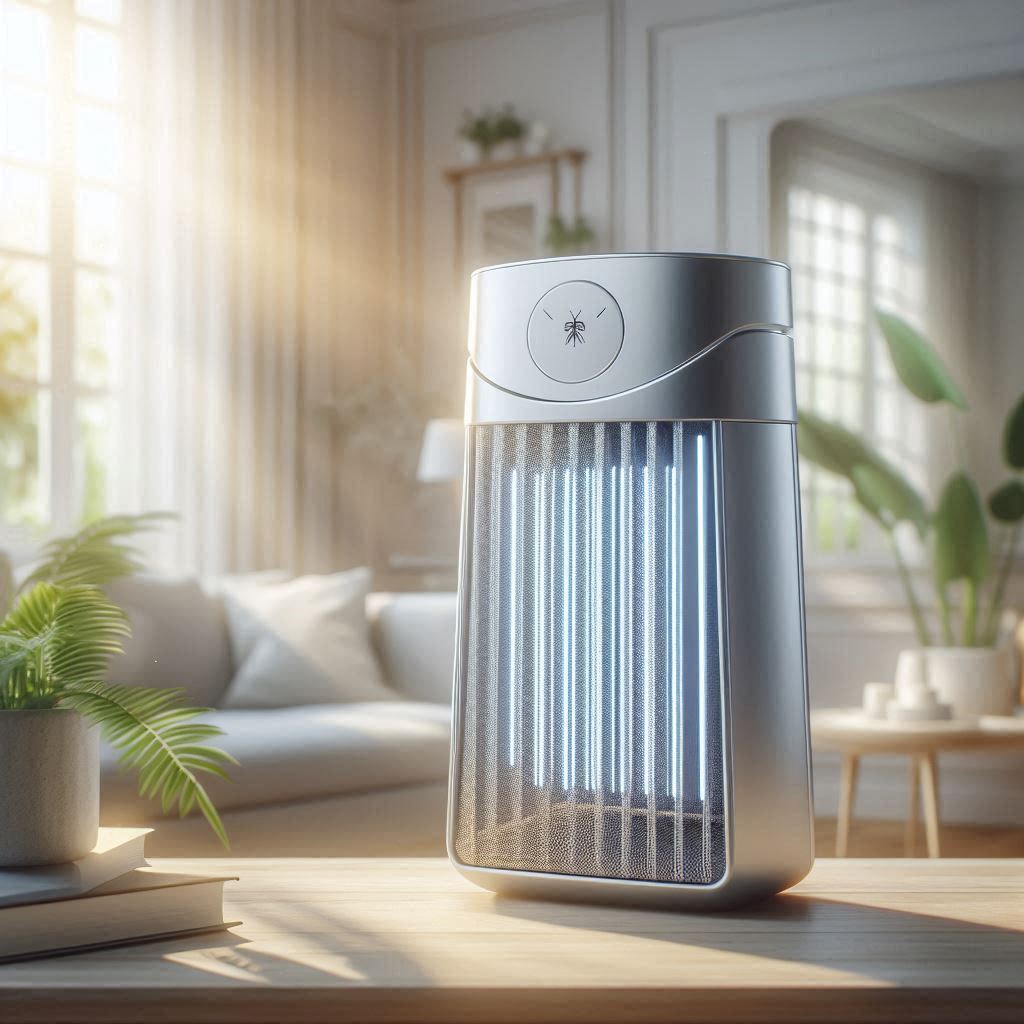
But the big question remains: Does an ultrasonic mosquito killer really work, or is it just marketing hype?
This article gives a clear, honest, and practical explanation based on how these devices work, where they help, where they fail, and how to use them correctly—without confusing technical language.
What Is an Ultrasonic Mosquito Killer?
An ultrasonic mosquito killer (often called an ultrasonic repeller) is an electronic device that emits high-frequency sound waves. These sounds are usually not audible to humans but are meant to disturb mosquitoes and keep them away.
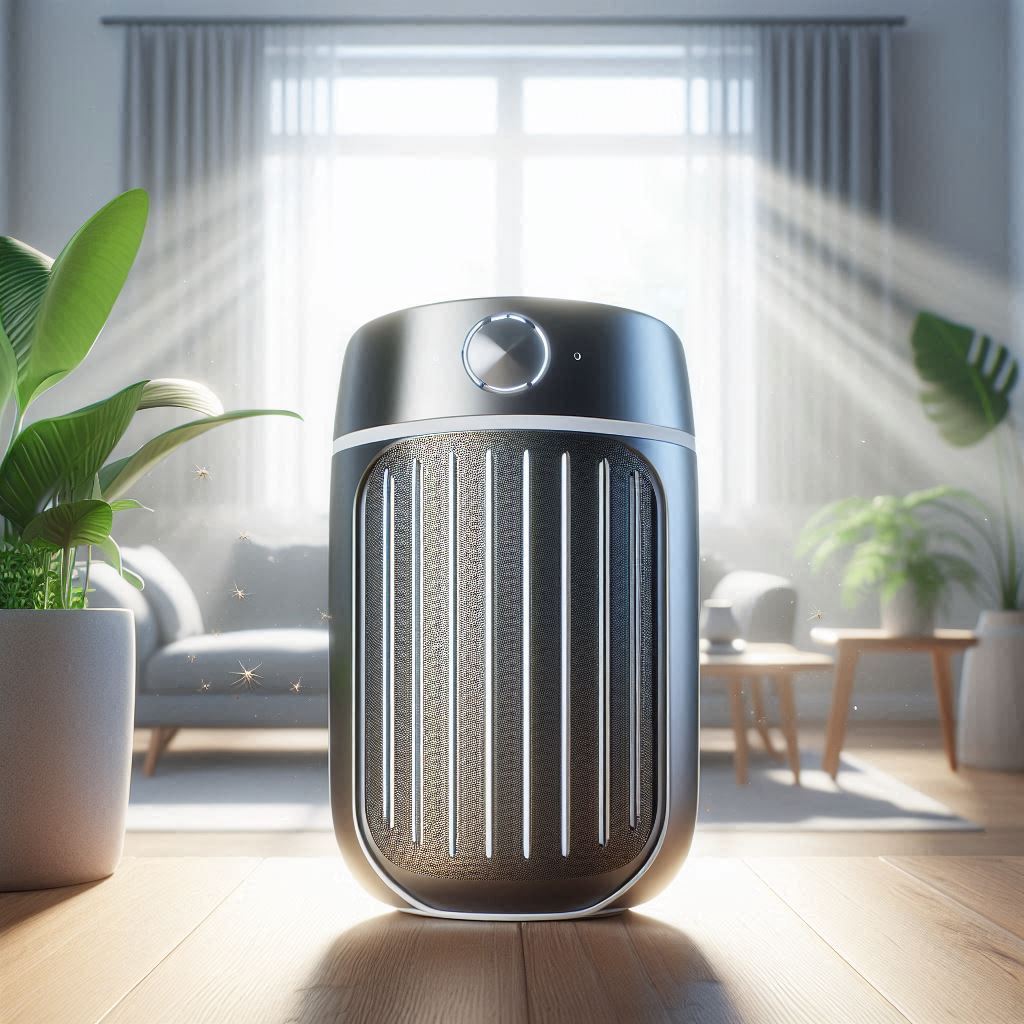
Important point:
Most ultrasonic devices do not kill mosquitoes.
They are designed to repel, not eliminate.
How Ultrasonic Mosquito Killers Claim to Work
Manufacturers claim ultrasonic devices work in the following ways:
- Emit ultrasonic waves that irritate mosquitoes
- Mimic sounds of mosquito predators
- Interfere with mosquito navigation
- Create an uncomfortable environment for insects
In theory, mosquitoes should avoid the area where the sound is present.
Do Ultrasonic Mosquito Killers Really Work?
The Short Answer
They work partially, but not reliably on their own.
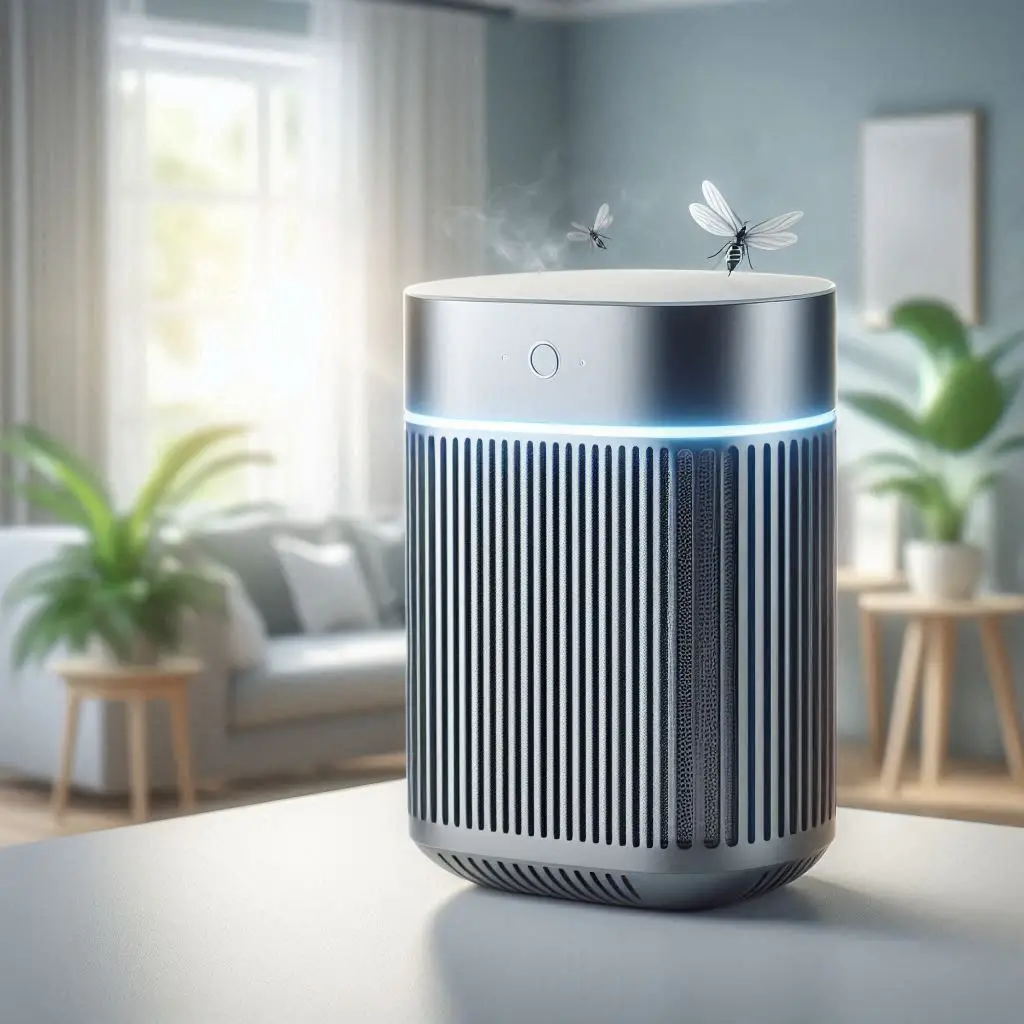
Ultrasonic mosquito killers may reduce mosquito activity slightly, but they are not strong enough to control or eliminate mosquitoes completely.
Why Results Are Mixed
Some users report fewer mosquitoes, while others see no difference at all. This happens because:
- Mosquito species respond differently
- Sound waves do not pass through walls or furniture
- Mosquitoes can adapt to constant sound
- Room size and layout affect performance
New Mosquito Issues That Affect Ultrasonic Devices
Modern mosquito problems make ultrasonic devices less reliable.
1. Daytime-Biting Mosquitoes (Dengue Mosquitoes)
Dengue mosquitoes (Aedes aegypti) are aggressive and less sensitive to ultrasonic sound.
Result:
Ultrasonic devices alone are often ineffective for dengue prevention.
2. Indoor Breeding Mosquitoes
Mosquitoes breeding inside bathrooms, AC trays, and plant pots are already adapted to indoor environments.
Result:
They may ignore ultrasonic sound completely.
3. High Mosquito Density
In heavily infested areas, mosquitoes prioritize blood meals over discomfort.
Result:
Ultrasonic sound becomes meaningless to them.
Advantages of Ultrasonic Mosquito Killers
Despite limitations, ultrasonic devices do have some benefits.
1. Chemical-Free
No smoke, no fumes, no toxic exposure.
2. Safe for Babies and Pets
Ideal as a support device in baby rooms and pet homes.
3. Silent Operation
No noise, no smell, no disturbance during sleep.
4. Low Power Consumption
Can be plugged in 24/7 with minimal electricity use.
Limitations of Ultrasonic Mosquito Killers
This is where expectations must be realistic.
They Do Not Kill Mosquitoes
They only attempt to repel.
Limited Coverage
Sound waves work best in one small room.
Not Effective Alone
They fail in moderate to heavy mosquito infestations.
Furniture Blocks Sound
Curtains, beds, and walls reduce effectiveness.
Ultrasonic Mosquito Killer vs Other Methods
Compared to Mosquito Killer Lamps
- Ultrasonic: Repels (weak effect)
- Lamp: Kills mosquitoes physically
Compared to Repellents
- Ultrasonic: Safer, weaker
- Repellents: Stronger, chemical exposure
Compared to Nets
- Ultrasonic: Passive support
- Nets: Guaranteed physical protection
When Ultrasonic Mosquito Killers Can Help
Ultrasonic devices work best only in specific situations.
Suitable Situations
- Low mosquito presence
- As a secondary protection layer
- In baby rooms with nets
- In clean, well-maintained homes
Think of ultrasonic devices as extra support, not the main solution.
When Ultrasonic Mosquito Killers Do NOT Work Well
Avoid relying only on ultrasonic devices if:
- You live in a dengue-prone area
- Mosquitoes bite during daytime
- There is indoor mosquito breeding
- You already see many mosquitoes
In these cases, stronger control is required.
How to Use Ultrasonic Mosquito Killers Correctly
Placement Tips
- One device per room
- Plug directly into wall socket
- Avoid placing behind furniture
- Use in enclosed rooms
Usage Tips
- Keep it on continuously
- Do not expect instant results
- Combine with other methods
Best Combination for Real Mosquito Control
For practical results, ultrasonic devices should be combined with:
✔ Electric mosquito killer lamp
✔ Mosquito nets
✔ Window and door mesh
✔ Weekly cleaning to remove breeding sites
This combination offers safe + effective protection.
Myths About Ultrasonic Mosquito Killers
Myth 1: They Kill Mosquitoes
False – they only repel.
Myth 2: One Device Covers the Whole House
False – one room only.
Myth 3: They Work Instantly
False – effect is gradual and limited.
Are Ultrasonic Mosquito Killers Worth Buying?
Honest Verdict
Ultrasonic mosquito killers are not useless, but they are not powerful enough alone.
They are worth buying only if:
- You understand their limitations
- You use them as a support tool
- You combine them with proper mosquito control
So, does an ultrasonic mosquito killer really work?
Yes — but only partially
No — if used as the only solution
Ultrasonic mosquito killers can reduce mosquito activity slightly in low-infestation environments, but they cannot replace mosquito killers, nets, or proper prevention.
For real protection—especially against dengue and indoor mosquitoes—use ultrasonic devices as part of a complete mosquito control strategy, not as a miracle solution.